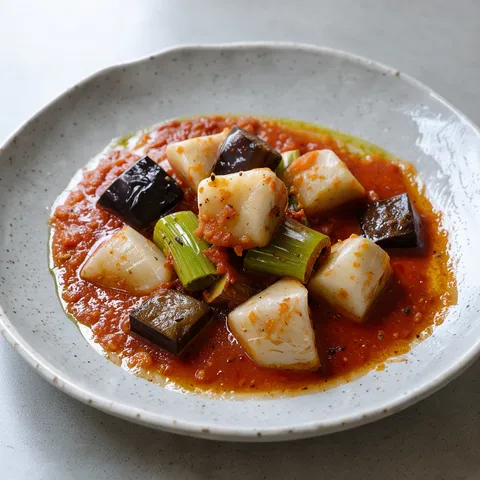
Taro and Aubergine Stew Amateke
A Burundian main course. Takes 1 hr 15 min, Serves 4. Difficulty: medium.
At a glance
- Total time
- 1 hr 15 min
- Serves
- Serves 4
- Difficulty
- Medium
- Cuisine
- Burundian cuisine
- Dish type
- Main course
- Diet
- Gluten-free
- Allergens
- Contains none of the 14 listed allergens
Ingredients
Taro
- 1 kg taro (from Mediterranean markets and Asian grocers; if unavailable, Jerusalem artichokes)
- 2 litres water (for the pre-boil)
- 1 tsp salt
Stew
- 1 aubergine (about 300 g, in place of white aubergine)
- 1/2 tsp salt (for the aubergine)
- 3 tbsp sunflower oil
- 1 tsp sweet paprika (in place of palm oil)
- 1 onion (finely chopped)
- 1 leek (cut into 1 cm rounds)
- 2 garlic cloves (crushed)
- 3 ripe tomatoes (grated)
- 1 red chilli (optional)
- 500 ml water
- 1/2 tsp salt
- 1/2 tsp black pepper
Equipment
- Chef's knife
- Chopping board
- Saucepan
- Colander
- Mixing bowls
- Heavy-based saucepan
- Wooden spoon / spatula
- Box grater
Method
- Peel the taro: Put on gloves. Cut the ends off the taro on a chopping board with a chef's knife and peel off the skin thickly. The sap of taro irritates the skin, which is why gloves are needed. Cut into 4 cm pieces and rinse in cold water
- Pre-boil: Bring 2 litres water to the boil with the salt in a pan, add the taro and boil for 10 min. Drain in a colander and discard the water. Pre-boiling reduces the taro's slimy coating and the sap that burns the throat
- Prepare the aubergine: Peel the aubergine in stripes, cut into 3 cm cubes, rub with salt in a colander and leave for 10 min, then squeeze out the liquid. Salted aubergine does not soak up oil in the stew and does not fall apart
- Clean the leek: Cut the leek into rounds, swirl the rounds in a bowl of water to remove the grit and drain
- Build the base: Heat the oil in a wide heavy-based pan over medium heat, reduce the heat, add the paprika and stir for 20 sec. Add the onion and leek and cook for 6 min, until soft, then add the garlic and chilli and stir for 1 min
- Fry the aubergine: Add the aubergine and cook for 5 min, turning with a wooden spoon, until the edges have softened slightly. Add the tomatoes, grated on the coarse side of the grater, and cook for 5 min to thicken
- Cook the taro: Add the pre-boiled taro, 500 ml water, the salt and black pepper. Bring to the boil, then lower the heat and simmer with the lid ajar for 20-25 min. A knife should slide into the taro without resistance, and the edges should break down slightly and thicken the sauce. Half-cooked taro should not be eaten, as it makes the mouth itch, so it must be fully soft
- Adjust the consistency: The sauce should coat a spoon. If it is thin, boil uncovered for 3-4 min, and if it is thick, add 50 ml hot water. Adjust the seasoning to taste
- Serve: Ladle the amateke into deep plates. In Burundi, it is eaten as a meat-free main course with beans or Renga Renga (Minty Greens and Tomato Stew)
Chef's note
Amateke (taro) is a tuber dish cooked in Burundi with white aubergine, leek and tomato. In Türkiye, taro is sold in the markets of Antalya and Alanya under the name golevez. If made with Jerusalem artichokes, the pre-boil drops to 5 min and the texture is lighter.
Frequently asked questions
- Why does taro make my mouth itch?
- Taro that is undercooked makes your mouth itch. Cook it until completely soft, until a knife slides in without resistance.
- Why do we boil the taro first?
- Pre-boiling reduces the slimy sap and the compounds that catch the throat. Discard the boiling water. Wear gloves when peeling, as the sap irritates the skin.
- What can I use if I can't find taro?
- The recipe suggests Jerusalem artichokes if taro is unavailable. Taro is sold in Mediterranean markets and Asian grocers.
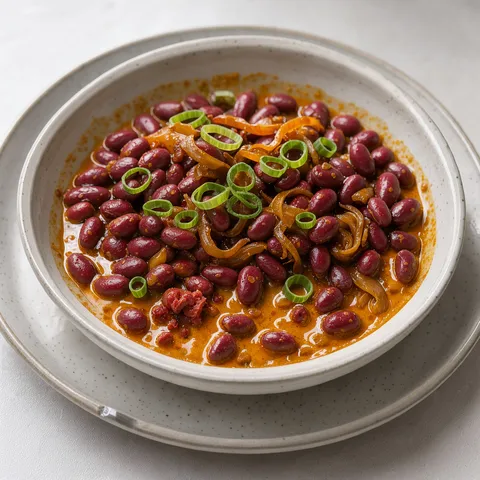 Burundian Palm Oil Red Beans55 min · Main course
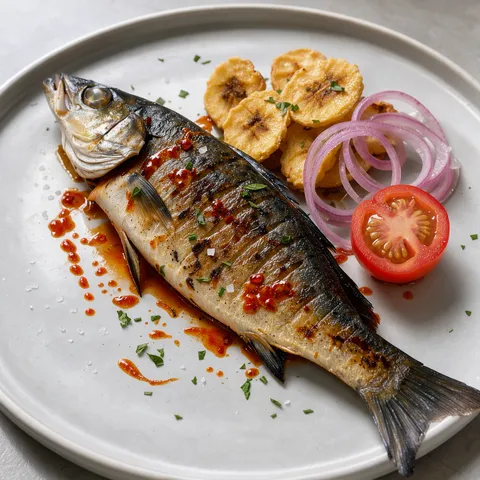 Chargrilled Whole Sea Bass1 hr 5 min · Main course
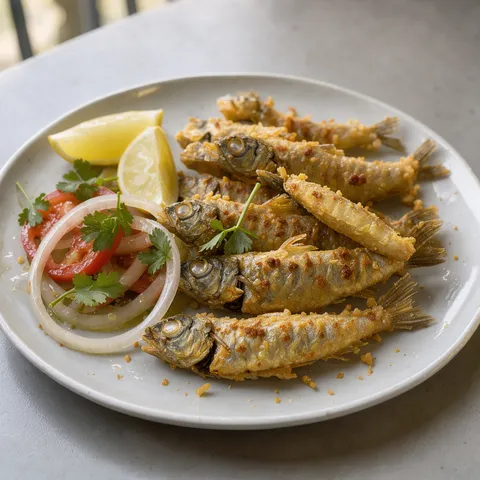 Fried Sand Smelt with Salad45 min · Meze
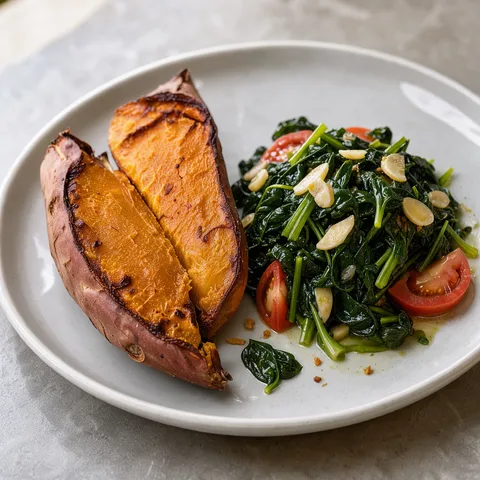 Roast Sweet Potatoes and Spinach1 hr · Main course
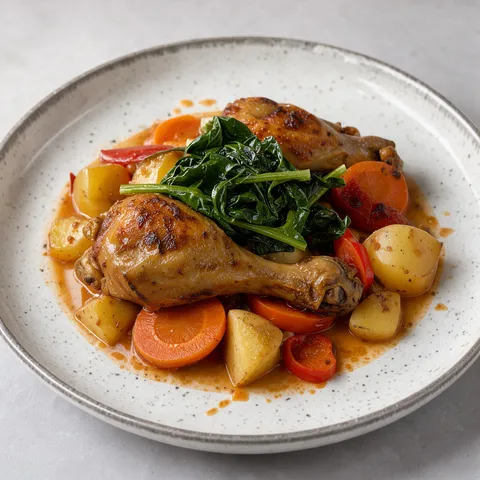 One-Pot Chicken and Vegetable Stew1 hr 25 min · Main course
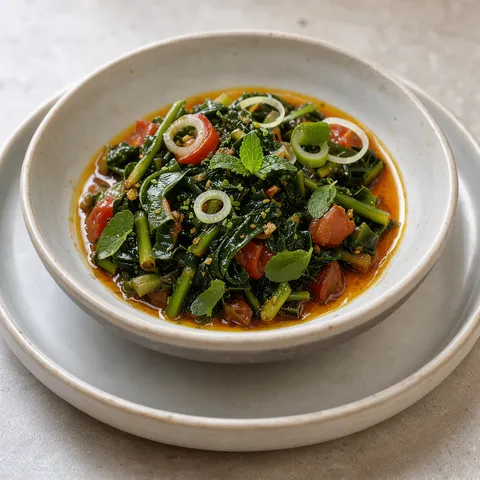 Minty Greens and Tomato Stew40 min · Side dish