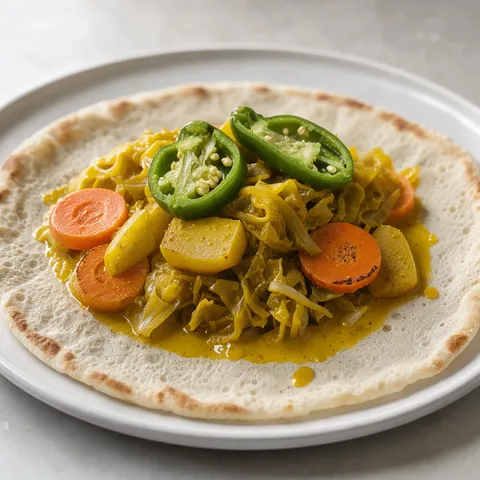
Ethiopian Turmeric Vegetable Stew Atkilt Wat
An Ethiopian main course. Takes 55 min, Serves 4. Difficulty: medium.
At a glance
- Total time
- 55 min
- Serves
- Serves 4
- Difficulty
- Medium
- Cuisine
- Ethiopian cuisine
- Dish type
- Main course
- Allergens
- Gluten, Milk
Ingredients
Vegetables
- 600 g white cabbage (half a small head)
- 3 medium potatoes (about 450 g)
- 3 carrots (about 250 g)
Stew
- 2 onions (thin half-moons, about 350 g)
- 80 ml sunflower oil
- 4 garlic cloves (crushed)
- 1 tbsp grated fresh ginger
- 1.5 tsp turmeric
- 1/2 tsp ground cumin
- 1/2 tsp black pepper
- 1.5 tsp salt
- 250 ml water
- 2 long green peppers (halved lengthways)
To serve
- 4 injera (see the Injera recipe on this site) or 4 Lavash (Basics)
Equipment
- Chef's knife
- Chopping board
- Vegetable peeler
- Heavy-based saucepan
- Box grater
- Wooden spoon / spatula
Method
- Prepare the vegetables: Discard the outer leaves of the cabbage, cut out the core and slice into 2 cm strips. Peel the potatoes and cut into 3 cm cubes, putting them in cold water so that they do not darken. Peel the carrots and cut into 1 cm rounds. Putting the potatoes and carrots in at the same time, and the cabbage later, makes everything soften together
- Soften the onion: In a wide 28 cm heavy-based saucepan, heat the sunflower oil over medium heat, add the onion and cook for 8 min, stirring, until translucent and soft. In this dish the onion is not fried: it should stay sweet and soft
- Add the aromatics and spices: Add the garlic and ginger and stir for 1 min. Add the turmeric, cumin and black pepper and stir for 30 sec, until the oil is stained golden yellow. When turmeric blooms in oil, its earthy smell turns into a sweet aroma
- Cook the root vegetables: Drain the potatoes and add them to the pan with the carrots, turning for 1 min to coat in the oil. Add 150 ml water, cover and cook over medium-low heat for 10 min. The potatoes should begin to soften at the edges
- Add the cabbage: Add the cabbage strips, the salt and the remaining 100 ml water and toss the vegetables from the bottom up. Cover and cook for 15 min, stirring twice. The cabbage should soften and turn bright yellow, and the potatoes should be easy to crush with a fork but not fall apart
- Finish with the peppers: Add the long green peppers and cook uncovered for another 5 min, leaving a little dark sauce at the bottom of the pan. If it stays too wet, turn up the heat a little. Check the seasoning
- Rest: Turn off the heat and rest covered for 5 min. The vegetables absorb the sauce and the flavours settle
- Serve: Spread the injera or lavash on a plate and put the atkilt wat in the middle. In Ethiopia this dish is served in small mounds side by side on the same injera with the lentil and pea stews
Chef's note
Atkilt wat is the indispensable vegetable dish of fasting days in Ethiopia, and it is served with lentil and pea stews on the mixed fasting platter called beyaynetu. Turmeric gives the yellow colour the dish is named for, and it is not hot. If you like it softer, cook the cabbage 5 min longer. It keeps for 3 days in the fridge. Injera is made with teff flour. If you cannot find teff, Lavash (Basics) is a good match.
Frequently asked questions
- How do I stop potatoes darkening in atkilt wat?
- Put the peeled, cubed potatoes in cold water. Then drain and add them to the pot with the carrots.
- Are the onions browned in atkilt wat?
- No, the onions aren't browned in this dish. Cook them until translucent and soft, and they stay sweet.
- What is atkilt wat served with?
- Serve with injera or flatbread. In Ethiopia it is served on the same injera as lentil and pea stews, in small mounds side by side.
 Ethiopian Chicken Stew1 hr 30 min · Main course
 Ethiopian Sour Fermented Flatbread40 min · Bread & pastry
 Ethiopian Chickpea Flour Stew55 min · Main course
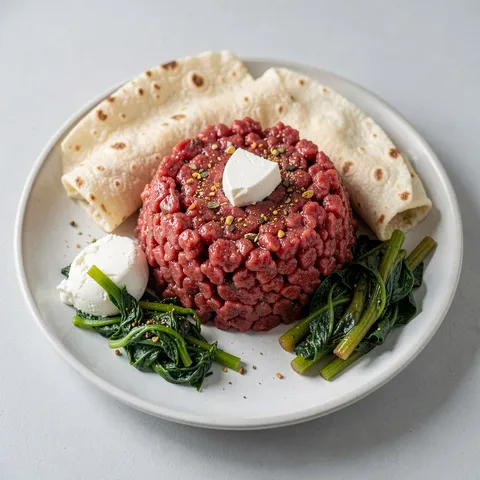 Ethiopian Spiced Beef Tartare30 min · Main course
 Ethiopian Red Lentil Stew50 min · Main course
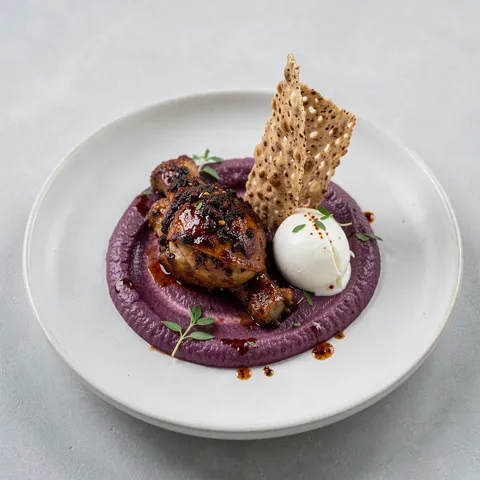 Doro Wat 2.01 hr 15 min · Main course