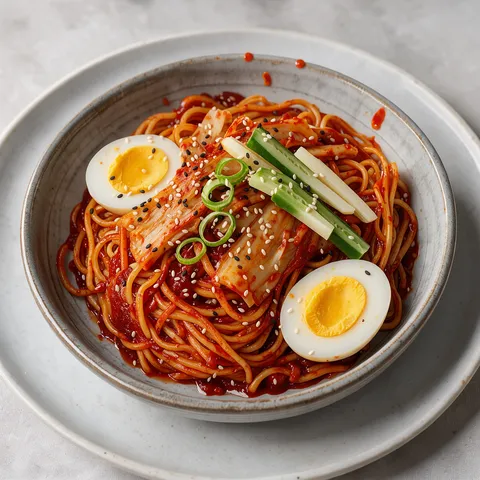
Bibim Guksu Korean Spicy Cold Noodles
A Korean main course. Takes 25 min, Serves 4. Difficulty: easy.
At a glance
- Total time
- 25 min
- Serves
- Serves 4
- Difficulty
- Easy
- Cuisine
- Korean cuisine
- Dish type
- Main course
- Allergens
- Gluten, Eggs, Fish, Sesame, Soya
Ingredients
Sauce
- 3 tbsp gochujang
- 1 tbsp gochugaru (Korean chilli flakes)
- 2 tbsp soy sauce
- 1 tbsp rice vinegar
- 1 tbsp honey or sugar
- 1 tbsp sesame oil
- 2 garlic cloves (grated)
- 1 tbsp toasted sesame seeds
Noodles
- 320 g somyeon (somen) or thin wheat noodles
- 3 litres water
Vegetables and egg
- 150 g mature kimchi (finely chopped)
- 1 cucumber (cut into matchsticks)
- 1/2 Asian pear or firm apple (cut into matchsticks)
- 4 eggs
- 2 tbsp kimchi juice
To serve
- 1 tbsp toasted sesame seeds
- 1 spring onion (thin rings)
- Korean seaweed strips (optional)
- ice
Equipment
- Saucepan
- Colander
- Mixing bowls
- Chef's knife
Method
- Boil the eggs: Lower the eggs carefully into boiling water and boil for 9 min. Transfer immediately to iced water and leave for 3 min so the shells peel easily. 9 min leaves the yolk set at the edge and slightly moist in the centre. Move on to the sauce and vegetables meanwhile
- Make the sauce: Stir the gochujang, gochugaru, soy sauce, vinegar, honey, sesame oil, garlic and sesame seeds in a small bowl for 1 min, until smooth. The flavour should balance hot, salty, slightly sweet and sour
- Chop the vegetables: Cut the cucumber and pear into thin 5 cm matchsticks (julienne). Chop the kimchi finely and mix with the 2 tbsp kimchi juice. Thin sticks match the texture of the noodles, and the pear adds a sweet coolness. Preparation takes 8 min
- Boil the noodles: Bring 3 litres water to the boil and add the noodles. Boil somen for 2-3 min and thin wheat noodles for the packet time. Most noodles turn sticky and slimy if overcooked, so lift them out promptly
- Cool and rinse: Tip the noodles into a colander and wash under cold running water for 1 min, rubbing them with your hands until all the starch is gone. Dunk in a bowl of iced water for 1 min and drain thoroughly in the colander. Ice keeps the noodles firm and silky. Excess water thins the sauce, so drain well
- Toss the noodles with the sauce: Put the noodles in a large bowl, add two thirds of the sauce and toss for 1 min with your hands or long chopsticks. Make sure every strand is coated. Add the remaining sauce if needed, then taste
- Peel the eggs: Peel the eggs and halve them, with the yolks facing up. Because the yolk stays creamy, it gives a soft texture when mixed with the sauce
- Plate and serve: Twirl the noodles into four bowls. Arrange the kimchi, cucumber and pear side by side on top and add two egg halves. Finish with the sesame seeds, spring onion and seaweed strips. Toss everything together at the table just before eating
Chef's note
In Korean cooking, gochujang, gochugaru and mature kimchi are traditionally store-bought products. Bibim guksu is a quick, refreshing cold noodle dish, common in Korean summer and home cooking. To reduce the heat, cut the gochujang to 2 tbsp. Mature kimchi gives a sourer, deeper flavour; if using young kimchi, increase the vinegar a little. Tofu can replace the egg.
Frequently asked questions
- Why are the cold noodles plunged into iced water?
- Ice keeps the noodles springy and silky. Rinse the noodles under cold running water, rubbing them with your hands, then leave them in iced water for 1 minute and drain well.
- Why are the noodles drained so thoroughly?
- Extra water thins the sauce. Drain the noodles well in a colander, then toss them with two thirds of the sauce.
- What can I use instead of somyeon?
- Use somyeon (somen) or thin wheat noodles. Somen needs only 2-3 minutes of boiling, and most noodles turn sticky and slimy if overcooked.
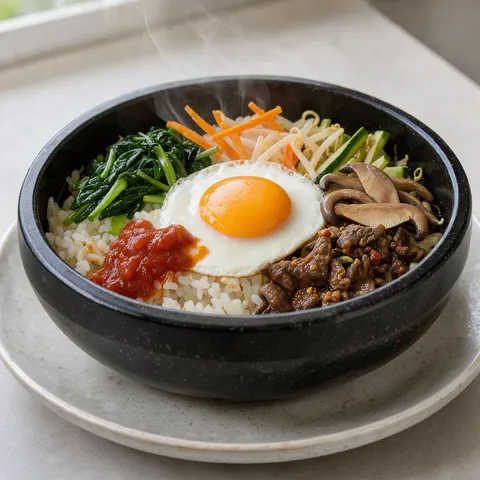 Bibimbap1 hr 15 min · Main course
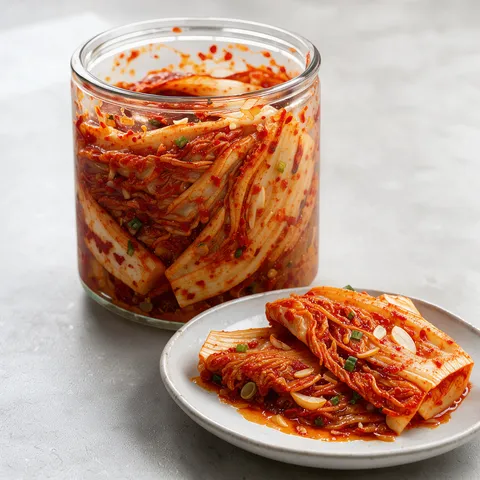 Kimchi3 hr · Side dish
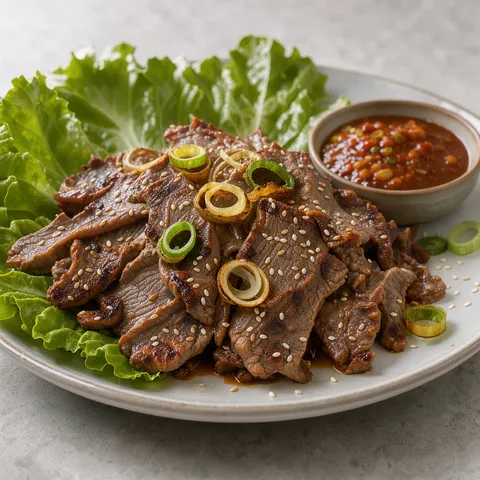 Bulgogi30 min · Main course
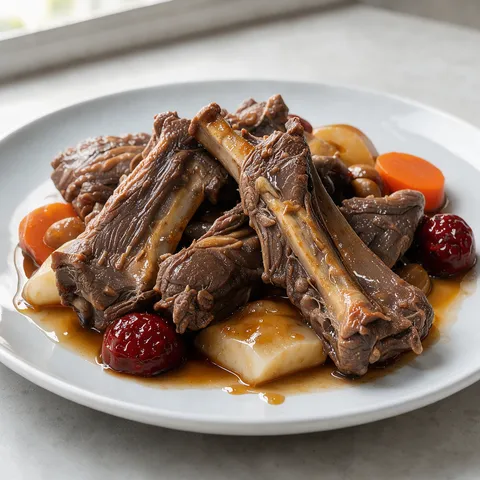 Korean Braised Short Ribs1 hr 30 min · Main course
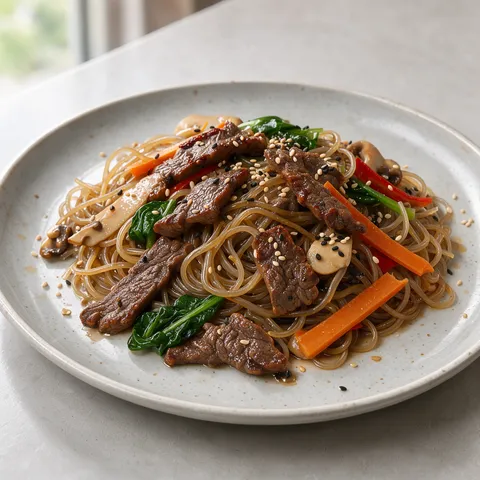 Korean Glass Noodles with Vegetables45 min · Main course
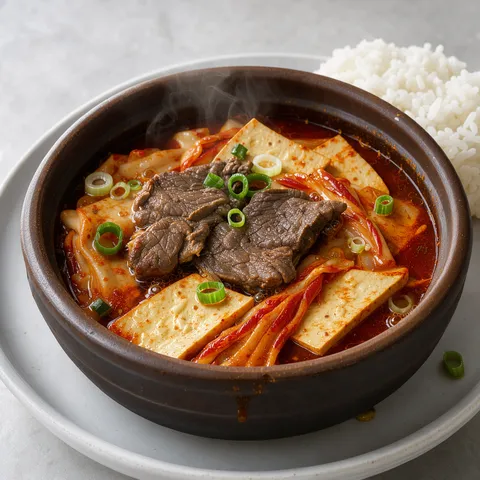 Kimchi Stew40 min · Soup