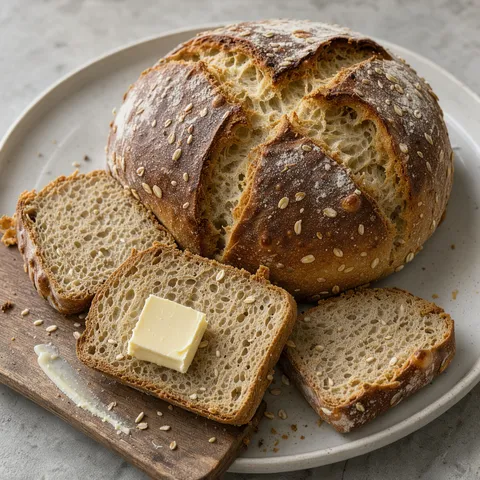
Brown Soda Bread
An Irish bread & pastry. Takes 1 hr 5 min, 1 loaves, 10 slices. Difficulty: medium.
At a glance
- Total time
- 1 hr 5 min
- Serves
- 1 loaves, 10 slices
- Difficulty
- Medium
- Cuisine
- Irish cuisine
- Dish type
- Bread & pastry
- Diet
- Vegetarian
- Allergens
- Gluten, Milk
Ingredients
Dry
- 350 g wholemeal flour (coarsely ground)
- 150 g plain white flour
- 30 g coarse oatmeal
- 1 tsp bicarbonate of soda
- 1 tsp fine salt
- 1 tsp light brown sugar
Fat
- 30 g cold butter
Wet
- 450 ml buttermilk (cultured) or unsalted kefir or a mix of 250 g yoghurt and 200 ml milk
- 1 tbsp grape molasses or sugar beet molasses (optional)
Topping
- 1 tbsp rolled oats
- 1 tbsp plain flour
Equipment
- Oven
- Baking tray
- Baking paper
- Mixing bowls
- Bread knife
- Probe thermometer (optional)
Method
- Preheat the oven: Set the oven to 220°C with the baking tray inside to heat. Soda bread doesn't wait for yeast: the dough must go into the oven as soon as it is made, because the bicarbonate starts releasing gas the moment it touches the buttermilk
- Mix the dry ingredients: Mix the wholemeal flour, white flour, oats, bicarbonate of soda, salt and sugar in a large bowl. Sift the bicarbonate, as any lumps leave bitter yellow spots in the bread
- Rub in the butter: Add the cold butter to the flour in cubes and rub in with your fingertips until it resembles fine crumbs. A little butter softens the crust and delays staling
- Add the buttermilk: Make a well in the centre of the flour and pour in the buttermilk and molasses. Spread your fingers like a claw and mix quickly in a circular motion from the edge to the centre. The dough should be sticky, wet and shaggy. Don't mix for more than a minute: kneaded soda bread turns heavy and hard
- Shape: Turn the dough out onto a floured surface and, with floured hands, just tuck the edges underneath in 2-3 movements to form a round loaf. The loaf should be about 18-20 cm across and 5 cm high
- Cut a cross: Put baking paper on the hot tray and place the loaf on it. Cut a deep cross in the top with a floured knife (halfway through the loaf). In Ireland this is said to let the fairies out, but in reality the cross lets the centre of the bread bake through. Sprinkle with the oats and flour
- Bake: Bake at 220°C for 15 min, then lower the heat to 200°C and bake for another 25-30 min. When you turn the loaf over and tap the bottom, it should sound hollow, like a drum. If using a thermometer, the internal temperature should be 96°C
- Rest: For a softer crust, wrap the hot bread in a clean tea towel, or for a crisp crust, cool it uncovered on a wire rack. Rest for at least 20 min: bread cut while hot looks doughy
- Plate: Cut the loaf into four along the lines of the cross with a bread knife, then cut into 1.5 cm slices. Spread the slices out on a wooden board and serve with plenty of butter and, if you like, smoked salmon or white brined cheese
Chef's note
This makes 1 loaf, about 10 slices. When bicarbonate of soda became widespread in Ireland in the 19th century, the soft Irish wheat, unsuitable for yeast, was turned into soda bread and baked on the hearth in an iron pot in every farmhouse. Don't use salted Turkish ayran. If you have no buttermilk, add 2 tbsp lemon juice to 450 ml milk and leave for 10 min.
Frequently asked questions
- Why isn't soda bread dough mixed much?
- Soda bread that is mixed or kneaded for more than a minute turns heavy and tough. The dough should stay sticky, wet and shaggy.
- Why is a cross cut into the top of soda bread?
- In Ireland it is said to let the fairies out. In reality the cross helps the middle of the loaf bake through.
- What can replace buttermilk?
- Unsalted kefir, or a mix of 250 g yoghurt and 200 ml milk, will work.
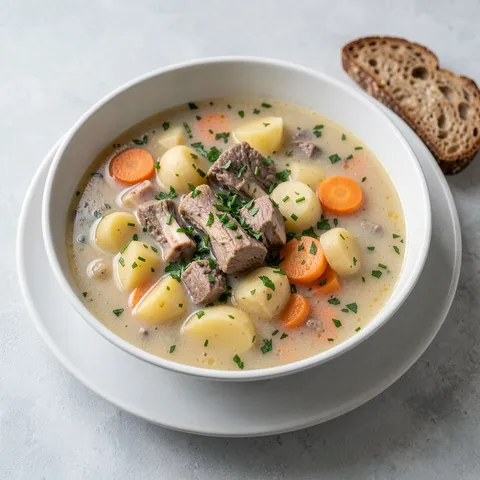 Irish Stew2 hr 20 min · Main course
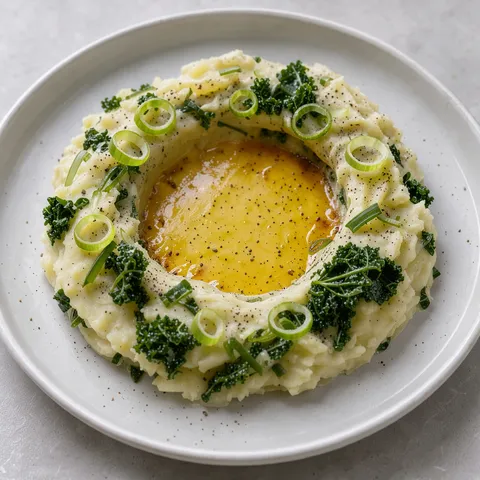 Irish Mashed Potatoes with Kale45 min · Side dish
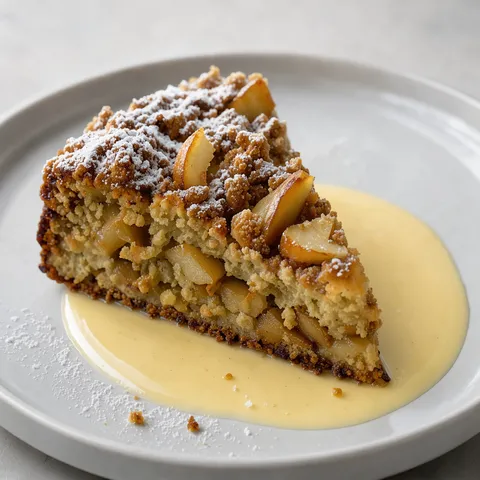 Crumble-Topped Irish Apple Cake with Custard1 hr 30 min · Dessert
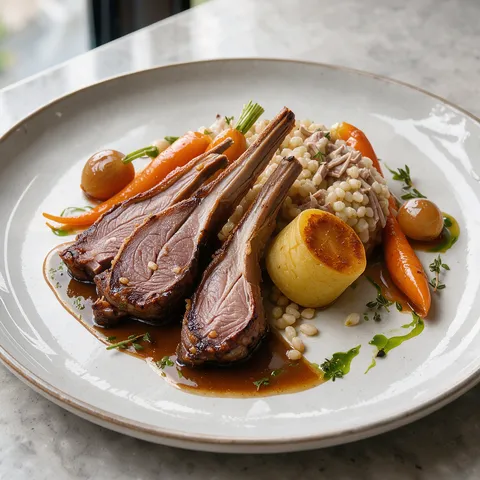 Irish Stew 2.01 hr 25 min · Main course
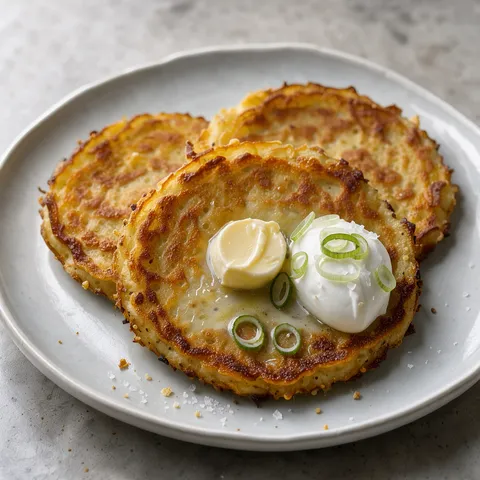 Irish Potato Pancakes with Soured Cream1 hr 5 min · Bread & pastry
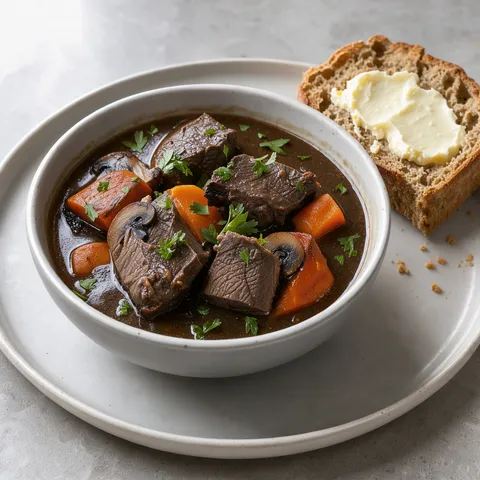 Beef and Guinness Stew3 hr · Main course