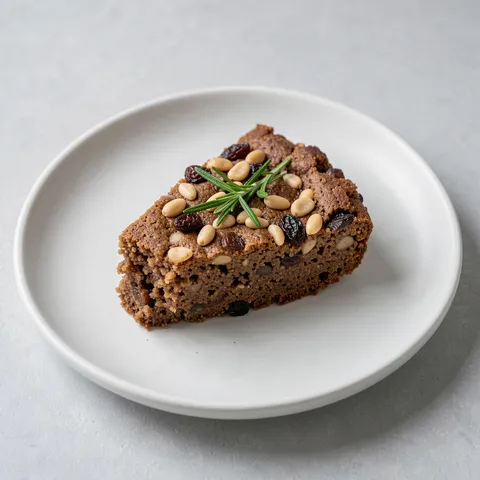
Tuscan Chestnut Flour Cake Castagnaccio
An Italian patisserie. Takes 1 hr, 24 cm tin, 12 slices. Difficulty: medium.
At a glance
- Total time
- 1 hr
- Serves
- 24 cm tin, 12 slices
- Difficulty
- Medium
- Cuisine
- Italian cuisine
- Dish type
- Patisserie
- Allergens
- Gluten, Milk, Eggs, Tree nuts
Ingredients
Batter
- 300 g chestnut flour
- 400 ml cold water
- 3 tbsp extra virgin olive oil
- 1/2 tsp salt
Tin
- 1 tbsp olive oil
Topping
- 40 g pine nuts
- 40 g walnuts (roughly broken)
- 50 g raisins
- 2 fresh rosemary sprigs
- 1 tbsp olive oil
To serve
- 24 cm diameter tin
- 12 slices (3 slices each for 4 people)
Equipment
- Oven
- Baking tray
- Fine sieve / chinois
- Balloon whisk
- Mixing bowls
Method
- Prepare the oven and tin: Preheat the oven to 190°C. Grease a 24 cm cake tin generously with olive oil. As chestnut cake is thin, a greased tin makes slicing easier. (~3 min)
- Soak the raisins: Leave the raisins in lukewarm water for 10 min, drain and pat dry with kitchen paper. Soaked raisins do not harden when baked and shine like caramel on the cake. (~2 min)
- Sift the flour and add the water: Sift the chestnut flour into a bowl through a fine sieve, breaking up any lumps. Add the cold water in 4 additions, whisking, and break up the lumps thoroughly after each addition. The batter should be fluid and smooth, a little thicker than crêpe batter. (~6 min)
- Add the oil and salt: Whisk the olive oil and salt into the batter and rest for 10 min. Chestnut flour absorbs water slowly, and a rested batter does not crack or blister when baked. If foam forms at the edge, remove it with a spoon. (~10 min)
- Pour into the tin and decorate: Pour the batter into the tin, about 1.5 cm deep. Scatter the pine nuts, walnuts, raisins and rosemary leaves evenly over the top and press in lightly. Drizzle with olive oil. Raisins that sink into the batter turn black, so keep them on the surface. (~4 min)
- Bake: Bake on the middle shelf for 30 min, until the surface dries, fine cracks appear and the edges pull away slightly. The pine nuts should be golden and the rosemary crisp. If the surface is glossy and wet, bake for 5 min more. (~30 min)
- Cool and slice: Cool for 5 min without removing from the tin, then cut into 12 slices with a sharp knife. Serve lukewarm or at room temperature, as it thickens and hardens as it cools. The inside should be moist, dense and lightly sweet. (~5 min)
Chef's note
Castagnaccio is the traditional winter cake of Tuscany and Lunigiana, made with chestnut flour, without sugar or eggs. Chestnut flour is naturally sweet with a lightly smoky flavour, which is why no sugar is added. If you cannot find chestnut flour, buy it in regions of Türkiye where chestnuts are grown or in speciality food shops. It is completely vegan and gluten-free.
Frequently asked questions
- Why is the castagnaccio batter rested?
- Chestnut flour absorbs water slowly. Rested batter does not crack or blister when baked.
- Why are the raisins soaked?
- Soaked raisins do not go hard when baked, and they glisten like caramel on the cake. If pushed into the batter, raisins darken, so they should stay on the surface.
- Is castagnaccio served hot or cold?
- Serve it warm or at room temperature. When cold, it becomes dense and firm.
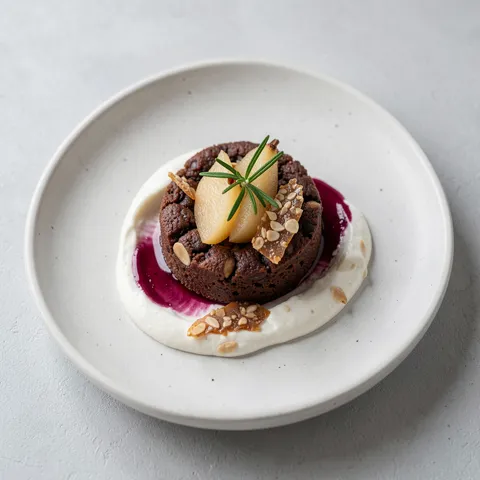 Castagnaccio 2.01 hr 6 min · Dessert
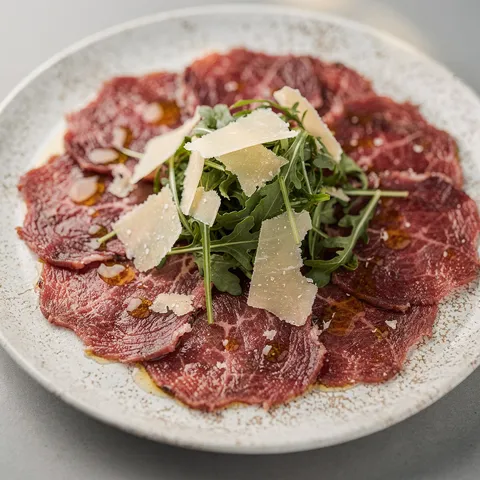 Beef Carpaccio, Mini Hunkar Begendi Croquettes, Parmesan Cream1 hr 30 min · Starter
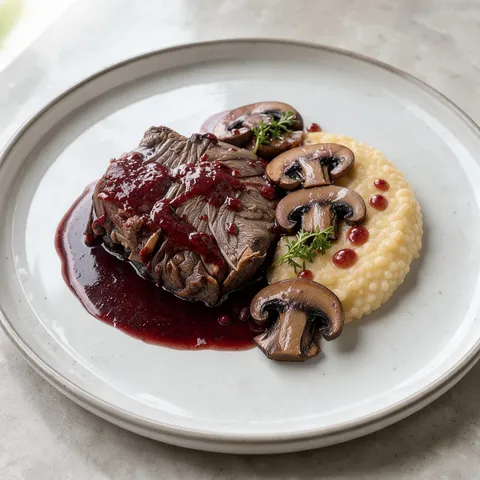 Beef Cheeks, Red Wine, Mushrooms, Polenta2 hr · Main course
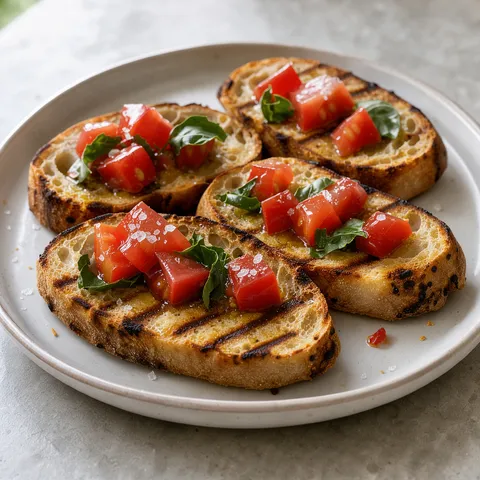 Bruschetta al Pomodoro25 min · Starter
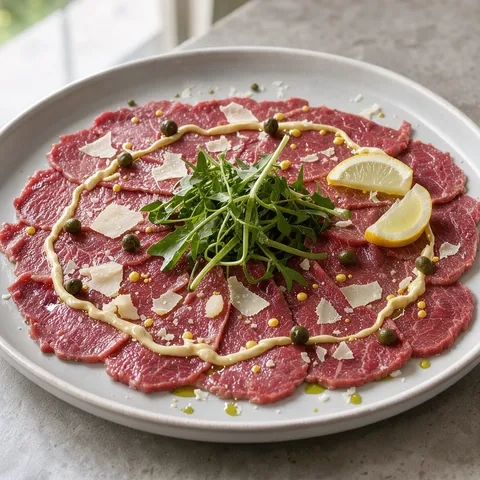 Carpaccio di Manzo30 min · Starter
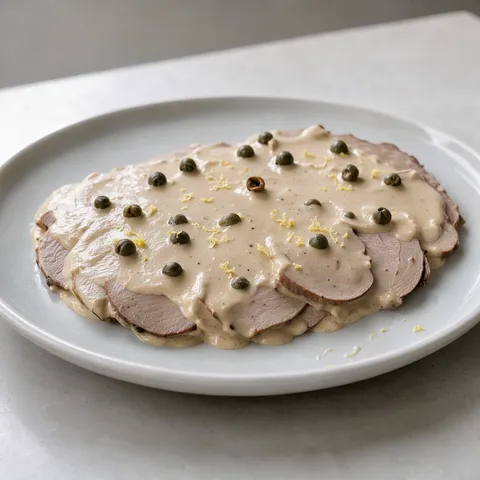 Vitello Tonnato1 hr 30 min · Starter
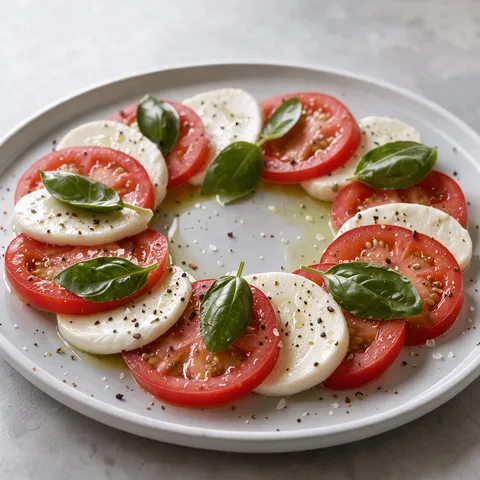 Insalata Caprese10 min · Starter