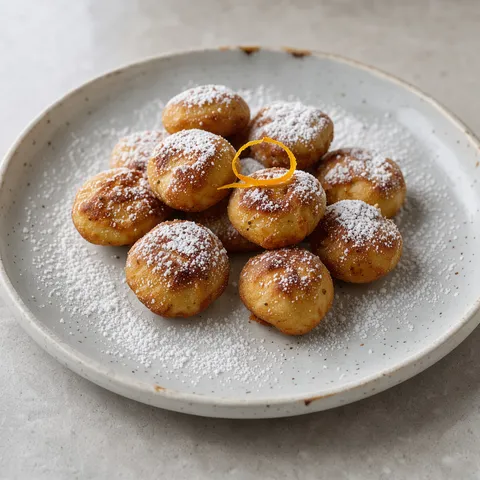
Castagnole Italian Carnival Fried Dough Balls
An Italian dessert. Takes 30 min, 24 pieces (4 servings). Difficulty: easy.
At a glance
- Total time
- 30 min
- Serves
- 24 pieces (4 servings)
- Difficulty
- Easy
- Cuisine
- Italian cuisine
- Dish type
- Dessert
- Diet
- Vegetarian
- Allergens
- Gluten, Milk, Eggs
Ingredients
Dough
- 250 g plain flour
- 60 g caster sugar
- 2 eggs
- 50 g butter (at room temperature)
- 1 tbsp baking powder (about 8 g)
- grated zest of 1 orange
- a pinch of salt
- 50 ml sambuca or aniseed liqueur
Frying
- 1 litre sunflower oil
Coating
- 4 tbsp caster sugar
- 2 tbsp icing sugar
Equipment
- Saucepan
- Mixing bowls
- Probe thermometer (optional)
Method
- Prepare the dry ingredients: Sift the flour, baking powder and salt into a large bowl and mix in the sugar. Sifting distributes the baking powder evenly, otherwise some balls do not rise (~2 min)
- Knead the dough: Add the eggs, soft butter, orange zest and liqueur. Mix with a fork until combined, then knead by hand for 2 min. The texture should be soft and slightly sticky, and if it is too sticky add 1 tbsp flour (~4 min)
- Shape the balls: Pull off walnut-sized pieces of dough (about 20 g) and roll between your palms into smooth balls. This makes 24. Smooth balls swell evenly when fried, and a cracked surface soaks up oil (~7 min)
- Heat the oil: Heat the oil in a deep pan to 170°C. Without a thermometer, a piece of dough dropped in should rise to the surface within 2-3 sec and bubble slowly around the edges. Oil that is too hot burns the outside and leaves the inside raw (~4 min)
- Fry: Add the balls to the oil 8 at a time and turn them often. Within 3-4 min they should have doubled in size and turned deep golden all over. After each batch bring the oil back to 170°C and lift out onto kitchen paper (~10 min)
- Coat in sugar: Toss the still-warm castagnole in a bowl of caster sugar and shake. Sugar sticks while they are hot and does not hold once they cool (~2 min)
- Drain and plate: Shake off the excess sugar, pile them in a pyramid on a large plate and sift over the icing sugar. Serve warm, as they firm up when cold (~1 min)
Chef's note
Castagnole, the carnival (Carnevale) sweet of Emilia-Romagna and Lazio, take their name from their chestnut-like shape. The aniseed liqueur flavours the sweet and lightens the dough. Avoid oil that is too hot when frying, as 170°C is needed for the inside to cook. Leftovers firm up after a day, so it is best to eat them the same day.
Frequently asked questions
- How do I know the oil is hot enough for castagnole?
- Heat the oil to 170°C. Without a thermometer, a piece of dough dropped in should rise to the surface in 2-3 seconds and bubble gently around the edges. Oil that is too hot browns the outside and leaves the inside raw.
- Why don't my castagnole puff up?
- If the baking powder is not sifted into the flour, it spreads unevenly and some balls will not rise. The balls should also be smooth, as cracked surfaces soak up oil.
- When do I add the caster sugar and icing sugar?
- Toss the castagnole in the caster sugar while they are still hot, as the sugar will not stick once they cool. Sift the icing sugar over just before serving.
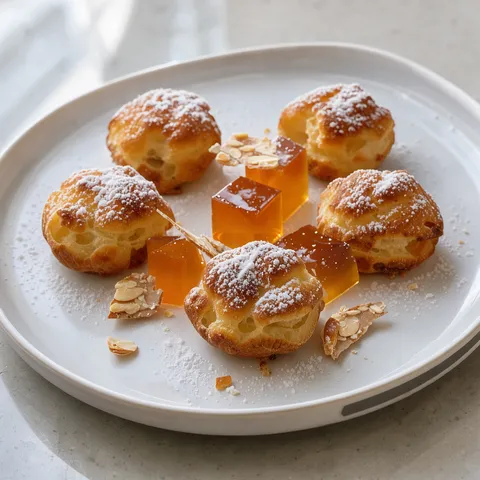 Castagnole 2.01 hr 19 min · Dessert
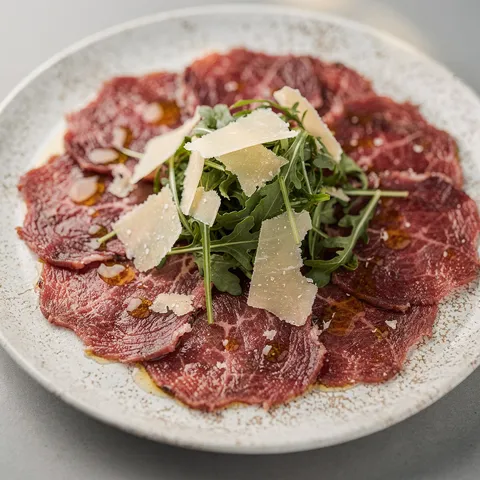 Beef Carpaccio, Mini Hunkar Begendi Croquettes, Parmesan Cream1 hr 30 min · Starter
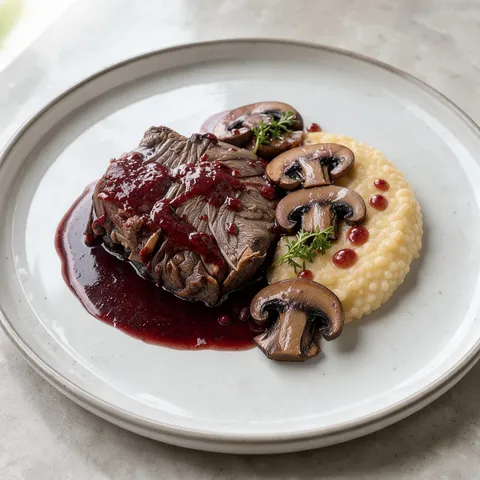 Beef Cheeks, Red Wine, Mushrooms, Polenta2 hr · Main course
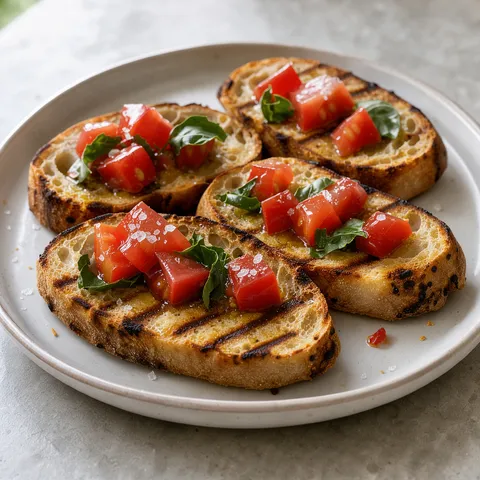 Bruschetta al Pomodoro25 min · Starter
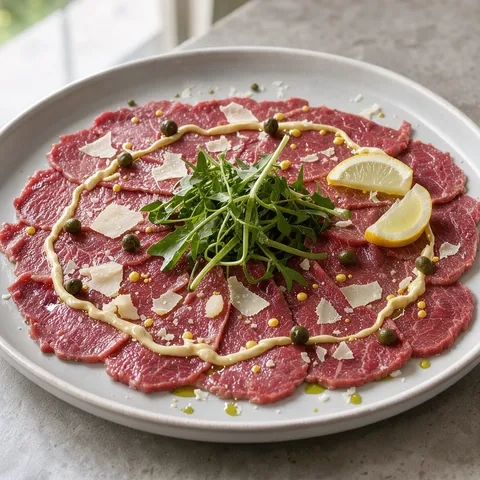 Carpaccio di Manzo30 min · Starter
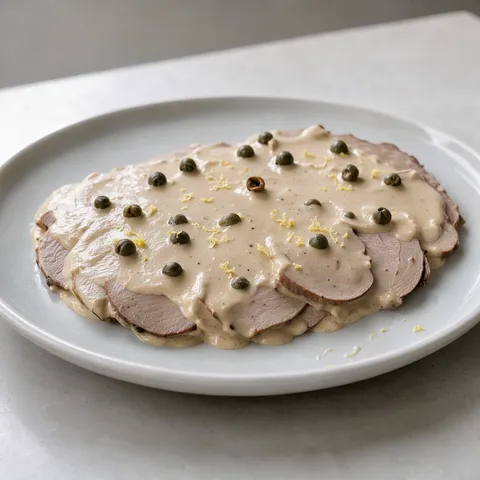 Vitello Tonnato1 hr 30 min · Starter
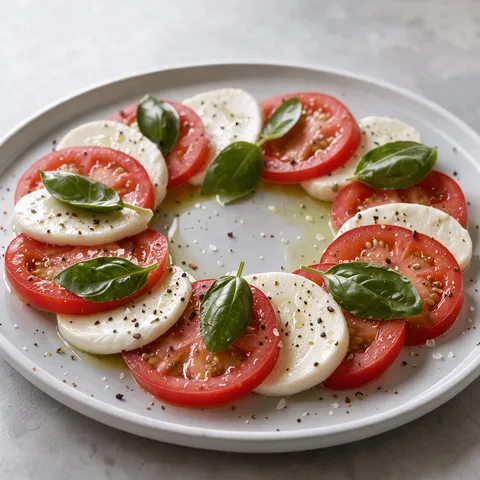 Insalata Caprese10 min · Starter