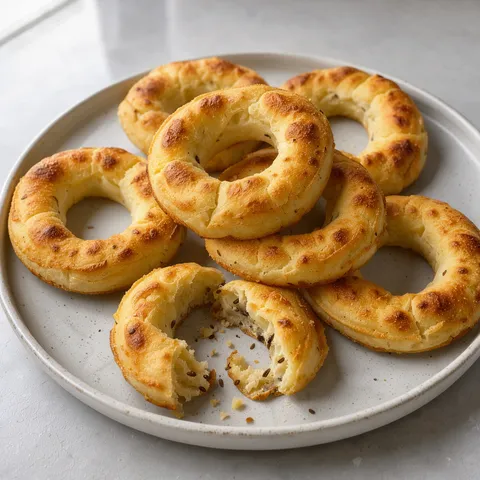
Cassava Cheese Bread with Aniseed Chipá
A Paraguayan bread & pastry. Takes 1 hr 20 min, 20 pieces (6-8 servings). Difficulty: medium.
At a glance
- Total time
- 1 hr 20 min
- Serves
- 20 pieces (6-8 servings)
- Difficulty
- Medium
- Cuisine
- Paraguayan cuisine
- Dish type
- Bread & pastry
- Diet
- Vegetarian, Gluten-free
- Allergens
- Milk, Eggs
Ingredients
Dough
- 500 g cassava starch (tapioca starch)
- 50 g fine yellow cornmeal
- 100 g butter (at room temperature)
- 3 eggs
- 150 g unsalted fresh cheese (well drained, crumbled)
- 150 g finely grated mild semi-hard cheese
- 1 tsp aniseed
- about 100 ml milk
- 1 tsp salt
For the tray
- baking paper
Makes
- 20
Equipment
- Saucepan
- Mixing bowls
- Balloon whisk
- Muslin
- Box grater
- Cling film
- Oven
- Baking tray
- Baking paper
- Probe thermometer (optional)
Method
- Infuse the aniseed: Warm the milk to 60°C in a small saucepan, add the aniseed, take off the heat and leave to infuse for 5 min. Warm milk opens up the aroma of the aniseed and also raises the temperature of the dough so the starch comes together more easily
- Beat the butter and eggs: Beat the butter in a large bowl with a whisk for 2 min until creamy, then add the eggs one at a time, beating after each. The mixture may look curdled, but it comes together once the starch is added. Takes 3 min in total
- Prepare the cheese: Squeeze the fresh cheese in muslin to remove the liquid and crumble finely, and finely grate the semi-hard cheese. Wet cheese softens the dough and makes the chipá spread in the oven. Takes 5 min in total
- Rub in the dry ingredients: Add the cassava starch, cornmeal and salt to the butter mixture and rub with your fingertips for 5 min until it resembles coarse sand. Once the starch is coated in fat, chipá gets a crisp crust and a stretchy inside
- Knead the dough: Add the cheeses and knead for 5 min, pouring in the aniseed milk a little at a time. The dough should be soft, smooth and non-sticky, like play dough. Starch dough does not stretch like a gluten dough: add too much milk and it runs, too little and it cracks
- Rest: Cover the dough with cling film and leave to rest for 15 min. Meanwhile, preheat the oven to 220°C. The rested starch absorbs the moisture evenly
- Shape: Divide the dough into 60 g pieces, about 20 in all. Roll each piece in your palm into a 15 cm cylinder and join the ends into a ring (chipá argolla), or bend it slightly into a horseshoe. Arrange 3 cm apart on a tray lined with baking paper. Takes 15 min in total
- Bake: Bake on the middle shelf of the 220°C oven for 15-18 min, until the tops are flecked with golden patches and the bases have browned. Do not open the oven door for the first 10 min, as a sudden drop in temperature makes the chipá collapse
- Plate: Let the chipá cool slightly for 5 min. Stack a few rings leaning on each other in a wicker basket or on a plate. Serve warm. As they cool the crust hardens and the inside stays chewy
Chef's note
Chipá was born from the meeting of the Guaraní people's cassava culture with the dairy products and eggs brought by the Jesuit missions. In Paraguay it is baked in huge quantities during Holy Week (Semana Santa), and roadside sellers called chiperas sell it from baskets. The original recipe uses lard (grasa de cerdo); here it is made with butter. A mix of fresh cheese and semi-hard cheese is used in place of queso Paraguay.
Frequently asked questions
- What should I do if the chipá dough runs or cracks?
- Starch dough does not stretch like a gluten dough. Too much milk makes it runny and too little makes it crack, so aim for a smooth play-dough texture that does not stick to your hands.
- Why shouldn't you open the oven door?
- Keep the door shut for the first 10 minutes, because a sudden drop in temperature makes the chipá collapse.
- Why do you squeeze the fresh cheese?
- Watery cheese softens the dough and the chipá spreads in the oven. Squeeze the cheese in a cloth to remove the liquid, then crumble it finely.
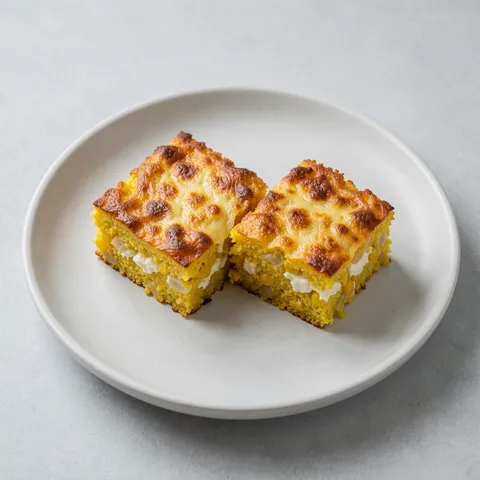 Cheese and Onion Cornbread1 hr 40 min · Bread & pastry
 Chicken Soup with Cornmeal Dumplings1 hr 45 min · Soup
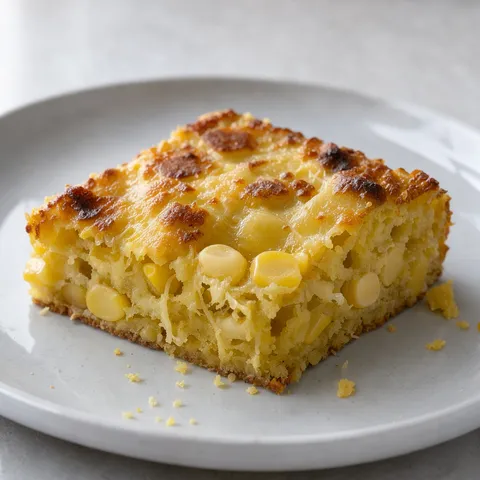 Fresh Corn and Cheese Bake1 hr 30 min · Side dish
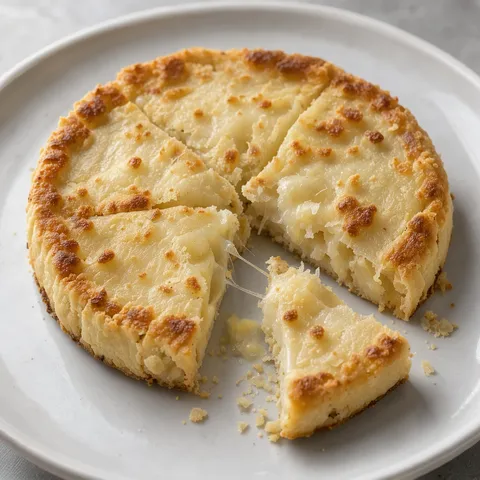 Cassava Starch and Cheese Pancake1 hr 5 min · Bread & pastry
 Pounded Beef and Rice Soup1 hr 5 min · Soup
 Sweet Pumpkin Purée with Cheese1 hr · Side dish