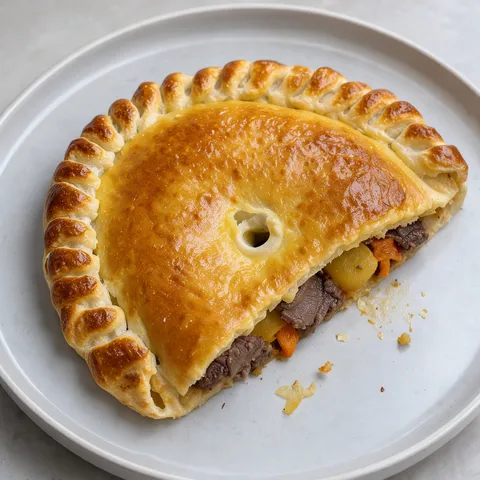
Cornish Pasty
An English bread & pastry. Takes 2 hr · +30 min resting the pastry, 4 pieces (4 servings). Difficulty: medium.
At a glance
- Total time
- 2 hr · +30 min resting the pastry
- Serves
- 4 pieces (4 servings)
- Difficulty
- Medium
- Cuisine
- English cuisine
- Dish type
- Bread & pastry
- Allergens
- Gluten, Milk, Eggs
Ingredients
Pastry
- 500 g strong white bread flour
- 1 tsp salt
- 120 g cold butter
- 120 g cold beef suet (grated) or another 120 g butter
- 175 ml iced water
Filling
- 450 g beef skirt or sirloin
- 350 g floury potatoes
- 200 g swede (yellow-fleshed)
- 150 g onion
- 1.5 tsp salt
- 1.5 tsp coarsely ground black pepper
- 25 g butter
Glaze
- 1 egg + 1 tbsp milk (beaten)
Equipment
- Mixing bowls
- Cling film
- Box grater
- Chef's knife
- Chopping board
- Rolling pin / oklava
- Baking tray
- Baking paper
- Pastry brush
- Oven
Method
- Knead the dough: Put the flour and salt in a bowl. Add the cold butter in cubes and the grated suet and rub in with your fingertips until it looks like coarse breadcrumbs. Add the iced water gradually and bring the dough together, then knead for 4-5 min, until smooth and elastic. Cornish pasty pastry is made with bread flour and kneaded because the filling is heavy and the pasty must not tear when carried in the hand
- Rest: Wrap the dough in cling film and leave to rest in the fridge for at least 30 min. The gluten relaxes so the pastry does not shrink back when rolled, and the fat firms up
- Prepare the filling: Trim the meat of fat and sinew and cut it into 1 cm cubes. Do not use mince. Peel the potatoes and swede and cut them with a knife into thin, irregular shavings rather than neat cubes, thin enough to cook from raw in the same time in the oven. Finely chop the onion. Keep each in a separate bowl and do not mix them
- Roll out the pastry: Preheat the oven to 200°C. Divide the dough into 4 equal pieces and roll them out on a floured worktop with a rolling pin into circles 3-4 mm thick and about 22 cm across. You can use a plate as a template to trim the edges
- Layer the filling: In a strip across the centre of each circle, put first half the potato, then the swede, onion and meat, and spread the remaining potato on top. Season each layer with salt and pepper and put a few pieces of butter on top. Layering lets the meat juices run down into the potato and everything cook in the steam. Leave 2 cm clear around the edges
- Seal and crimp: Moisten the edges of the pastry lightly with water. Fold one half over the other to make a half-moon and press the edge to seal. Starting at one corner, fold and twist the edge inwards between your thumb and index finger to make a rope of 18-20 crimps. This thick edge is traditionally where the miners held the pasty. Place the pasty on a tray lined with baking paper with the crimp on top or at the side
- Brush and vent: Brush with the egg and milk and make a small steam hole in the middle with the tip of a knife. The hole stops the steam that builds up inside from bursting the pastry
- Bake: Bake at 200°C for 20 min, until the pastry starts to colour. Then lower the heat to 170°C and bake for another 30-35 min. When a skewer is pushed into the steam hole, the potato and meat should feel tender, and the pastry should be deep golden, firm and sound solid when tapped
- Rest and serve: Leave to rest on the tray for 10 min after taking it out of the oven, as the hot steam inside settles the meat juices. Lay the pasty whole on a plate with the crimped edge facing forward and serve with a salad, or on its own
Chef's note
The Cornish pasty has protected geographical indication status in Europe: it must be made with raw beef, potato, swede and onion, with the edge crimped at the side. The few pieces of butter on top are a home adaptation added to the traditional filling, and you can leave them out. The original pastry also uses lard; here it is made with beef suet. Do not use a pre-cooked filling: the secret of the flavour is the meat juices passing into the raw vegetables inside the sealed pastry.
Frequently asked questions
- Why is diced beef used in a Cornish pasty rather than mince?
- Trim the beef of fat and sinew and cut it into 1 cm cubes, never mince. Slice the potato and swede into thin chips too, so that everything cooks raw in the same time.
- Why make a hole in the pasty?
- After brushing with the egg and milk, cut a small steam vent in the top. It stops steam building up inside and bursting the pastry.
- Why use strong bread flour for the pastry?
- Cornish pasty pastry is made with strong flour and kneaded, because the filling is heavy and the pastry must not tear when held in the hand.
 Deconstructed Carrot Cake1 hr 30 min · Dessert
 Fish and Chips1 hr 10 min · Main course
 Shepherd's Pie1 hr 55 min · Main course
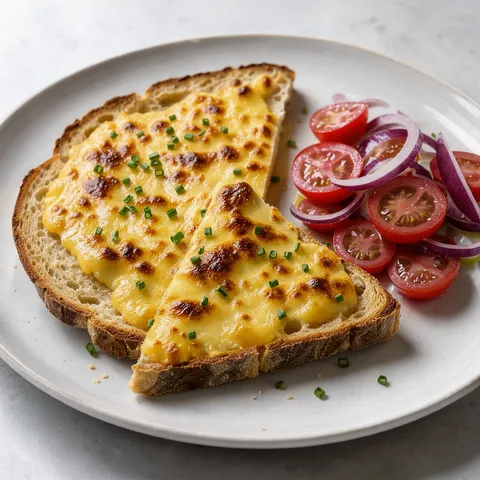 Welsh Rarebit35 min · Starter
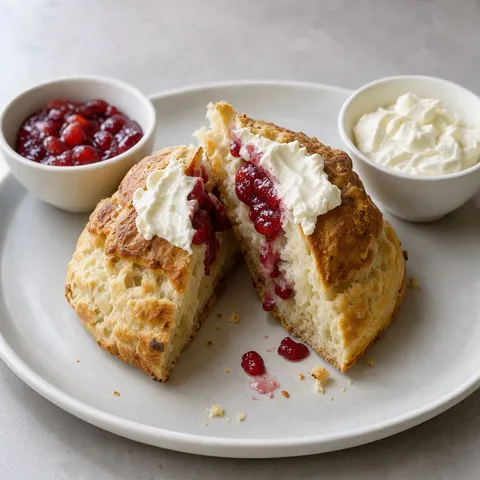 Scones with Clotted Cream and Strawberry Jam50 min · Patisserie
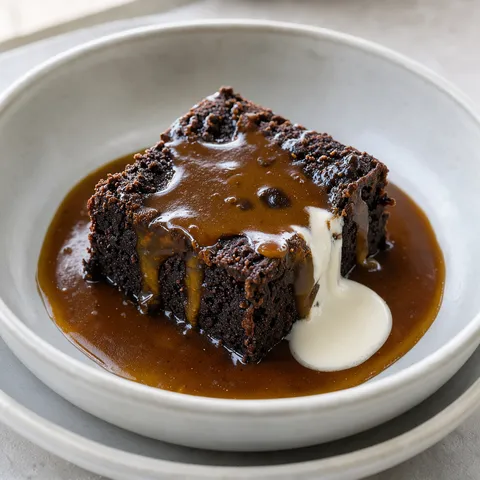 Sticky Toffee Pudding1 hr 15 min · Dessert