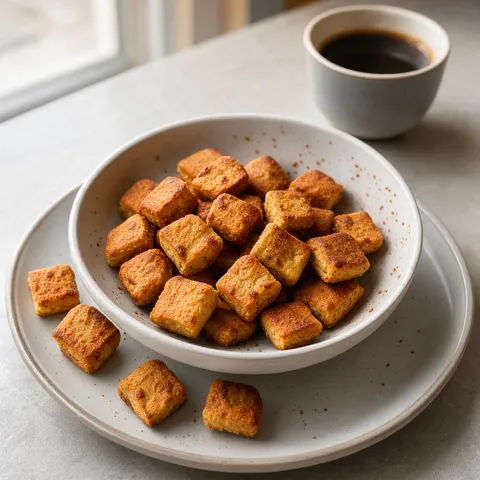
Ethiopian Crisp Berbere Dough Bites Dabo Kolo
An Ethiopian bread & pastry. Takes 1 hr 15 min, about 450 g (8 servings snack). Difficulty: medium.
At a glance
- Total time
- 1 hr 15 min
- Serves
- about 450 g (8 servings snack)
- Difficulty
- Medium
- Cuisine
- Ethiopian cuisine
- Dish type
- Bread & pastry
- Allergens
- Gluten
Ingredients
Dough
- 300 g plain flour
- 1 tsp salt
- 2 tsp caster sugar
- 60 ml sunflower oil
- about 130 ml lukewarm water. Berbere (quick blend, about 1.5 tsp): 1 tsp sweet paprika
- 1/4 tsp hot chilli flakes
- 1/8 tsp ground ginger
- 1/8 tsp ground cardamom
- a pinch of ground cloves
- a pinch of ground cinnamon
Equipment
- Pestle and mortar
- Mixing bowls
- Cling film
- Chef's knife
- Baking tray
- Cast-iron frying pan
- Wooden spoon / spatula
Method
- Pound the berbere: Pound the chilli flakes in a mortar for 30 sec to a fine powder and mix with the paprika, ginger, cardamom, cloves and cinnamon. Finely pounded chilli distributes evenly through the dough, whereas coarse chilli flakes make some of the bites too hot
- Rub the fat into the dry ingredients: Mix the flour, salt, sugar and berbere in a large bowl. Add the oil and rub with your fingertips for 2 min, until the flour clumps like wet sand. The fat coats part of the flour and prevents the gluten from overdeveloping, which makes the kolo crisp instead of hard
- Knead the dough: Add the lukewarm water a little at a time and bring together a firm dough. Knead on the worktop for 5 min, until smooth and no longer sticking to your hands. If the dough is soft it will squash when you shape it, so add 1 tbsp flour if needed
- Rest: Wrap the dough in cling film and rest at room temperature for 15 min. Rested dough does not spring back when rolled into thin ropes
- Roll and cut: Divide the dough into 6 pieces. Roll each piece back and forth with your palms on an unfloured worktop to a long rope about 1 cm thick. Lay the ropes side by side and cut at 1 cm intervals with a chef's knife to make small pillow-shaped squares. Spread the pieces in a single layer on a tray so that they do not stick together
- Toast in the pan: Heat a 28 cm cast-iron pan dry over medium-low heat for 3 min. Spread half the pieces in a single layer and toast for 15-18 min, turning constantly with a wooden spoon or by shaking the pan. The pieces should be golden on all sides. Break one in half: the inside should be completely dry and crisp, and if it is doughy, toast for another 2-3 min. If the heat is too high, the outside burns and the inside stays soft
- Second batch: Tip the toasted pieces onto a tray and toast the remaining half in the same way
- Cool and store: Cool the pieces completely on the tray for 10 min. They get harder and crisper as they cool. Transfer to an airtight jar. Offer a handful with coffee, tea or for a journey
Chef's note
Dabo kolo is a crisp snack offered at the coffee ceremony, on journeys and when guests arrive in Ethiopia. Toasting in a pan is the traditional method. If you prefer to make it in the oven, spread the pieces in a single layer on two trays and bake at 170°C for 20-25 min, stirring twice. A sweet version is also made with sugar only, leaving out the berbere. It stays crisp for 2 weeks in an airtight jar. Contains gluten.
Frequently asked questions
- What makes dabo kolo crisp and not hard?
- The oil coats part of the flour and stops the gluten overdeveloping, so the kolo is crisp and not hard. Rub the dry ingredients with the oil until like wet sand.
- How do I know dabo kolo is cooked inside?
- Break one in half. The inside should be completely dry and crisp. If doughy, roast for 2-3 minutes more.
- How is dabo kolo stored?
- Cool the pieces completely on a tray and keep them in an airtight jar.
 Ethiopian Chicken Stew1 hr 30 min · Main course
 Ethiopian Sour Fermented Flatbread40 min · Bread & pastry
 Ethiopian Chickpea Flour Stew55 min · Main course
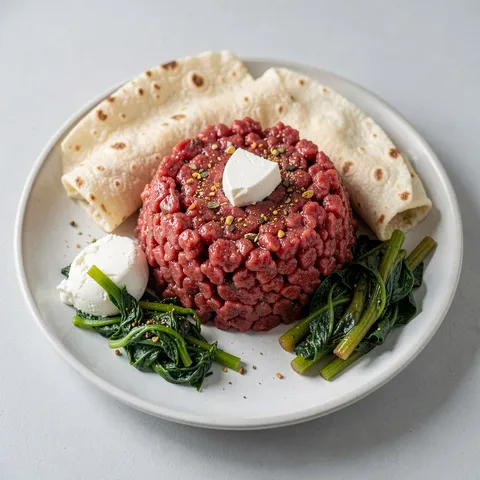 Ethiopian Spiced Beef Tartare30 min · Main course
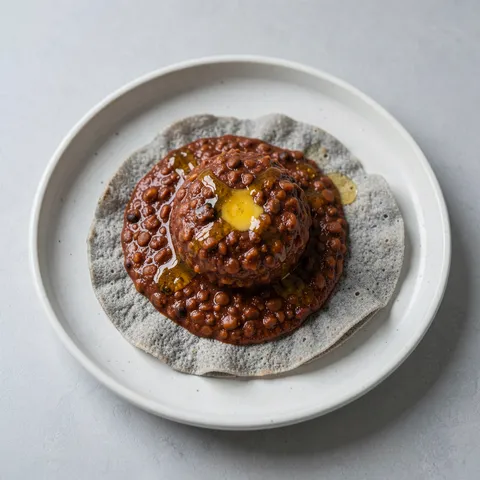 Ethiopian Red Lentil Stew50 min · Main course
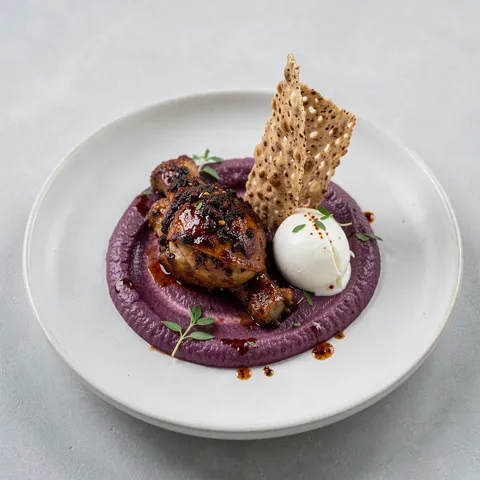 Doro Wat 2.01 hr 15 min · Main course