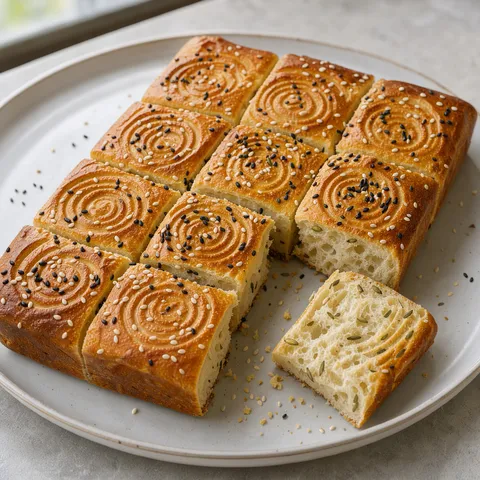
Mahleb Sweet Bread with Nigella and Fennel Corek
A Turkish bread & pastry. Takes 2 hr 10 min, 25×35 cm tin, 12 slices. Difficulty: medium.
At a glance
- Total time
- 2 hr 10 min
- Serves
- 25×35 cm tin, 12 slices
- Difficulty
- Medium
- Cuisine
- Turkish cuisine
- Dish type
- Bread & pastry
- Allergens
- Gluten, Milk, Eggs, Sesame
Ingredients
Dough
- 500 g plain flour
- 7 g fast-action dried yeast (about 1 tsp)
- 1 tsp salt
- 1 tsp sugar
- 120 g clarified butter (ghee, or melted butter)
- 120 ml milk
- 100 ml lukewarm water
- 2 tsp nigella seeds
- 1 tsp ground mahlab
- 1 tsp fennel seeds (mayana, crushed)
Topping
- 1 egg yolk
- 1 tbsp milk
- 2 tbsp sesame seeds
Equipment
- Baking tray
- Oven
- Baking paper
- Mixing bowls
- Pastry brush
- Tongs (optional)
Method
- Mix the dry ingredients: Put the flour, yeast, salt, sugar, mahlab, nigella seeds and crushed fennel in a large bowl and mix. Crushing the mahlab and fennel releases their aromas. Place the yeast and salt in separate corners so the yeast does not come into direct contact with the salt
- Knead the dough: Combine the milk and lukewarm water. Add the liquid and 60 g melted ghee to the flour. Knead for 8 min, until the dough is smooth, elastic and slightly oily. It should not stick to your hand or the bowl, and if it does, add 1 tbsp flour
- Work in the fat by folding: Add the remaining 60 g ghee to the dough a little at a time. Spread the dough out on the work surface, brush with the fat and fold in thirds, then spread out and fold again. Do this 3 times. The folding distributes the fat evenly through the dough and forms a rich structure that delays staling
- Prove: Put the dough in an oiled bowl, cover and leave in a warm place for 60 min, until doubled in size. The dough is ready when it springs back slowly when pressed with a finger
- Shape and decorate: Knock back the dough and spread it in a 25×35 cm tray lined with baking paper, with the edges level with the tray. Decorate the surface with a pattern using the rim of a glass, the back of a spoon or a fork. The pattern is an important part of the look of the corek, and it also balances the puffing as it bakes
- Second prove: Cover the tray and leave for 10 min. Let the dough puff up slightly, but for a short enough time not to erase the patterns
- Prepare the surface: Preheat the oven to 190°C. Whisk the egg yolk with the milk. Brush it over the surface with a pastry brush and sprinkle with the sesame seeds. The yolk gives the corek a shiny, deep golden surface
- Bake: Bake the corek on the middle shelf for 25 min, until the top is deep golden and the base is firm and golden. The base should come out sturdy, with a thin crisp layer and a soft inside
- Cool and serve: Cool on a wire rack for 10 min and cut into 12 pieces. Thanks to its rich dough, the corek does not go stale for days. Serve with tea or cheese
Chef's note
Diyarbakir corek, in the Culture Portal recipe, is a corek kneaded with flour, plenty of fat, nigella seeds, mahlab and mayana (fennel), in which the fat is worked into the dough by folding, the surface is patterned and which does not go stale quickly. The source quantities are for nearly 1 kg of flour, and here they are brought down to 500 g. Clarified butter is traditional as the fat, and butter also gives a good result.
Frequently asked questions
- Why does this Corek stay fresh for days?
- The enriched dough keeps it soft for days. The ghee is folded into the dough so it spreads evenly and gives a dense crumb.
- Why crush the mahlab and fennel seeds?
- Crushing them releases their aroma. The crushed fennel is mixed into the dough together with the yeast.
- Why mark a pattern on top of the Corek?
- The pattern is part of the classic look and also keeps the dough from puffing unevenly as it bakes. Use the rim of a glass, the back of a spoon or a fork.
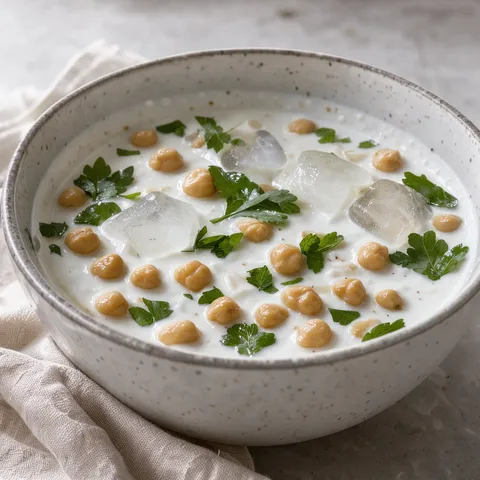 Chilled Wheat Yoghurt Soup1 hr · Soup
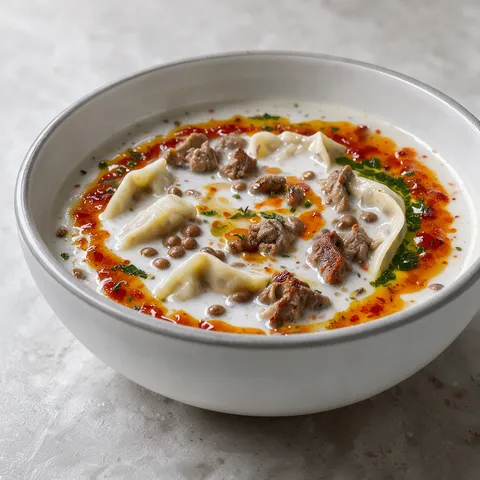 Noodle and Yoghurt Soup1 hr 10 min · Soup
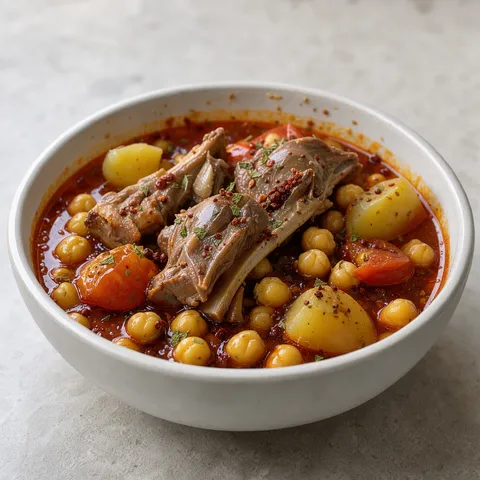 Lamb, Chickpea and Potato Stew1 hr 15 min · Soup
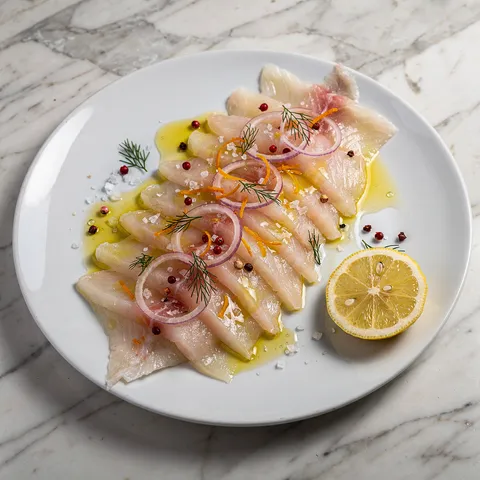 Marinated Sea Bass30 min · Meze
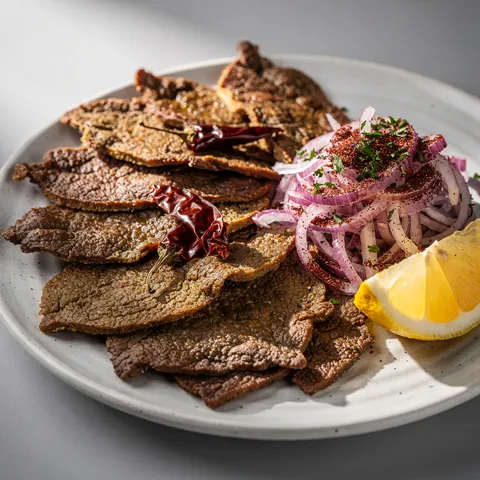 Crispy Fried Liver Slices25 min · Meze
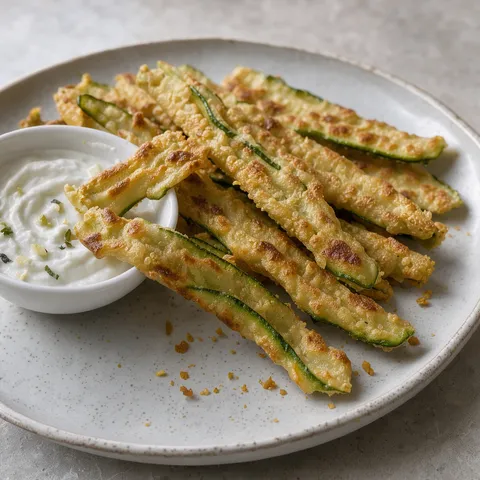 Courgette Crisps30 min · Meze