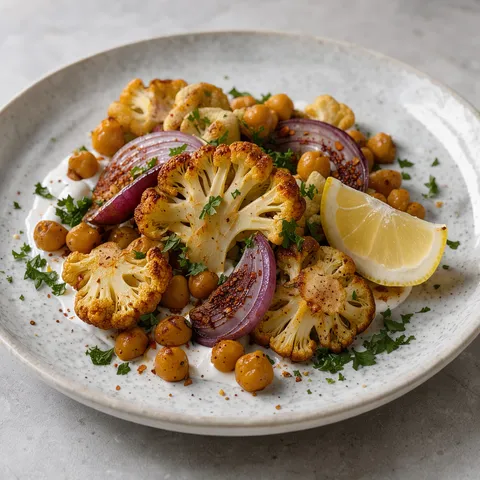
Roast Cauliflower and Chickpeas Firinda Karnabahar ve Nohut
A Turkish main course. Takes 29 min, Serves 4. Difficulty: easy.
At a glance
- Total time
- 29 min
- Serves
- Serves 4
- Difficulty
- Easy
- Cuisine
- Turkish cuisine
- Dish type
- Main course
- Diet
- Vegetarian
- Allergens
- Gluten, Milk
Ingredients
Tray
- 1 large cauliflower (about 900 g)
- 2 tins (400 g) chickpeas
- 1 large red onion
- 4 tbsp olive oil
- 1 tbsp sumac
- 1 tsp Aleppo pepper
- 1 tsp cumin
- 2 tsp salt
- 1/2 tsp black pepper
Yoghurt
- 250 g strained yoghurt
- 1 garlic clove
- 1 tbsp lemon juice
- 1/4 tsp salt
To serve
- 1 lemon
- 2 tbsp chopped flat-leaf parsley
- 4 slices of bread
Equipment
- Baking tray
- Oven
- Mixing bowls
- Colander
- Chopping board
- Chef's knife
- Wooden spoon / spatula
Method
- Heat the oven and cut the cauliflower: Set the oven to 240°C and leave to heat, and it will be hot by the time the preparation is done (about 10 min). Trim off the leaves and tough stalk of the cauliflower and cut the florets into slices 1.5 cm thick, using the small pieces that fall apart too. This thickness browns the edges and softens the inside in 16 min, while large pieces burn on the outside and stay firm inside. (~6 min)
- Slice the onion and season: Cut the red onion into half-moons 1 cm thick. In a large bowl, toss the cauliflower and onion by hand with 3 tbsp of olive oil, the sumac, Aleppo pepper, cumin, 1.5 tsp of salt and the pepper. Coating every surface with oil and spices makes the browning even, and any edge left dry burns. (~3 min)
- Arrange on the tray: Spread the cauliflower and onion on the tray in a single layer, without overlapping and with a finger's gap between them. Crowded vegetables stew in their own steam instead of browning. (~1 min)
- First roast: Slide the tray onto the middle shelf of the 240°C oven and roast for 8 min. Meanwhile rinse the chickpeas in a colander under cold water, dry thoroughly with kitchen paper and mix in a bowl with 1 tbsp of olive oil and 1/2 tsp of salt, and crush the garlic with the flat of a knife and mix into the yoghurt with the lemon juice and 1/4 tsp of salt. The liquid from tinned chickpeas is starchy, and if they are not dried they steam on the tray and are not crisp. The edges of the cauliflower should start to brown. (~8 min)
- Add the chickpeas: Take the tray out of the oven with oven gloves, scatter the chickpeas between the cauliflower, stir once with a wooden spoon, gather into a single layer and slide the tray back in for another 7 min. The edges of the cauliflower should be deep golden and the chickpeas lightly crisp with split skins. (~8 min)
- Finish with lemon: Take the tray out of the oven, squeeze over half a lemon and rest for 1 min. Lemon on the hot vegetables combines with the oil, and the chickpeas and cauliflower soak up the dressing. (~1 min)
- Plate: Put 3 spoonfuls of yoghurt on each plate and spread with the back of a spoon, pile the cauliflower, onion and chickpea mix from the tray on top and sprinkle with the parsley and a pinch of sumac. Slice the remaining lemon and serve hot with bread. (~2 min)
Chef's note
Roast cauliflower is a vegetable dish often made in Turkish home cooking and usually eaten with yoghurt. Here it is turned into a meal with chickpeas and sumac onions. Ovens heat differently: do not take the cauliflower out before its edges have darkened, and if needed leave it 2 min longer after adding the chickpeas. If it does not fit on one tray, use two trays. It is vegetarian, and leaving out the yoghurt and using a tahini and lemon sauce makes it vegan.
Frequently asked questions
- Why does roast cauliflower steam instead of browning?
- Crowded vegetables steam in their own moisture. Spread the cauliflower in a single layer on the tray with gaps between the pieces.
- Why dry the tinned chickpeas for the tray?
- The liquid from tinned chickpeas is starchy. If they aren't dried it steams off in the tray and stops them crisping.
- Why slice the cauliflower 1.5 cm thick?
- This thickness browns the edges and softens the centre. Large chunks burn outside while staying firm inside.
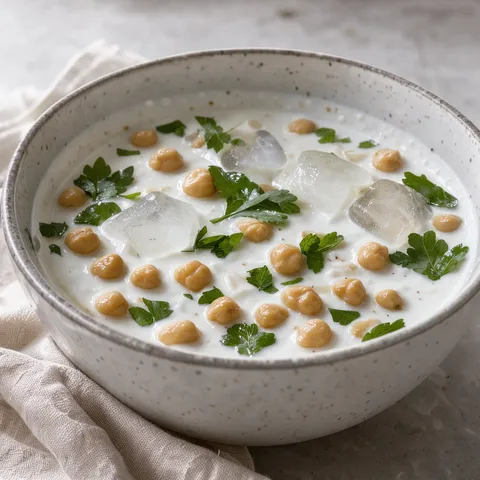 Chilled Wheat Yoghurt Soup1 hr · Soup
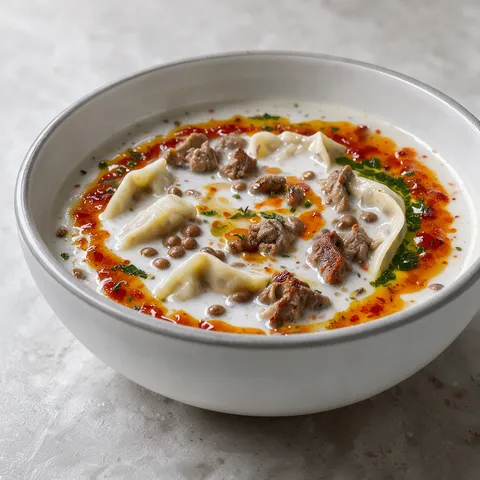 Noodle and Yoghurt Soup1 hr 10 min · Soup
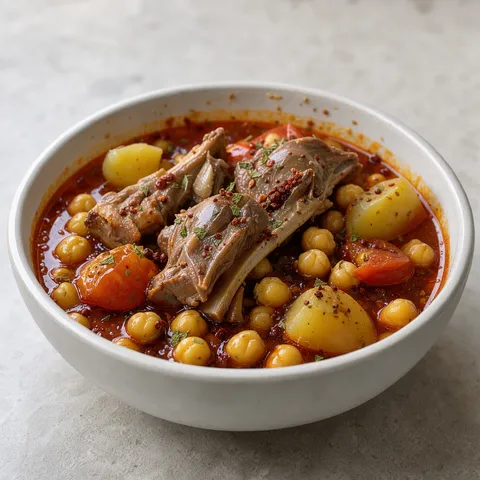 Lamb, Chickpea and Potato Stew1 hr 15 min · Soup
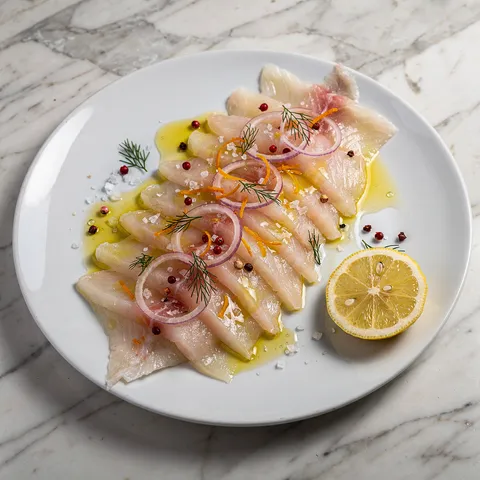 Marinated Sea Bass30 min · Meze
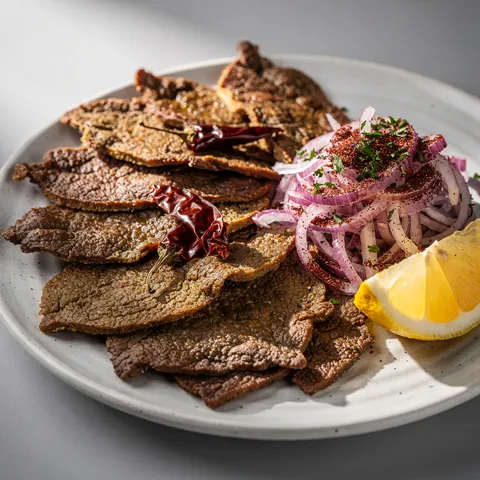 Crispy Fried Liver Slices25 min · Meze
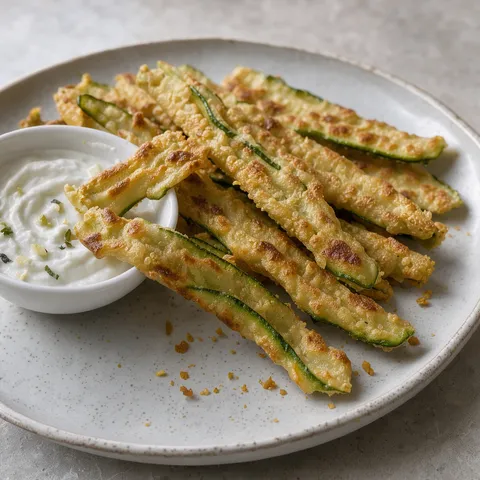 Courgette Crisps30 min · Meze