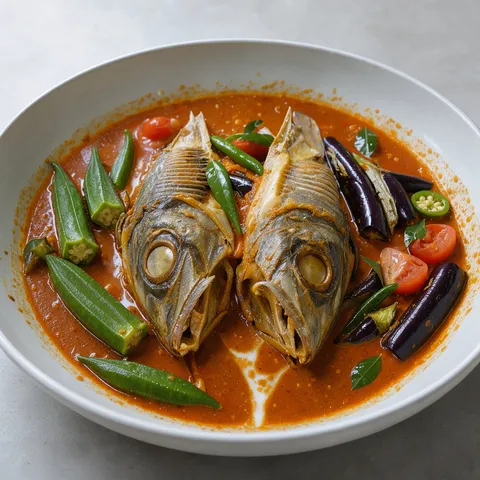
Singapore-Style Tamarind Fish Curry Fish Head Curry
A Singaporean main course. Takes 1 hr 10 min, Serves 4. Difficulty: medium.
At a glance
- Total time
- 1 hr 10 min
- Serves
- Serves 4
- Difficulty
- Medium
- Cuisine
- Singaporean cuisine
- Dish type
- Main course
- Diet
- Gluten-free
- Allergens
- Milk, Fish, Crustaceans, Tree nuts, Mustard, Sulphites
Ingredients
Fish
- 1.2 kg fish heads (grouper, sea bass or salmon, 2-3 heads, halved by the fishmonger) or 800 g thick bone-in fish steaks
- 1 tsp salt
- 1/2 tsp ground turmeric
Curry paste
- 2 tbsp ground coriander
- 1 tbsp ground cumin
- 1 tsp ground fennel
- 2 tsp hot chilli powder
- 1 tsp sweet paprika
- 1/2 tsp ground turmeric
- 4 tbsp water
Tamarind water
- 40 g tamarind
- 400 ml hot water
Vegetables
- 200 g okra (fresh or frozen, ends trimmed)
- 1 aubergine (about 300 g, cut into 6 cm fingers)
- 2 green chillies (slit lengthways)
- 2 tbsp sunflower oil (for the vegetables)
Sauce base
- 4 tbsp sunflower oil
- 1 tsp black mustard seeds
- 1/2 tsp fenugreek seeds
- 2 curry leaf sprigs (about 20 leaves)
- 1 large onion (finely chopped)
- 4 garlic cloves and 30 g ginger (crushed together)
- 3 tomatoes (chopped)
- 300 ml water
- 200 ml unsweetened coconut milk
- 1 tsp sugar
- 1 tsp salt
Equipment
- Mixing bowls
- Fine sieve / chinois
- Sauté pan
- Ladle
Method
- Prepare the fish: Rinse the fish heads in cold water, making sure the gills are completely removed, and rub away any bloody parts with your fingers. Pat dry, rub with 1 tsp salt and the turmeric and leave for 15 min. The turmeric and salt mask any fishy smell and stop the skin breaking up in the sauce
- Make the tamarind water and curry paste: While the fish stands, soak the tamarind in the 400 ml hot water for 10 min, mash it with your fingers and press it through a fine sieve, discarding the seeds and fibres. Mix the ground spices with the 4 tbsp water in a bowl to a thick paste. A wet paste does not burn as it fries, whereas dry ground spices darken within seconds
- Pre-cook the vegetables: Heat the 2 tbsp oil in a 28 cm deep sauté pan over medium-high heat. Toss the aubergine fingers and okra for 5 min, until browned in places, then transfer to a plate. Frying the okra first reduces its sliminess, and the aubergine does not fall apart in the sauce
- Make the tadka: Heat the 4 tbsp oil in the same pan over medium heat and add the mustard seeds. When they start to pop, add the fenugreek seeds and curry leaves and let them sizzle for 20 sec. Fenugreek turns bitter very quickly, so move on to the next step as soon as it darkens
- Cook the onion: Add the onion and cook for 8 min, stirring, until pale golden. Add the garlic-ginger paste and stir for another 2 min, until it loses its raw smell
- Fry the paste: Add the curry paste and fry for 4-5 min, stirring constantly so it does not stick to the bottom. The spices are cooked when the oil separates from the paste and forms a red ring at the edges. Add the chopped tomatoes and cook for 5 min, until they break down into the sauce
- Start the sauce: Add the tamarind water, the 300 ml water, the sugar and 1 tsp salt. Bring to the boil and cook over medium-low heat for 10 min. The sauce should be sour, hot and slightly sweet, so taste and adjust the balance
- Cook the fish: Place the fish heads in the sauce and arrange the pre-cooked vegetables and green chillies between them. Cover and cook over low heat for 12-15 min. Do not turn the fish, as the head bones are fragile. Instead, ladle the sauce over every 4-5 min. It is ready when the eye turns white and pops out and the cheek meat comes away easily from the bone
- Finish with coconut milk: Drizzle the coconut milk all over the sauce, swirl the pan gently to mix and heat for 3 min without boiling. Taste for salt
- Serve: Bring the pan straight to the table or transfer the fish with the vegetables and plenty of sauce to a large, deep bowl. Serve hot
Chef's note
Fish head curry is said to have originated in restaurants run by Singapore's communities of Indian origin and to have been quickly adopted by Chinese and Malay cooks as well. Red snapper heads are usually used in Singapore, and grouper, sea bass or salmon heads, which are easy to find at fishmongers, give good results. For anyone who prefers not to eat the head, the same sauce cooks thick bone-in fish steaks in 8-10 min. Curry leaves are available in Indian and Asian shops, or replace them with 2 bay leaves. Serve with plain rice. Coconut milk is traditionally bought ready-made.
Frequently asked questions
- What can I use if I can't find fish heads?
- The recipe suggests 800 g thick bone-in fish steaks. If you use fish heads, ask the fishmonger to halve them and make sure the gills are removed completely.
- What do you do to stop the okra turning slimy?
- The okra is first fried with the aubergine in oil for 5 minutes, turning until it is lightly browned in places. Frying the okra beforehand reduces the sliminess.
- Why aren't the fish heads turned while cooking?
- The bones of the heads are fragile. Instead, spoon the sauce over the fish every 4-5 minutes.
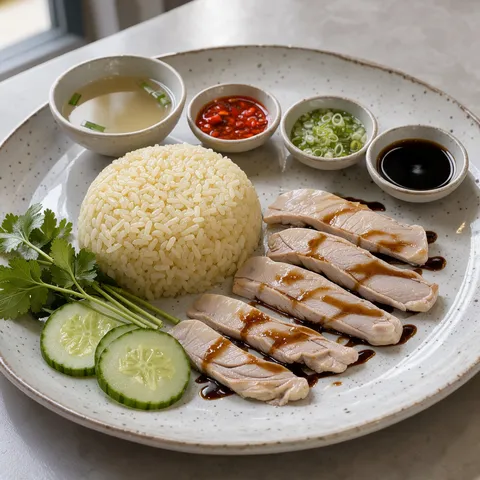 Poached Chicken with Rice1 hr 25 min · Main course
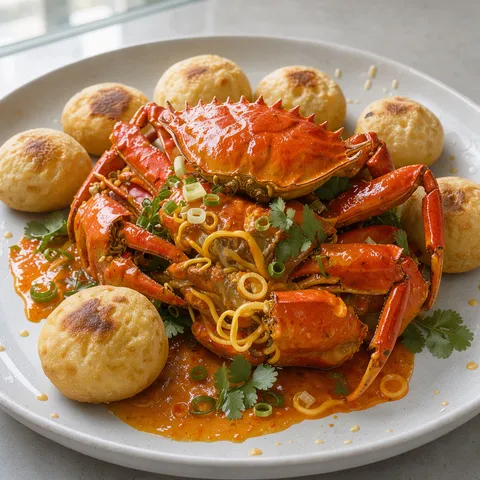 Crab in Spicy Tomato Sauce with Fried Mantou1 hr 30 min · Main course
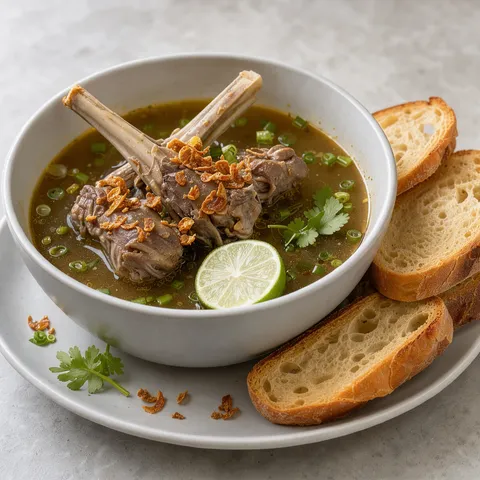 Spiced Lamb Soup2 hr 30 min · Soup
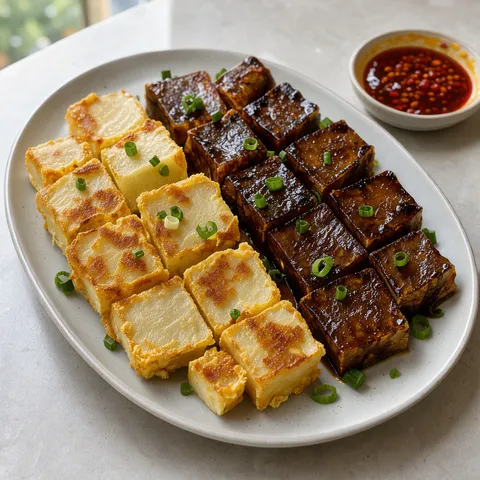 Fried Radish Cake, White and Black1 hr 30 min · Starter
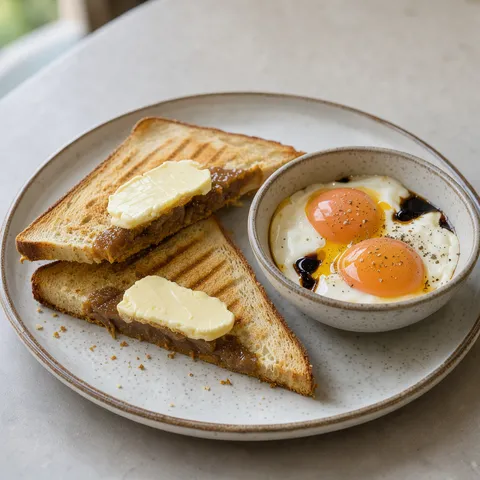 Coconut Jam Toast with Soft-Boiled Eggs1 hr 10 min · Bread & pastry
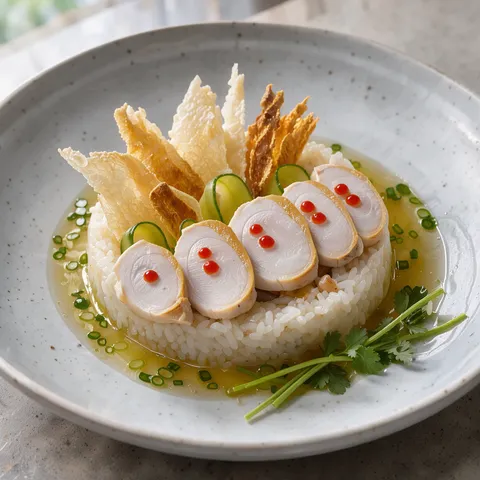 Hainanese Chicken Rice 2.01 hr 25 min · Main course