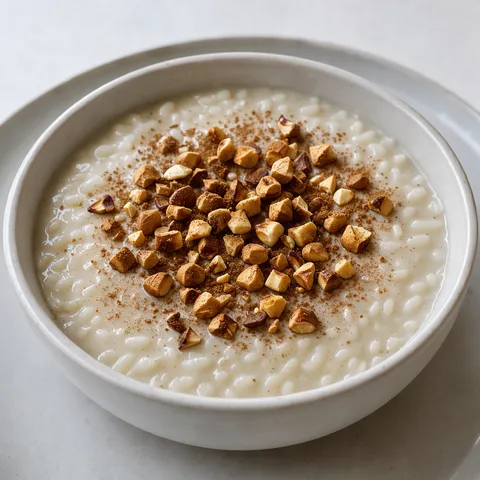
Hazelnut Rice Pudding Sutlac
A Turkish dessert. Takes 1 hr 25 min · +2 hr 20 min chilling, Serves 4. Difficulty: medium.
At a glance
- Total time
- 1 hr 25 min · +2 hr 20 min chilling
- Serves
- Serves 4
- Difficulty
- Medium
- Cuisine
- Turkish cuisine
- Dish type
- Dessert
- Diet
- Gluten-free
- Allergens
- Milk, Tree nuts
Ingredients
Rice pudding
- 100 g baldo rice
- 300 ml water
- 1.5 litres whole milk (the freshest milk, ideally same-day)
- 130 g caster sugar
- a pinch of salt
Topping
- 60 g hazelnuts
- 1/2 tsp cinnamon (optional)
Equipment
- Fine sieve / chinois
- Heavy-based saucepan
- Wooden spoon / spatula
- Frying pan
- Chef's knife
- Chopping board
- Ladle
- Mixing bowls
Method
- Rinse the rice: Rinse the rice in a fine sieve under cold water 3-4 times, until the water runs clear. The powdery starch on the surface gives the pudding a raw, stodgy taste, and in Hamsikoy rice pudding the consistency comes only from the rice's own starch released by long cooking
- Boil the rice: Bring the rice to the boil with the 300 ml water in a heavy-based 3 litre saucepan, then cook uncovered over low heat for 12-15 min, until the water is completely absorbed and the grains are soft. Rice cooked in water first breaks down faster in the milk, which shortens the time the milk can catch on the bottom
- Add the milk: Add the milk to the rice and bring to the boil over medium heat, scraping the bottom with a wooden spoon. As soon as the milk starts to rise, lower the heat so it does not boil over
- Slow-cook: Cook uncovered over low heat for 40-45 min. Stir every 3-4 min for the first 20 min, then more often as it thickens, scraping the bottom and sides. The rice should break down and burst, and the milk should reduce by about a third and turn cream-coloured. A thin layer stuck to the bottom gives a burnt taste, so press the spoon against the base as you stir
- Add the sugar: Add the sugar and salt and cook for another 8-10 min, stirring. Sugar added too early toughens the rice and increases the risk of the milk burning. The pudding should thinly coat the back of a spoon: it looks runny while hot but thickens as it cools
- Toast the hazelnuts: While the pudding cooks, toast the hazelnuts in a dry frying pan over medium heat for 5-6 min, shaking the pan. Once cool enough to handle, rub them between your palms to remove the skins and roughly chop with a knife on a chopping board
- Spoon into bowls: Ladle the hot pudding into 4 bowls. Leave uncovered at room temperature for 20 min so a thin skin forms on the surface, then chill in the fridge for at least 2 hr
- Serve: Scatter the chopped hazelnuts generously over the cold pudding, add a light dusting of cinnamon if you like and serve
Chef's note
Hamsikoy sutlac is said to have been made for about a century in Hamsikoy, in the Macka district of Trabzon, and it is registered as a protected geographical indication. Its distinguishing feature is that no starch or rice flour is used: the consistency comes only from long-cooked rice. Much of the local flavour comes from the milk of the high pastures, so choose the richest, freshest milk you can find. In some places the pudding is baked in its bowls until browned on top. Hazelnuts from Giresun or Ordu complete the flavour.
Frequently asked questions
- Why is the rice boiled in water first?
- Rice cooked in water first softens faster in the milk, so the milk spends less time catching on the bottom.
- How do I stop the rice pudding catching on the bottom?
- Stir while scraping the base and sides. The thin layer that sticks gives a burnt taste, so press the spoon against the bottom as you stir.
- Why is the sugar added later?
- Sugar added early toughens the rice and raises the risk of the milk catching. Add the sugar once the rice has swollen and cook for 8-10 minutes more.
 Hazelnut Rice Pudding 2.01 hr 15 min · Dessert
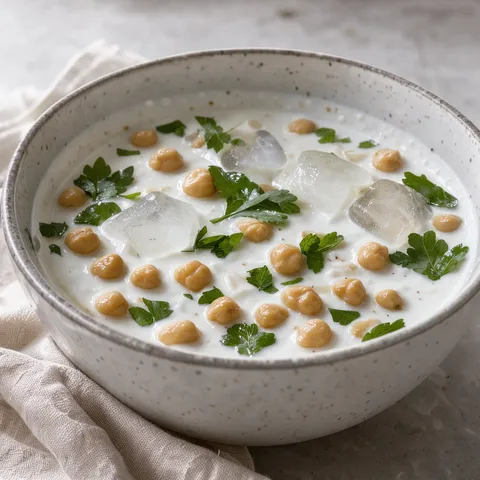 Chilled Wheat Yoghurt Soup1 hr · Soup
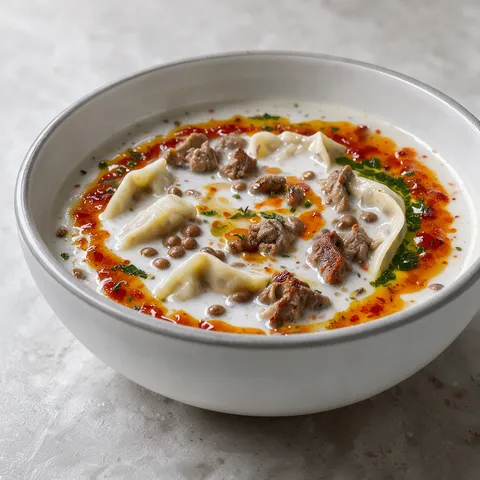 Noodle and Yoghurt Soup1 hr 10 min · Soup
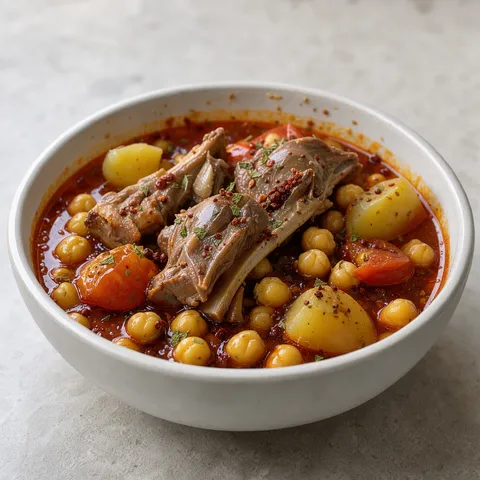 Lamb, Chickpea and Potato Stew1 hr 15 min · Soup
 Marinated Sea Bass30 min · Meze
 Crispy Fried Liver Slices25 min · Meze
 Courgette Crisps30 min · Meze