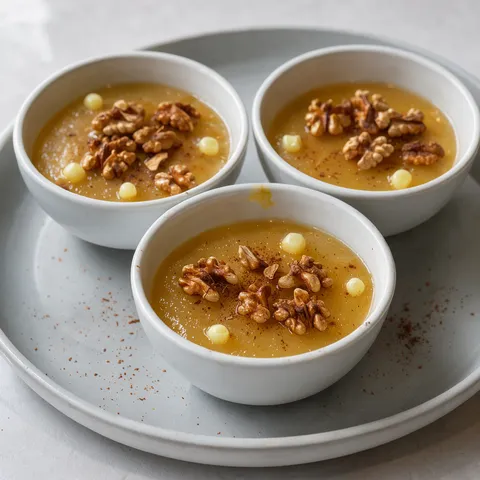
Brown Butter Pudding Hasude
A Turkish dessert. Takes 35 min, Serves 4. Difficulty: medium.
At a glance
- Total time
- 35 min
- Serves
- Serves 4
- Difficulty
- Medium
- Cuisine
- Turkish cuisine
- Dish type
- Dessert
- Diet
- Vegetarian
- Allergens
- Gluten, Milk, Tree nuts
Ingredients
Hasude
- 90 g wheat starch
- 1 tbsp plain flour
- 900 ml water
- 160 g caster sugar
- 80 g butter
Topping
- 50 g walnuts
- 1/2 tsp cinnamon
- 1 tbsp butter
Equipment
- Saucepan
- Mixing bowls
- Balloon whisk
- Heavy-based saucepan
- Frying pan
Method
- Make the sugar water: Heat 700 ml of the water with the sugar in a saucepan over medium heat, stirring until the sugar dissolves. Don't boil it: it only needs to be warm, with the sugar dissolved. Take off the heat
- Slake the starch: Put the starch and flour in a bowl and gradually whisk in the remaining 200 ml cold water to a lump-free liquid the consistency of milk. Starch only dissolves without lumps in cold water: added straight to hot water, it clumps immediately
- Combine: If the slaked starch has settled in the bowl, whisk it once more, then whisk it into the warm sugar water. The mixture should be a cloudy white, runny liquid
- Brown the butter: Melt the butter in a heavy-based saucepan over medium heat. Heat for 3-4 min, until the foam subsides and the milk solids on the bottom turn light brown and smell nutty. The colour and aroma of hasude come from this butter, but it turns bitter if it burns, so move on to the next step as soon as it starts to darken
- Cook: Slowly pour the starchy sugar water into the pan over the butter, whisking non-stop. The butter sizzles at first: don't be alarmed. Cook over medium-low heat for 12-15 min, stirring constantly. The mixture, cloudy and watery at first, thickens and then becomes translucent, glossy and flowing like a jelly. When you draw a spoon across the bottom of the pan it should leave a trail, and the butter should separate slightly at the edges. The raw starch taste should be completely gone, so taste to make sure
- Prepare the walnuts: While the hasude cooks, warm the walnuts in a dry pan for 2 min, until fragrant, and break them roughly by hand
- Spoon into bowls: Divide the hot hasude between serving bowls and wipe the rims clean. Smooth the surface with the back of a spoon
- Plate: Melt the 1 tbsp butter and drizzle a few drops into the centre of each bowl, then scatter with the walnuts and a pinch of cinnamon. Hasude is eaten hot or warm: as it cools, it sets to a sliceable jelly
Chef's note
Hasude, or hasuta, is an old, simple dessert of Erzurum and Eastern Anatolia. It is said to have been cooked for new mothers and the sick to help them regain their strength. Some households use mulberry or grape molasses instead of sugar, in which case make the sugar water with the molasses and reduce the sugar to 100 g. You can also chill the hasude, turn it out of a mould and serve it in slices.
Frequently asked questions
- Why does hasude go lumpy?
- Starch only dissolves without lumps in cold water. If it goes straight into hot water it lumps at once, so first loosen it with 200 ml cold water to the consistency of milk.
- How can I tell the hasude is cooked?
- The mixture turns translucent and glossy and flows like jelly. A spoon drawn through should leave a trail on the bottom of the pan, and there should be no raw starch taste.
- What should I watch for when browning the butter?
- Move on to the next step when the milk solids turn light brown and smell nutty. If the butter burns it turns bitter, and the colour and aroma of the hasude come from this butter.
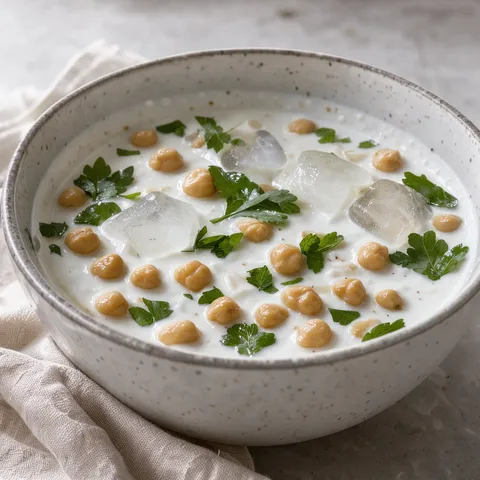 Chilled Wheat Yoghurt Soup1 hr · Soup
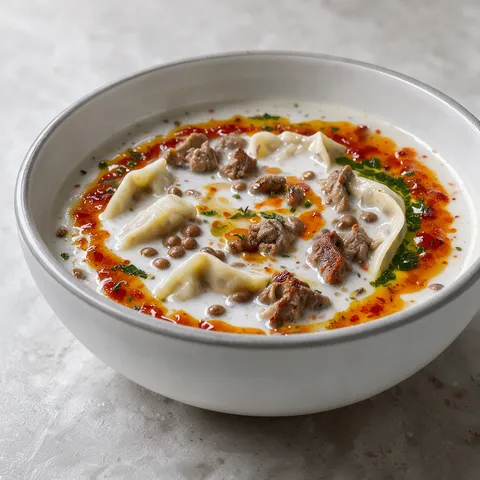 Noodle and Yoghurt Soup1 hr 10 min · Soup
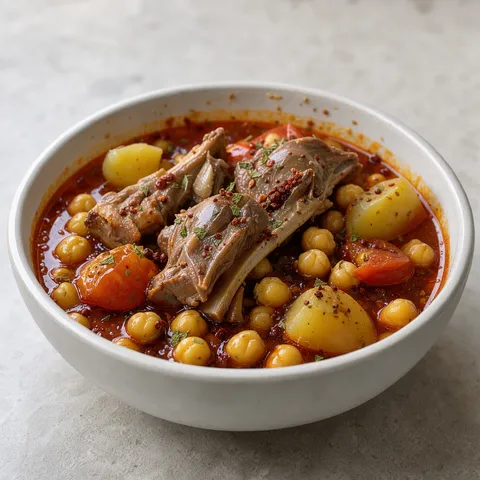 Lamb, Chickpea and Potato Stew1 hr 15 min · Soup
 Marinated Sea Bass30 min · Meze
 Crispy Fried Liver Slices25 min · Meze
 Courgette Crisps30 min · Meze