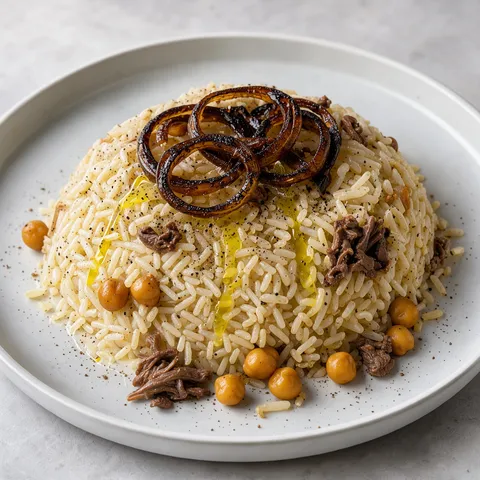
Wedding Rice with Chickpeas Kabune Pilavi
A Turkish main course. Takes 1 hr 55 min (with a pressure cooker, ordinary pan: ~2 hr 40 min) · +overnight soaking of the chickpeas, Serves 4. Difficulty: medium.
At a glance
- Total time
- 1 hr 55 min (with a pressure cooker, ordinary pan: ~2 hr 40 min) · +overnight soaking of the chickpeas
- Serves
- Serves 4
- Difficulty
- Medium
- Cuisine
- Turkish cuisine
- Dish type
- Main course
- Diet
- Gluten-free
- Allergens
- Milk, Celery
Ingredients
Meat and chickpeas
- 600 g beef neck on the bone (or lamb shoulder)
- 100 g dried chickpeas (soaked overnight in plenty of water)
- 1.5 litres cold water
- 1 onion (halved)
- 1 bay leaf
- 1 tsp salt
Pilaf
- 400 g baldo rice
- 2 onions (one sliced into rings, one finely chopped)
- 60 g butter (preferably sheep's milk butter)
- 650 ml hot stock
- 1 tsp salt
- 1 tsp black pepper
To serve
- 1/2 tsp black pepper
- 1 tbsp butter
Equipment
- Pressure cooker
- Ladle
- Mixing bowls
- Fine sieve / chinois
- Colander
- Heavy-based saucepan
- Chef's knife
- Chopping board
- Frying pan
- Silicone spatula
- Saucepan (optional)
Method
- Cook the meat and chickpeas: Drain the chickpeas. Put the meat, chickpeas, halved onion, bay leaf and cold water in the pressure cooker and bring to the boil with the lid off. Skim off all the grey scum that rises with a ladle, then add the salt, close the lid and, once steam starts to escape, cook over low heat for 35 min. Turn off the heat and wait 10 min for the pressure to drop naturally. In an ordinary pan this step takes 1 hr 30 min. It's done when the chickpeas crush between your fingers and the meat comes away from the bone
- Soak the rice: While the meat cooks, wash the rice 3-4 times, until the water runs clear. Leave in lukewarm salted water for 20 min and drain. Soaked rice cooks evenly and the grains don't break
- Shred the meat: Lift the meat out of the pan, remove the bones and sinew and shred by hand into medium strands. Drain the chickpeas in a colander. Pass the stock through a fine sieve, measure 650 ml for the pilaf and keep hot
- Onion bed: Spread 20 g butter over the base of a wide heavy-based saucepan. Arrange the onion rings over the base in a single layer, touching each other. In Isparta onion rings are laid in the bottom of tin-lined copper cauldrons: the onion protects the bottom of the pilaf from burning and forms a sweet, caramelised layer underneath
- Fry the mixture: Melt 30 g butter in a separate frying pan and fry the finely chopped onion for 6-7 min, until translucent and lightly coloured. Add the shredded meat and chickpeas and stir for 3 min to coat them in the butter. Stir in the black pepper
- Toast the rice: Add the drained rice to the mixture and stir gently for 2-3 min, until the grains glisten with butter and start to catch slightly on the bottom of the pan. Spread this mixture evenly over the onion rings without disturbing them
- Cook the pilaf: Pour the hot stock and the salt in around the edge and put the remaining 10 g butter on top. Bring to the boil over medium heat, then turn the heat to the lowest setting, cover and cook for 18 min, until the liquid is completely absorbed and small holes appear on the surface. Don't lift the lid or stir while it cooks
- Steam off the heat: Turn off the heat, stretch a clean tea towel under the lid and leave to steam for 15 min. The cloth absorbs the steam, so the grains stay separate and firm
- Plate: Spoon the pilaf onto a large serving plate in a heaped dome. Lift the caramelised onion rings from the bottom of the pan with a spatula and arrange them on top of the pilaf. To serve, drizzle a spoonful of sizzling butter over the top and sprinkle with black pepper. Serve hot with ayran and pickles
Chef's note
Kabune is Isparta's wedding pilaf and has registered geographical indication status. At weddings it is cooked with sheep's milk butter in large copper cauldrons, on onion rings laid in the bottom of the cauldron. At home you can get the same effect with a heavy-based saucepan. If you forgot to soak the chickpeas, leave the dried chickpeas in boiling water for 1 hr and extend the pressure-cooker time by 10 min. Pistachios and currants are generally not part of the original kabune.
Frequently asked questions
- Why are onion rings laid under the kabune pilaf?
- A single layer of onion rings on the base of the pot protects the rice from catching. It forms a sweet, caramelised layer below, which is placed on top of the pilaf when serving.
- How do I keep the rice grains firm?
- Wash the rice and soak it in warm salted water for 20 minutes. After cooking, stretch a cloth under the lid and rest for 15 minutes to absorb the steam and keep the grains separate.
- Why are the chickpeas soaked beforehand?
- Soaked overnight in plenty of water, the chickpeas cook evenly with the meat in a pressure cooker. This takes 35 minutes in a pressure cooker and about 1 hour 30 minutes in an ordinary pot.
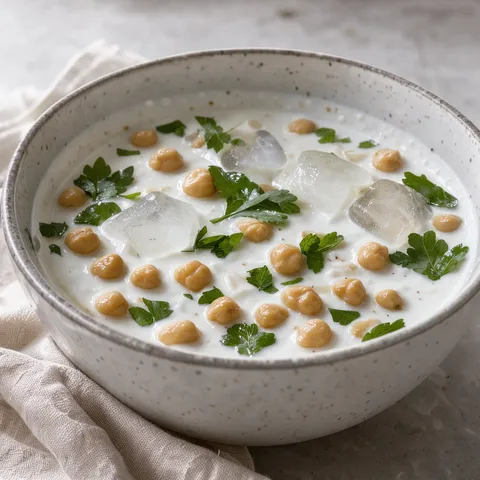 Chilled Wheat Yoghurt Soup1 hr · Soup
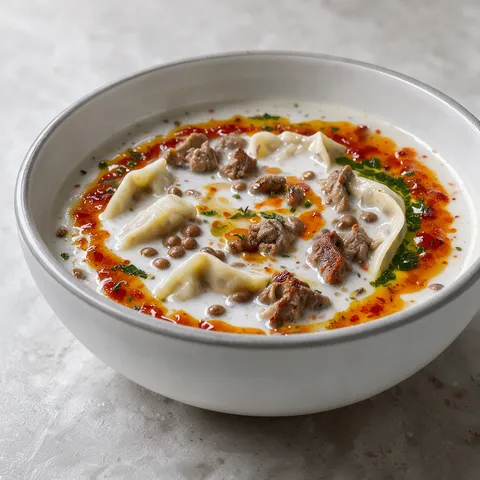 Noodle and Yoghurt Soup1 hr 10 min · Soup
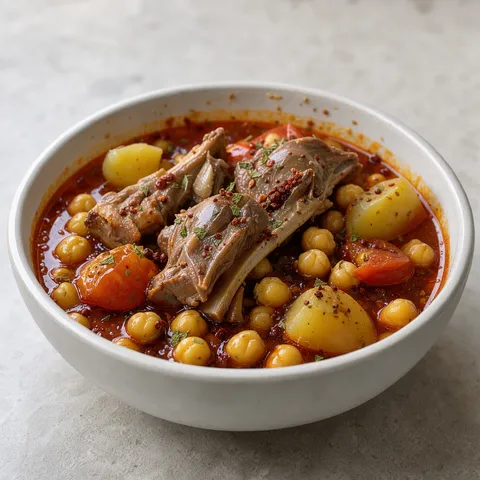 Lamb, Chickpea and Potato Stew1 hr 15 min · Soup
 Marinated Sea Bass30 min · Meze
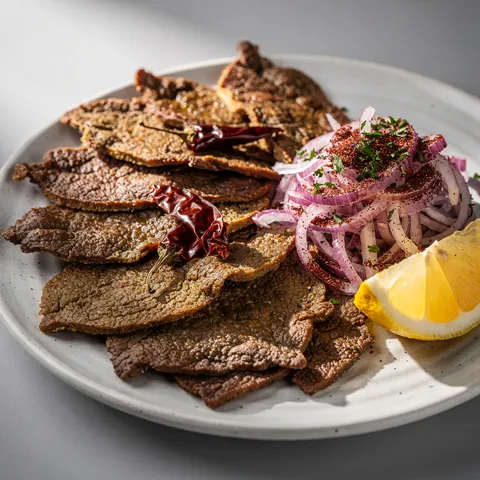 Crispy Fried Liver Slices25 min · Meze
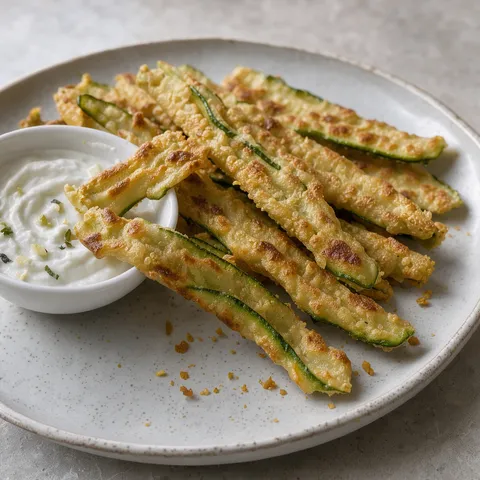 Courgette Crisps30 min · Meze