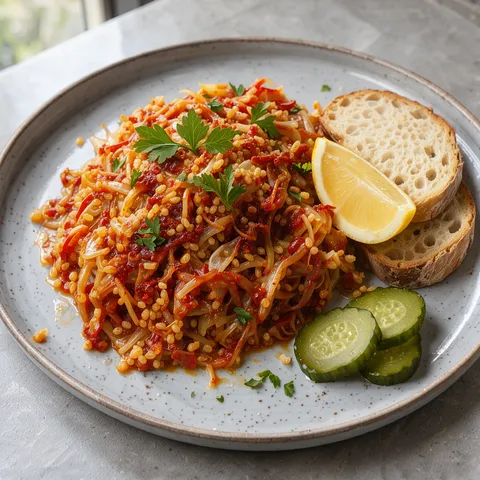
Anatolian-Style Cabbage and Bulgur Stew with Tomato Paste Kapuska
A Turkish main course. Takes 1 hr, Serves 4. Difficulty: medium.
At a glance
- Total time
- 1 hr
- Serves
- Serves 4
- Difficulty
- Medium
- Cuisine
- Turkish cuisine
- Dish type
- Main course
- Diet
- Vegetarian, Vegan
- Allergens
- Gluten
Ingredients
Cabbage
- 900 g white cabbage (about half a large head, tough core removed)
Sauté
- 1 large onion
- 3 garlic cloves
- 4 tbsp sunflower oil
- 1 tbsp tomato paste
- 1 tbsp sweet Turkish red pepper paste
- 2 ripe tomatoes (grated, about 250 g)
Bulgur
- 150 g coarse bulgur
- 200 ml hot water
- 1 tsp sugar
- 1 1/2 tsp salt
- 1 tsp Aleppo pepper
- 1/2 tsp black pepper
To serve
- 1 lemon
- 1 handful of chopped flat-leaf parsley
- 4 slices of bread
- pickles
Equipment
- Heavy-based saucepan
- Chopping board
- Chef's knife
- Box grater
- Mixing bowls
- Wooden spoon / spatula
Method
- Chop the cabbage: Peel off the outer leaves of the cabbage, quarter it, cut out the tough core and discard it. Cut the wedges into thin strips 5 mm wide. If the strips are thin the cabbage softens quickly and cooks at the same time as the bulgur, whereas thickly cut cabbage is still firm when the bulgur turns to mush. Put the shredded cabbage in a large bowl, rub with 1/2 tsp of salt and leave for 5 min, as the salt draws the liquid out of the cabbage and helps it cook faster in the pan (~8 min)
- Soften the onion: Heat the oil in a wide, heavy-based pan over medium heat. Add the onion cut into half-moons and turn for 6 min, and it is ready when translucent and lightly yellow at the edges. Colouring the onion gives the dish a sweetish depth, but it turns bitter if it darkens, so if the heat is too high add 1 tbsp of water. Add the garlic in the last 30 sec, because finely chopped garlic burns quickly (~6 min)
- Fry the pastes: Add the sweet pepper paste and tomato paste to the onion and fry for 2 min, turning constantly with a wooden spoon. When the paste has turned brick-coloured and lost its raw smell, coarsely grate in the tomatoes and add them. Cook for 3 min, until the tomato liquid has gone and the sauce leaves its oil on the surface. Frying the paste in oil softens its sourness and gives the dish a deep colour (~5 min)
- Sauté the cabbage: Squeeze the cabbage in both hands, leaving its liquid in the bowl, and add the strips on top of the sauce. Cook uncovered over medium heat, stirring often, for 12 min. When the cabbage has halved in volume, softened and started to catch slightly at the edges, move on to the bulgur. Add the sugar at this stage to balance the cabbage's slightly bitter taste (~12 min)
- Add the bulgur: Spread the unrinsed bulgur over the cabbage, sprinkle over the Aleppo pepper and pepper and pour in the hot water from the edge. Stir once and adjust the salt by tasting, and the liquid should come almost to the top of the bulgur. Cover, turn the heat to the lowest and cook for 15 min. Do not lift the lid during this time, as the steam cooks the bulgur with separate grains. It is ready when the water has gone and the bulgur has swelled (~15 min)
- Rest: Turn off the heat, lay a clean tea towel over the pan, put the lid on and rest for 10 min. The towel absorbs the steam and stops the bulgur grains sticking together. Chop the parsley and slice the lemon while it rests (~10 min)
- Plate: Gently turn the kapuska over from the bottom with a wooden spoon. Pile it into a deep plate, sprinkle over the parsley and put a lemon wedge alongside. Serve with bread and pickles. Kapuska is eaten hot, and a squeeze of lemon sharpens the sweetness of the cabbage (~4 min)
Chef's note
Kapuska is made with and without meat, and the vegan version with vegetable oil was used here. Cabbage dishes are made widely on the Black Sea, but as no regional record of kapuska could be verified, no region name was put in the title. If you use rice in place of bulgur, reduce the water to 150 ml. It tastes better fried in a pan the next day and keeps for 3 days in the fridge. If you want crumbly bulgur, choose coarse bulgur, as fine bulgur turns to mush.
Frequently asked questions
- Why rub the cabbage with salt for kapuska?
- Salt draws out the cabbage's water so it cooks faster in the pot. Rub the chopped cabbage with 1/2 tsp salt and leave for 5 minutes.
- How do you get fluffy, separate bulgur grains in kapuska?
- Don't lift the lid once the bulgur is in, because the steam cooks the grains separately. Turn the heat to its lowest.
- Why rest the pot with a cloth over it?
- The cloth absorbs steam and stops the bulgur grains sticking together. Turn off the heat and rest for 10 minutes.
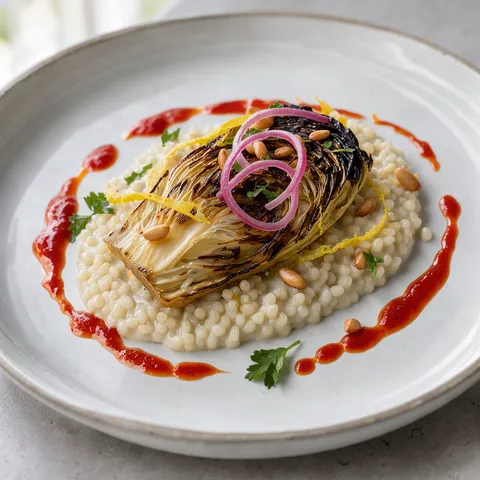 Anatolian-Style Cabbage and Bulgur Stew with Tomato Paste 2.01 hr 17 min · Main course
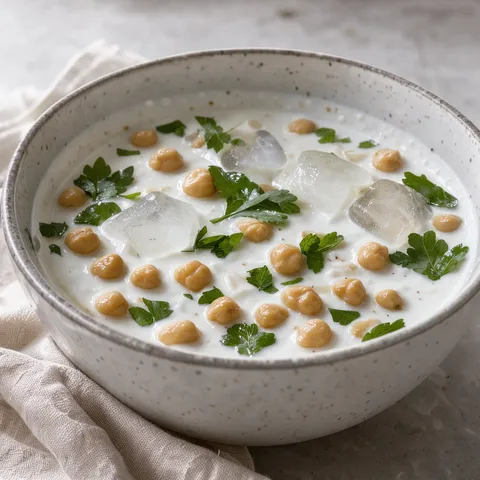 Chilled Wheat Yoghurt Soup1 hr · Soup
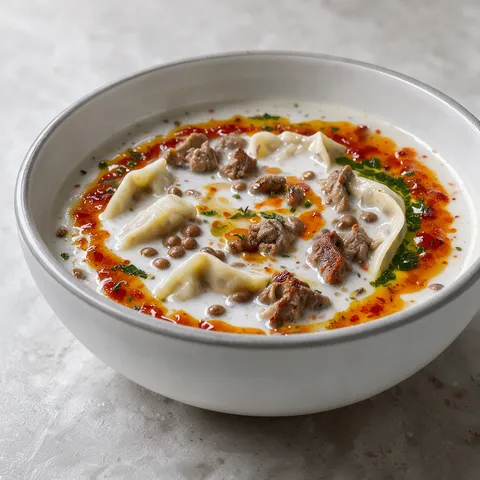 Noodle and Yoghurt Soup1 hr 10 min · Soup
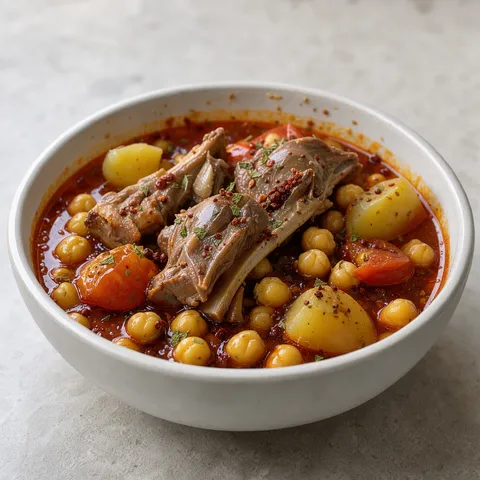 Lamb, Chickpea and Potato Stew1 hr 15 min · Soup
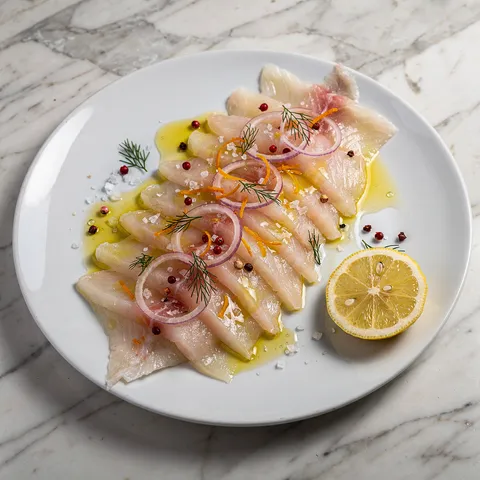 Marinated Sea Bass30 min · Meze
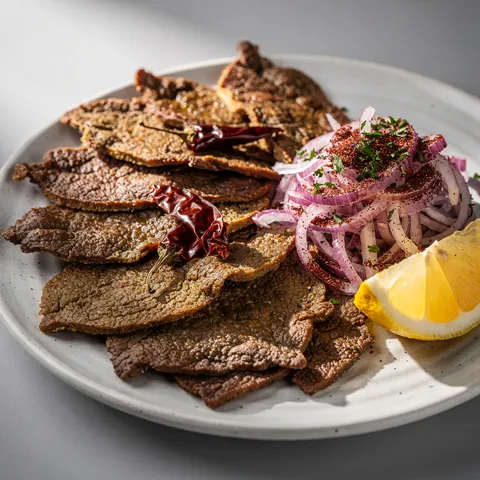 Crispy Fried Liver Slices25 min · Meze
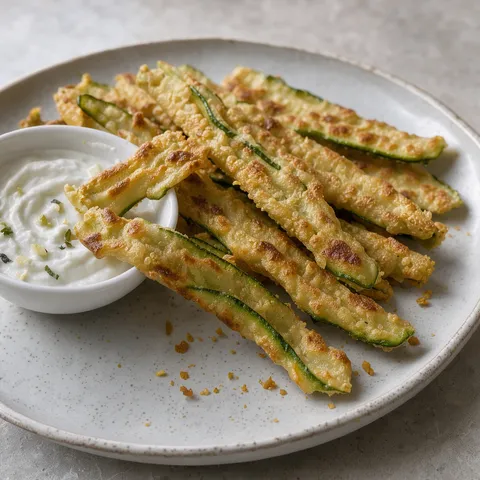 Courgette Crisps30 min · Meze