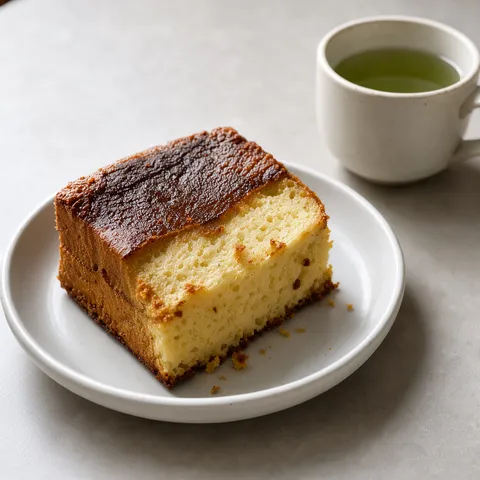
Kasutera Honey and Mirin Sponge
A Japanese patisserie. Takes 1 hr 26 min · +1 hr resting, 15x15 cm tin, 8 slices. Difficulty: challenging.
At a glance
- Total time
- 1 hr 26 min · +1 hr resting
- Serves
- 15x15 cm tin, 8 slices
- Difficulty
- Challenging
- Cuisine
- Japanese cuisine
- Dish type
- Patisserie
- Diet
- Vegetarian
- Allergens
- Gluten, Milk, Eggs
Ingredients
Cake
- 5 large eggs (at room temperature)
- 150 g caster sugar
- 40 g honey
- 1 tbsp mirin
- 1 tbsp milk
- 120 g strong white bread flour
Tin
- 1 square 15×15 cm cake tin or small rectangular tin
- baking paper
Water bath
- hot water (for the baking tray)
Equipment
- Oven
- Cake tin
- Bain-marie bowl
- Baking tray
- Baking paper
- Stand mixer
- Mixing bowls
- Silicone spatula
- Probe thermometer (optional)
Method
- Prepare the tin: Line the base and sides of the tin with baking paper, with the paper standing 3 cm above the tin. The cake rises as it bakes and the paper keeps the sides from collapsing (~5 min)
- Preheat the oven: Preheat the oven to 160°C and put a tray of hot water on the bottom shelf. The steam makes the cake moist with a thin crust (~5 min)
- Warm the honey mixture: Warm the honey, mirin and milk in a small bowl to 40°C, until lukewarm. The warm liquid stops the foam collapsing as it is mixed into the eggs (~2 min)
- Whisk the eggs: Whisk the eggs and sugar in a large bowl over a bain-marie for 2 min until they reach 40°C. Then whisk with a mixer on high speed for 8-10 min, until increased threefold in volume, cream-coloured and at ribbon stage. The mixture falling from the lifted whisk should leave a trail on top for 3 sec (~12 min)
- Add the warm mixture: Turn the mixer to low speed, add the honey mixture in a thin stream and whisk for 1 min more. On high speed the air bubbles become large, while on low speed they stay small and even (~2 min)
- Fold in the flour: Sift in the flour in 3 additions and fold gently from the bottom up with a spatula, using 20 movements each time. If you overmix, the foam collapses and the cake stays dense (~4 min)
- Pour into the tin and release the air: Pour the batter slowly into the tin and tap the tin gently on the worktop 3 times. Pop the large air bubbles on the surface with a skewer. Do not skip this for an even texture (~3 min)
- Bake: Bake in the oven at 160°C for 15 min, and when the top starts to turn golden lower the temperature to 140°C and bake for 35-40 min more. A skewer pushed into the middle should come out clean. The top should be a deep honey colour and the underside slightly sticky (~50 min)
- Rest: Take the tin out of the oven, knock it once on the worktop, then lift the cake out of the tin with the paper. Wrap straight away in cling film and rest at room temperature for 1 hr. Resting evens out the moisture and softens the texture (~60 min)
- Slice and serve: Slice the cake 2 cm thick with a sharp wet knife and trim the edges. Cake rested for a day is softer and sweeter, and green tea goes well with it (~3 min)
Chef's note
Kasutera is the Japanese interpretation of Castella cake, which came to Nagasaki with Portuguese merchants. It contains no fat and rises with egg and sugar. Strong bread flour keeps the batter dense, and if you use plain flour it will be softer. Honey and mirin are traditional additions.
Frequently asked questions
- What is kasutera?
- Kasutera is a dense, moist sponge cake made with eggs, sugar, honey and flour, brought to Nagasaki by Portuguese traders.
- Why is there no fat in kasutera?
- It rises on the air in the eggs and the honey keeps it moist. No fat is added.
- Why do I wrap the cake in cling film and rest it?
- The moisture spreads evenly through the cake and the texture softens. A cake left for a day becomes even softer.
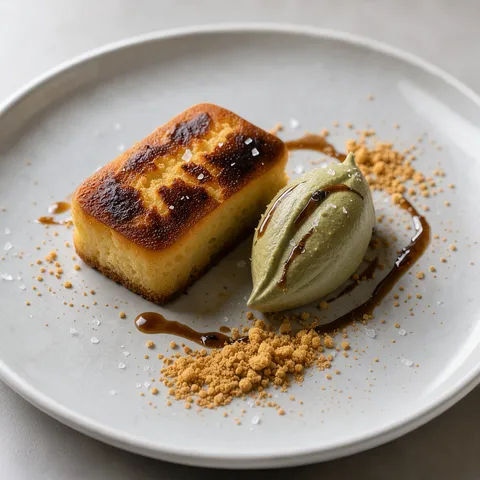 Kasutera 2.01 hr 11 min · Dessert
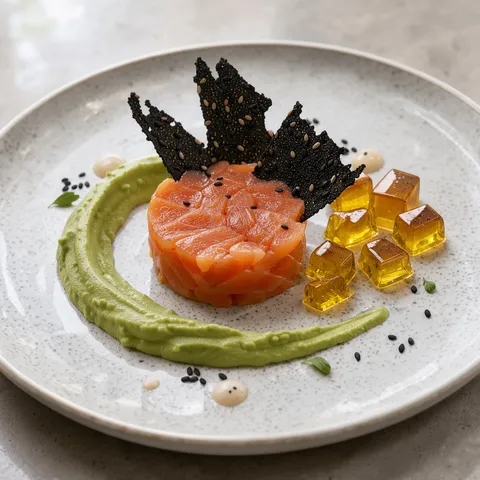 Salmon Tartare, Black Sesame Crisp, Wasabi Avocado45 min · Starter
 Salmon, Miso Glaze, Dashi Beurre Blanc, Edamame Purée50 min · Main course
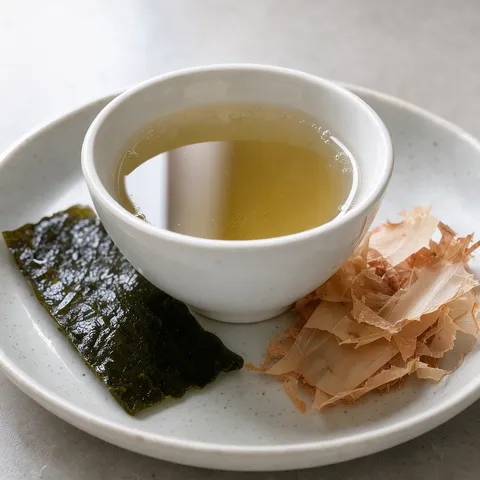 Ichiban Dashi1 hr 45 min · Basic recipe
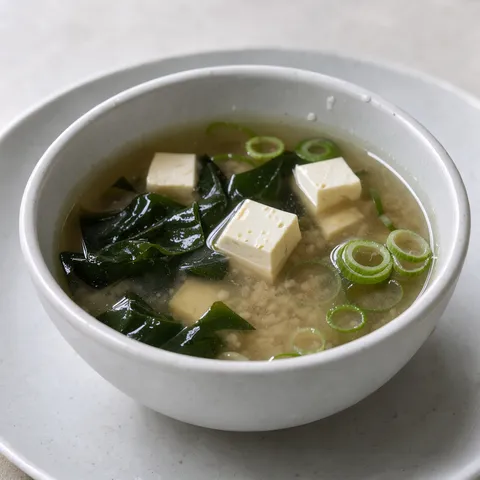 Miso Soup15 min · Soup
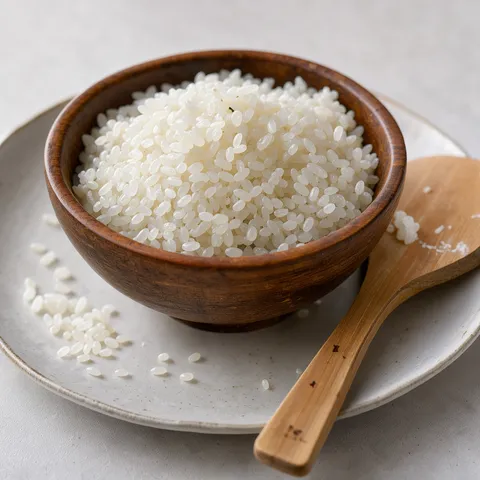 Sushi Rice1 hr 15 min · Basic recipe
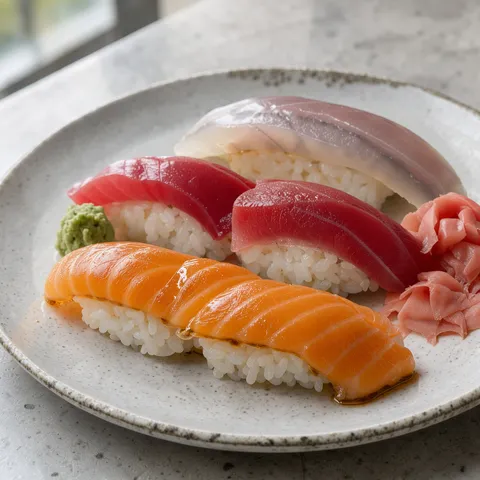 Nigiri45 min · Main course