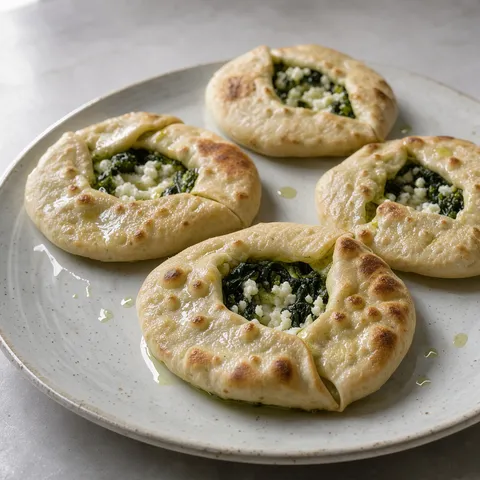
Stuffed Spinach Pide Katikli Ekmek
A Turkish bread & pastry. Takes 1 hr 37 min, 8 pieces (4 servings). Difficulty: medium.
At a glance
- Total time
- 1 hr 37 min
- Serves
- 8 pieces (4 servings)
- Difficulty
- Medium
- Cuisine
- Turkish cuisine
- Dish type
- Bread & pastry
- Allergens
- Gluten, Milk
Ingredients
Dough
- 500 g plain flour
- 7 g fast-action dried yeast
- 1 tsp salt
- 1 tsp sugar
- 300 ml lukewarm water
- 2 tbsp olive oil
Filling
- 400 g spinach
- 1 onion (about 100 g)
- 100 g salted strained yoghurt
- 120 g dry curd cheese
- 1 tsp Aleppo pepper
- 3 tbsp olive oil
Oiling
- 2 tbsp olive oil
Equipment
- Mixing bowls
- Oven
- Baking tray
- Baking paper
- Pastry brush
- Rolling pin / oklava (optional)
Method
- Knead the dough (8 min): Dissolve the yeast and sugar in the lukewarm water and leave for 5 min to froth. Put the flour, salt, olive oil and yeast water in a bowl. Knead by hand for 7-8 min, until smooth and soft. The dough should be soft and pliable, like an earlobe. The source does not give a recipe for the dough, so the author wrote a pide dough
- Prove (45 min): Put the dough in an oiled bowl, cover and leave in a warm place for 45 min, until doubled in size. Proving well makes the pide soft and light. The oven can be preheated to 220°C in the meantime
- Make the filling (while the dough proves, no extra time): Cut the stalks off the spinach, wash the leaves in plenty of water and drain thoroughly. Chop finely. Chop the onion very finely. In a large bowl, mix the spinach, onion, yoghurt, crumbled dry curd cheese, Aleppo pepper and 1.5 tbsp of the olive oil. Taste for salt, as the yoghurt and dry curd cheese are already salty. In the original recipe the spinach stalks are picked off and the spinach is mixed with yoghurt and dry curd cheese. If the spinach releases water, squeeze it out lightly
- Divide into balls (5 min): Press the risen dough down just enough to knock out the gas and divide into 8 pieces the size of tangerines (about 95 g each). Roll into balls and rest for 5 min covered with a tea towel. The original recipe also divides the dough into tangerine-sized pieces
- Roll out and fill (20 min): Lightly oil the work surface with olive oil. Take a ball and roll it with your hands or a rolling pin into a thin round about 20 cm across. Put 2 tbsp of filling in the middle and fold the edges so they meet in the middle, leaving a small opening in the centre. This is the shape of the stuffed pide. The opening lets the steam escape, so the filling does not puff up. Repeat with all 8 balls
- Prepare the tray (3 min): Line the base of a baking tray with baking paper and arrange the pides with gaps between them. Brush the tops with olive oil. The oil helps the tops turn golden and stay soft
- Bake (14 min): Bake the pides on the middle shelf of the oven at 220°C for 13-15 min, until the edges and tops are golden. The underside should colour too, so lift one pide to check. If the filling stays wet, extend by 2 min
- Serve (2 min): Rest the pides for 2 min out of the oven and serve hot. The filling can be very hot, so take care not to burn yourself
Chef's note
Katikli ekmek, in the Hatay Culture Portal entry, is made by rolling tangerine-sized pieces of dough by hand, filling them with a mixture of spinach, onion, salted yoghurt, dry curd cheese, Aleppo pepper and olive oil, folding the edges so that a small opening is left in the middle and baking them in the oven. The source has no dough recipe, quantities, oven temperature or time, and these are the author's. In Hatay, katik is mostly made with dry curd cheese and pepper paste, and the spinach version is the form in the portal entry. If you cannot find dry curd cheese, crumbled fresh curd cheese or white brined cheese can be used.
Frequently asked questions
- Why is the filling of Katikli Ekmek watery?
- The spinach has released water. Drain the washed spinach well, squeeze it lightly if it still weeps, and if the filling is still wet bake for 2 minutes longer.
- Should I add salt to the filling?
- Taste first, as the yoghurt and dry curd cheese are already salty.
- Why leave a gap on top of the pides?
- A small opening in the middle lets the steam escape so the filling does not puff up.
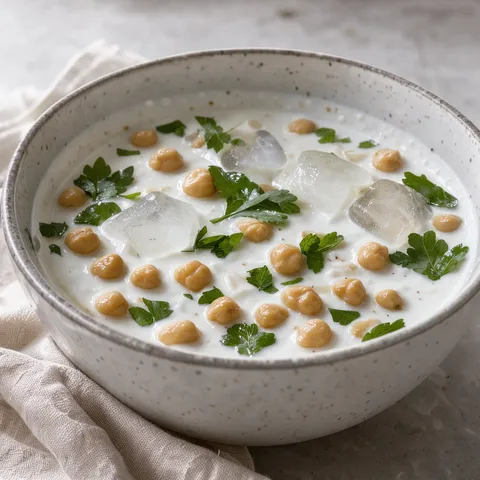 Chilled Wheat Yoghurt Soup1 hr · Soup
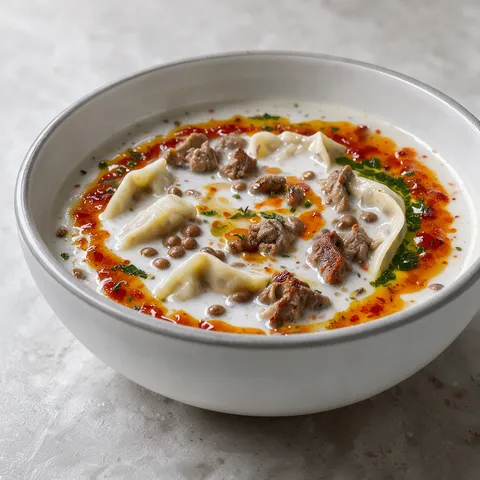 Noodle and Yoghurt Soup1 hr 10 min · Soup
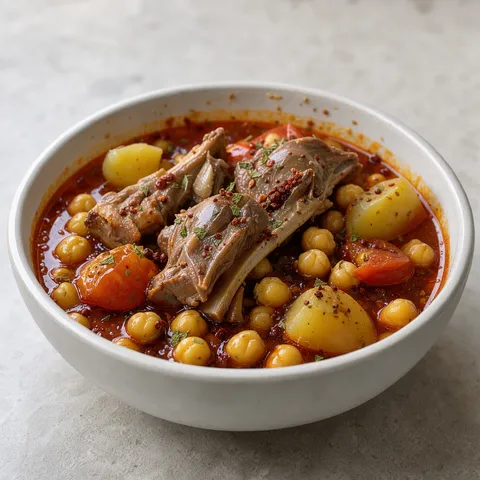 Lamb, Chickpea and Potato Stew1 hr 15 min · Soup
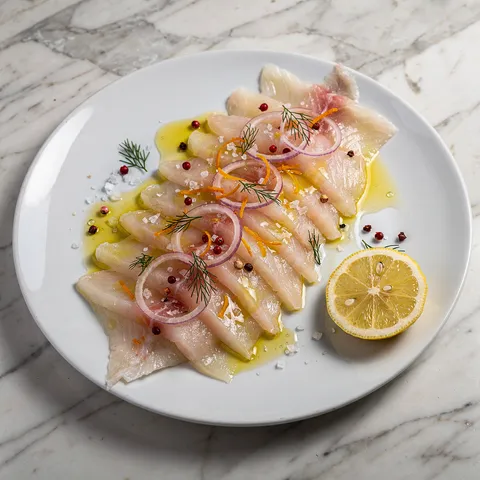 Marinated Sea Bass30 min · Meze
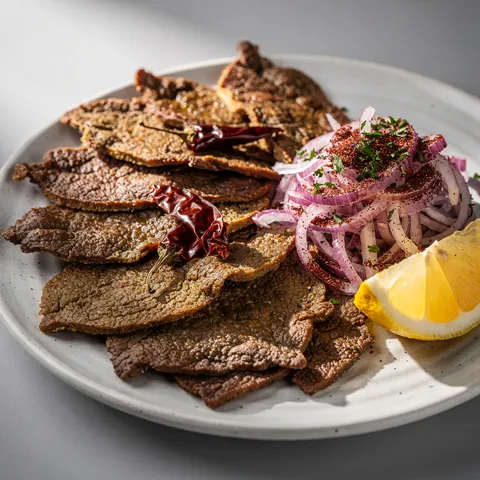 Crispy Fried Liver Slices25 min · Meze
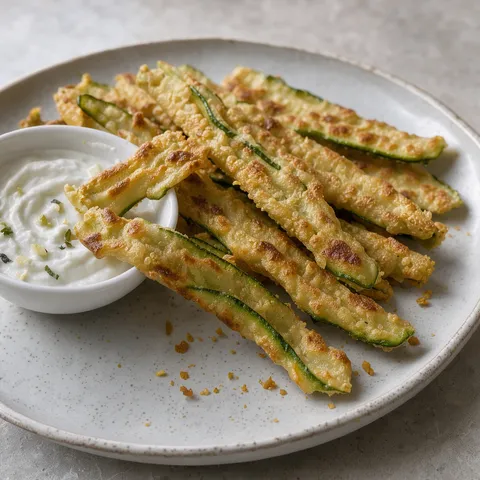 Courgette Crisps30 min · Meze