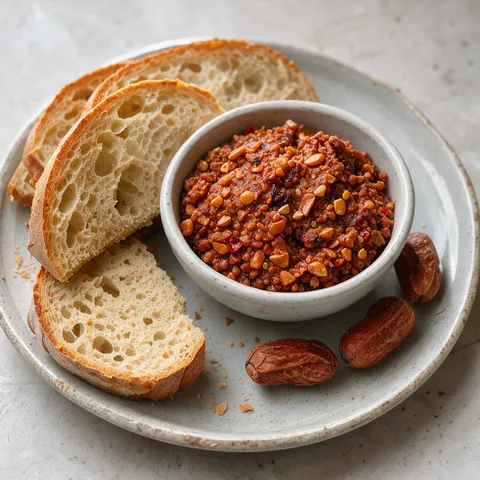
Angolan Chilli and Peanut Paste Kitaba
An Angolan meze. Takes 45 min · +10 min resting, Serves 4. Difficulty: medium.
At a glance
- Total time
- 45 min · +10 min resting
- Serves
- Serves 4
- Difficulty
- Medium
- Cuisine
- Angolan cuisine
- Dish type
- Meze
- Diet
- Vegetarian, Vegan, Gluten-free
- Allergens
- Peanuts, Tree nuts
Ingredients
Peanuts
- 300 g raw shelled peanuts (skin on, unsalted)
Seasoning
- 2 red chillies (fresh)
- 1 tsp chilli flakes
- 1/2 tsp salt
- 1 tsp caster sugar
- 1 tbsp sunflower oil
- 2 tbsp water
To serve
- 4 slices of country bread or roasted sweet potato slices
Equipment
- Oven
- Baking tray
- Baking paper
- Colander
- Frying pan
- Chef's knife
- Chopping board
- Pestle and mortar
- Mixing bowls
- Food processor (optional)
Method
- Preheat the oven: Preheat the oven to 170°C fan. Spread the peanuts in a single layer on a tray lined with baking paper. If they overlap, they will not roast evenly
- Roast the peanuts: Put the tray on the middle shelf and roast for 15 min, shaking the tray every 5 min. A peanut broken open should be light brown inside, and the outer skin should darken and crack. In Angola ginguba is roasted on the street over charcoal. The oven gives the same deep roasted flavour with more control
- Remove the skins: Tip the peanuts from the tray into a colander and let them cool slightly for 5 min. Rub them in the colander, pressing with your palms, and the skins will lift. Shake the colander gently over the sink or on a balcony to blow the skins away. Some skin can stay. It does not spoil the rustic look of kitaba
- Char the chillies: Heat a small pan over medium-high heat for 2 min, then char the fresh chillies in the dry pan, turning with tongs, for 4 min, until the skins are charred in places and soft. Cut off the stalks, remove the seeds if you like and roughly chop on a chopping board with a chef's knife. Charring takes away the raw green taste of the chilli and adds a light smokiness to the paste
- Crush coarsely: Put half of the peanuts in a mortar and pound with the pestle for 3-4 min, until you have a mixture of coarse pieces and a flour-like powder. Transfer to a bowl and pound the other half in the same way. If you use a food processor, pulse 6-8 times. If you run it continuously, the peanuts release their oil and turn into a smooth paste, while kitaba should stay sandy and crunchy
- Crush the chilli and salt: Pound the charred chillies, chilli flakes, salt and sugar in the mortar for 1 min, until they form a red paste. The salt crystals break down the chilli and release its aroma
- Combine: Fold the chilli paste into the crushed peanuts, add the sunflower oil and water and stir with a spoon for 1 min. The mixture should clump when squeezed in your palm but fall apart easily when released. If it is too dry, add another 1 tbsp water. Taste and adjust the salt and heat
- Rest: Leave the paste in a bowl for 10 min. The peanut powder absorbs the moisture of the chilli and the flavours come together
- Serve: Serve the kitaba in a small bowl as a meze with the bread slices or roasted sweet potato. In Angola kitaba is also eaten alongside funge and chargrilled fish. It keeps for 5 days in the fridge in a closed container
Chef's note
Kitaba is a crunchy paste in which Angola's ginguba (peanuts) meet gindungo (small hot chillies), eaten both as a snack and as a condiment at the table. It is also made with dried chillies only instead of fresh ones, and then you should use 2 tsp chilli flakes. Peanuts bought with their skins roast more easily and taste deeper.
Frequently asked questions
- What should I watch for when making kitaba in a food processor?
- Pulse the processor 6-8 times in short bursts. If you run it continuously the peanuts release their oil and turn into a smooth paste, whereas kitaba should be gritty and crunchy.
- How long does kitaba keep?
- It keeps for 5 days in an airtight container in the fridge.
- Why char the chillies for kitaba?
- Charring takes away the raw green taste of the chilli. It adds a light smokiness to the paste.
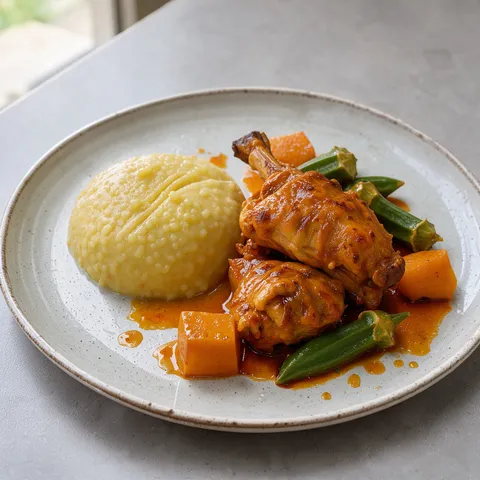 Angolan Palm Oil Chicken Stew1 hr 25 min · Main course
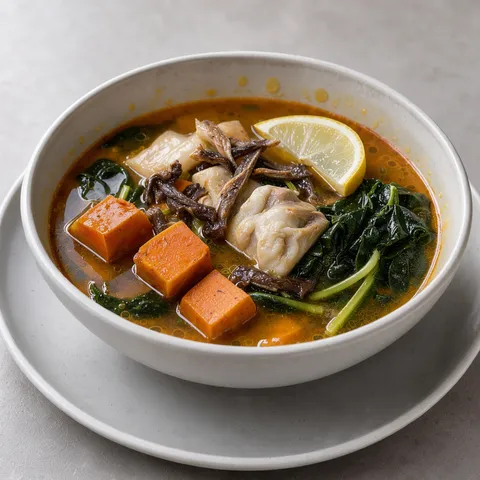 Angolan Red Oil Fish Soup1 hr 5 min · Soup
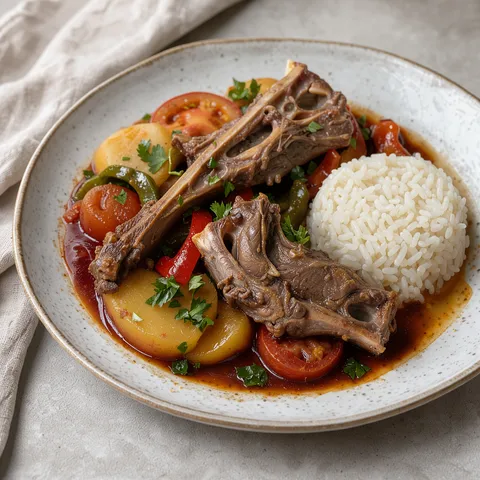 Angolan Goat Stew with Rice1 hr 55 min · Main course
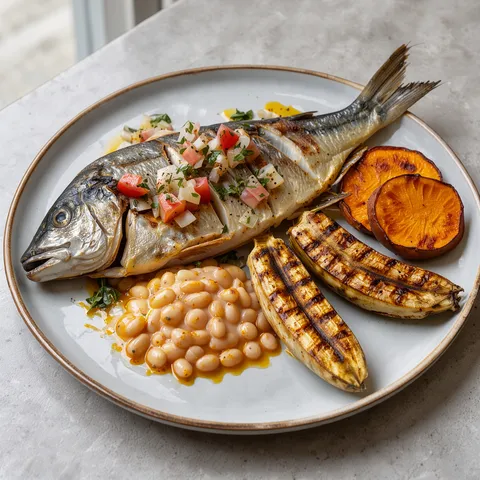 Luanda Chargrilled Sea Bream Platter1 hr 25 min · Main course
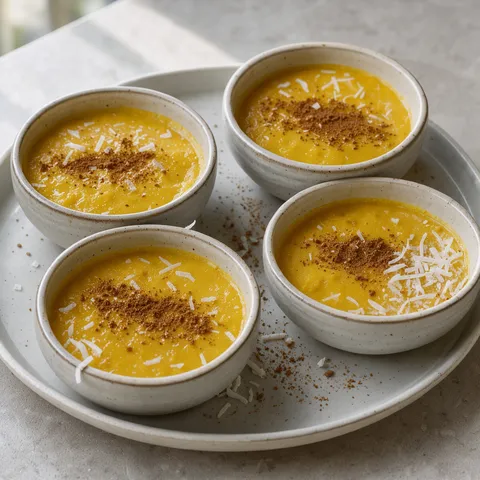 Angolan Coconut Egg Yolk Custard40 min · Dessert
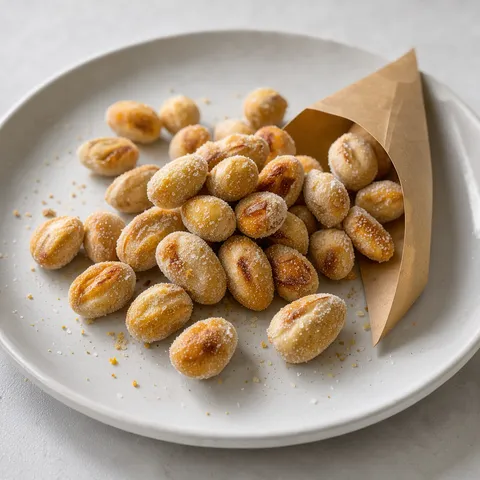 Angolan Cinnamon Sugar-Coated Peanuts25 min · Dessert