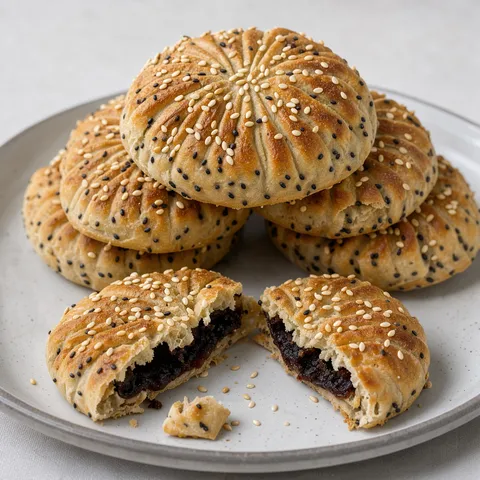
Date-Filled Festive Buns Klice
A Turkish bread & pastry. Takes 1 hr 15 min · +1 hr 15 min rising, Makes 12. Difficulty: medium.
At a glance
- Total time
- 1 hr 15 min · +1 hr 15 min rising
- Serves
- Makes 12
- Difficulty
- Medium
- Cuisine
- Turkish cuisine
- Dish type
- Bread & pastry
- Allergens
- Gluten, Milk, Eggs, Sesame
Ingredients
Dough (makes 12)
- 500 g plain flour
- 200 ml lukewarm milk
- 120 g butter (melted and cooled slightly)
- 50 g caster sugar
- 7 g fast-action dried yeast
- 1 egg
- 1 tsp salt
- 1 tsp ground mahlab
- 1 tsp fennel seeds (lightly crushed in a mortar)
- 1 tsp nigella seeds
- 1 tbsp sesame seeds
Filling
- 250 g soft pitted dates
- 30 g butter
- 1/2 tsp cinnamon
- a pinch of ground cloves
Topping
- 1 egg yolk
- 1 tbsp milk
- 1 tbsp sesame seeds
Equipment
- Mixing bowls
- Cling film
- Frying pan
- Wooden spoon / spatula
- Baking tray
- Baking paper
- Pastry brush
- Oven
- Pestle and mortar (optional)
- Balloon whisk (optional)
Method
- Activate the yeast: Stir the yeast and 1 tsp of the sugar into half the lukewarm milk (around 37°C: it shouldn't feel hot when dripped on your wrist) and leave for 10 min. If the surface froths, the yeast is alive. If it doesn't, the dough won't rise, so start again with new yeast
- Knead the dough: Sift the flour into a large bowl and mix in the remaining sugar, the salt, mahlab, crushed fennel, nigella seeds and sesame seeds. Make a well in the centre and add the yeasted milk, the remaining milk, the egg and the melted butter. Knead for 10 min into a soft, glossy dough that no longer sticks to your hands. A buttery dough is slow to come together: keep kneading patiently and don't add flour to stiffen it
- First prove: Cover the dough with cling film and leave somewhere warm for 1 hr, or until doubled in size. It's ready when a fingertip dent fills back slowly
- Make the filling: While the dough rises, roughly chop the dates. Melt the butter in a pan over low heat and add the dates, cinnamon and cloves. Mash with a wooden spoon for 5-6 min to a paste. Leave to cool and roll into 12 equal hazelnut-sized balls (about 22 g each). Warm filling melts and tears the dough
- Shape: Divide the dough into 12 equal balls (about 78 g each). Flatten each one in your palm into a 10 cm round, put a date ball in the centre, gather up the edges like a purse to seal, and turn seam side down. Press with your palm into a flat round 1.5-2 cm thick and 9 cm across
- Pattern: If you have a klice mould, flour it lightly and press it onto each round. Without a mould, draw rays from the centre to the edge with the tip of a fork, then press around the edge with your thumb at intervals to make a crimped border. In Mardin the patterned face of klice is its identity on the festive table
- Second prove: Arrange the klice spaced apart on a baking tray lined with baking paper, cover and leave for 15 min. Meanwhile, preheat the oven to 180°C. Beat the egg yolk with the milk, brush thinly over the klice and sprinkle with sesame seeds. Egg brushed on thickly fills the pattern and hides it
- Bake: Bake on the middle shelf for 20-22 min, until deep golden on top, browned underneath and hollow-sounding when tapped. Underbaked klice stays doughy in the centre
- Rest and serve: Cool the klice on a wire rack for 15 min: the date filling settles as it cools. Stack them on a plate, breaking one in half to show the inside. Eat warm or at room temperature with tea or milk
Chef's note
Klice is the bun of festivals and special days in Mardin, baked with the same aroma in Syriac Christian and Muslim homes. The trio of mahlab, fennel and nigella is the scent of klice, so don't leave any of them out. Plain klice without a filling is also made: in that case, flatten the dough balls directly and add the pattern. A mixture of walnuts, sugar and cinnamon is also used instead of dates. It stays fresh for 4-5 days in an airtight container.
Frequently asked questions
- Why is hot date paste not used in the klice?
- A hot filling melts the dough and tears it. Cool the date paste and roll it into hazelnut-sized balls so the klice stays sealed as you shape it.
- Why does the klice dough not rise?
- Most often the yeast is not active. Leave the yeast in warm milk for 10 minutes and check that the surface foams. If it does not, you need fresh yeast.
- Why does the pattern on the klice disappear when baked?
- If the egg yolk glaze is brushed on thickly, it fills the pattern and hides it. Brush on a thin coat to keep the pattern.
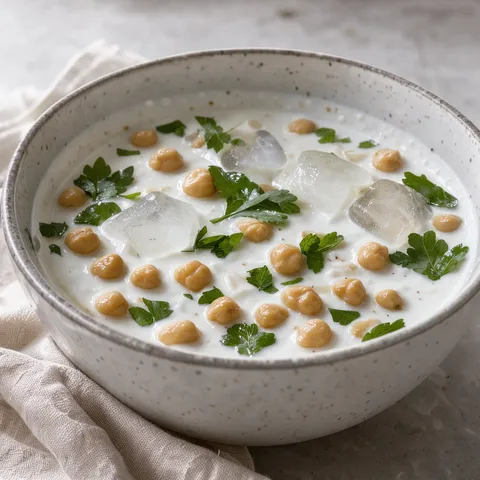 Chilled Wheat Yoghurt Soup1 hr · Soup
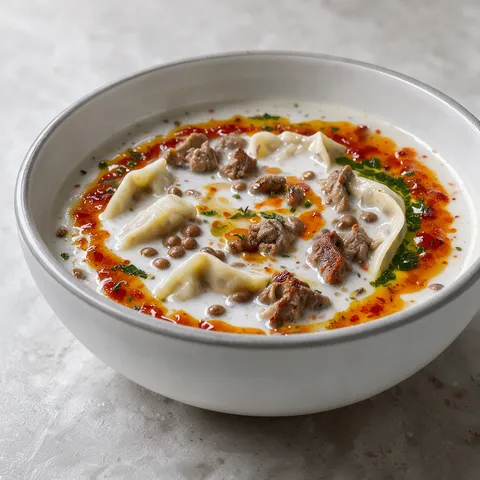 Noodle and Yoghurt Soup1 hr 10 min · Soup
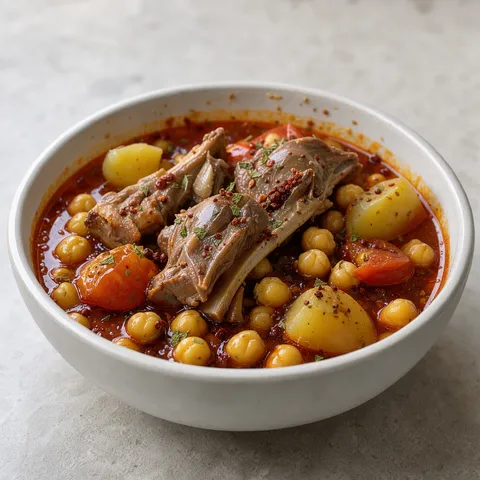 Lamb, Chickpea and Potato Stew1 hr 15 min · Soup
 Marinated Sea Bass30 min · Meze
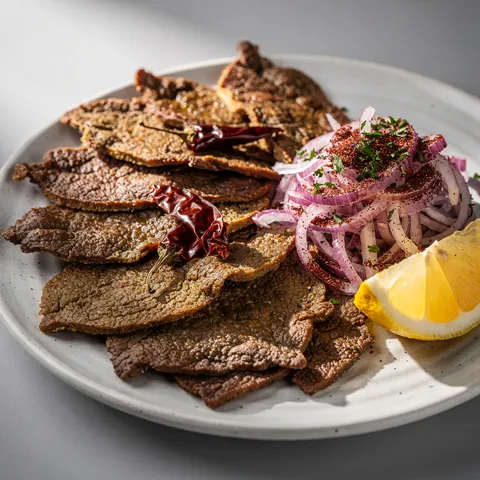 Crispy Fried Liver Slices25 min · Meze
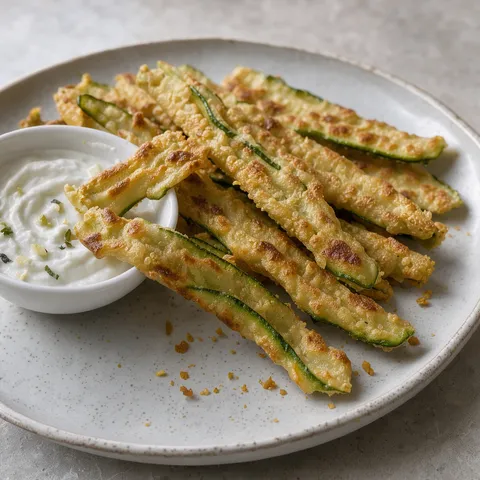 Courgette Crisps30 min · Meze