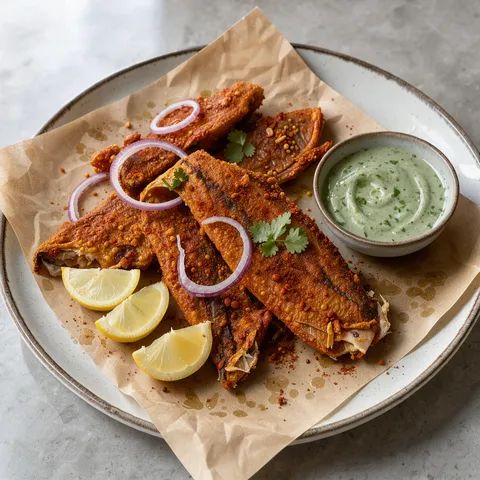
Fried Fish in Spiced Gram Batter Lahori Machli
A Pakistani starter. Takes 1 hr, Serves 4. Difficulty: medium.
At a glance
- Total time
- 1 hr
- Serves
- Serves 4
- Difficulty
- Medium
- Cuisine
- Pakistani cuisine
- Dish type
- Starter
- Diet
- Gluten-free
- Allergens
- Milk, Eggs, Fish
Ingredients
Fish
- 700 g firm white fish fillet (sea bass, whiting or turbot, skinless)
- 1 tsp salt
- 2 tbsp lemon juice
Batter
- 100 g gram flour (besan, sifted)
- 2 tbsp rice flour
- 3 garlic cloves and 2 cm ginger (pounded together)
- 1 tsp ajwain (carom seeds)
- 1.5 tsp Kashmiri chilli powder
- 1/2 tsp hot chilli powder
- 1 tsp ground coriander
- 1/2 tsp ground cumin
- 1/2 tsp ground turmeric
- 1/2 tsp Garam Masala (Basics)
- 1 egg
- 1 tbsp lemon juice
- 4-6 tbsp water
- 1/2 tsp salt
Frying
- 1.2 litres sunflower oil
Mint yoghurt sauce
- 150 g plain yoghurt
- 15 g fresh mint
- 10 g coriander
- 1 green chilli
- a pinch of salt
To serve
- 1 tsp chaat masala
- 2 lemons (sliced)
- 1 red onion (in thin rings)
Equipment
- Plating tweezers
- Chef's knife
- Chopping board
- Mixing bowls
- Blender
- Heavy-based saucepan
- Probe thermometer
- Colander
- Baking paper
Method
- Prepare the fish: Feel the fillet for any remaining pin bones with your fingertips and pull them out with tweezers. Cut the fish into 5×3 cm pieces, mix with the salt and lemon juice and leave for 15 min. The lemon removes any fishy smell and firms the flesh slightly. Then pat the pieces thoroughly dry with kitchen paper, as the batter will not stick to wet fish
- Batter: Crush the ajwain between your palms into a bowl, as crushed seeds release their oil. Add the gram flour, rice flour, garlic-ginger paste, all the ground spices, the egg, lemon juice and salt. Add the water a spoonful at a time to make a batter that coats the back of a spoon thickly without running. A runny batter falls apart in the oil, while a very thick one leaves a heavy crust
- Coat and rest: Coat the fish pieces in the batter, evenly on every side. Leave for 15 min, so the batter sticks to the fish and the spices penetrate the flesh, and this rest works like a marinade
- Blend the sauce: Meanwhile, blend the yoghurt, mint, coriander, green chilli and salt for 30 sec and put in the fridge
- Heat the oil: Heat the oil in a deep, heavy-based saucepan to 175°C, checking with a thermometer
- First fry: Lower the fish pieces into the oil 5-6 at a time and fry for 3-4 min, turning now and then, until pale golden. Lift onto a wire rack with a slotted spoon. Fry all the batches this way
- Second fry: Increase the oil temperature to 190°C and fry the pieces for another 1 min, until deep reddish-gold with a crisp crust. This second short fry, used by the street vendors of Lahore, keeps the crust crisp for a long time. The thickest part of the fish should reach 63°C, when the flesh is opaque and flakes easily
- Finish: Transfer the fried fish to a wire rack, sprinkle with chaat masala while hot and squeeze over a few drops of lemon
- Plate: Pile the fish loosely on a plate lined with baking paper. Add the red onion rings, lemon slices and the mint yoghurt sauce in a small bowl alongside. Serve immediately
Chef's note
This is the street food of Lahore's winter evenings, fried in large pans in the bazaars of the old city and sold on newspaper. River fish from the Ravi and the Indus are traditionally used, and firm white sea fish also gives good results. Ajwain gives the frying a sharp, thyme-like aroma and makes the gram flour lighter. Chaat masala is available in Indian and Pakistani shops.
Frequently asked questions
- Why is Lahori fish fried twice?
- The second short fry is done by raising the oil to 190°C for 1 minute, a method Lahore's street vendors use to keep the crust crisp for a long time. The first fry is at 175°C until light golden.
- What consistency should the batter be?
- It should coat the back of a spoon in a thick layer without running off. A runny batter falls away in the oil, while a batter that is too thick leaves a heavy crust.
- Why won't the batter stick to the fish and what should I do?
- Batter won't stick to wet fish, so pat the lemony pieces thoroughly dry with kitchen paper. Also rest the coated fish for 15 minutes so that the batter sticks to it.
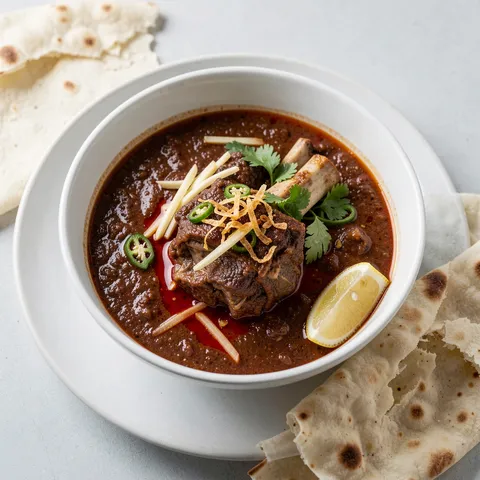 Pakistani Slow-Cooked Beef Shin2 hr · Main course
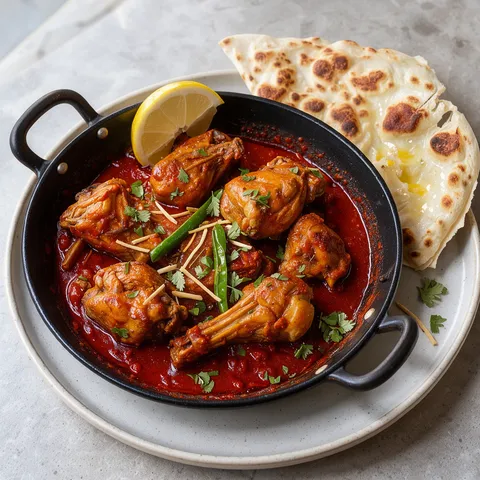 Peshawari-Style Chicken with Tomatoes40 min · Main course
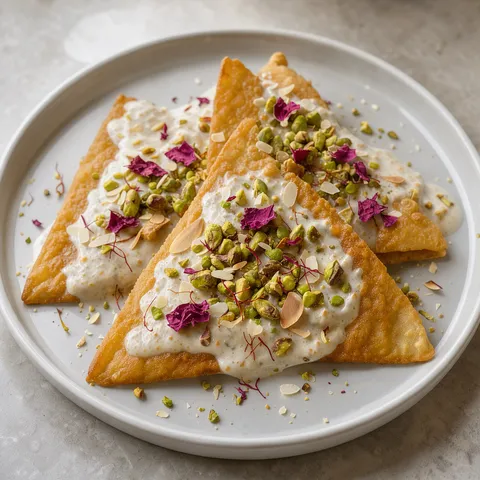 Fried Bread Dessert with Saffron Milk Cream55 min · Dessert
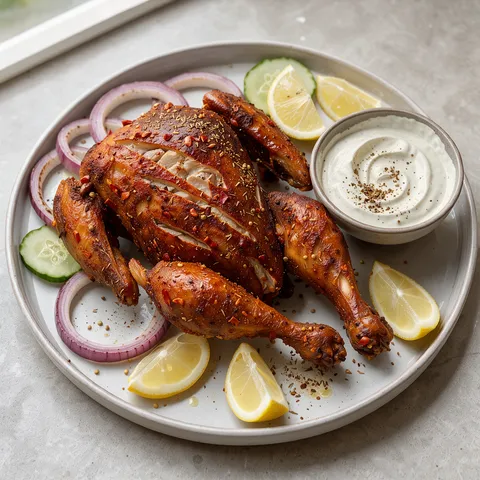 Lahore-Style Steamed and Fried Whole Chicken2 hr 30 min · Main course
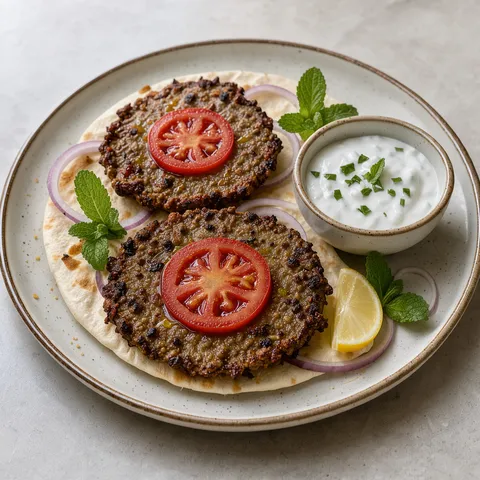 Peshawar-Style Flat Mince Kebab with Cornmeal1 hr 30 min · Main course
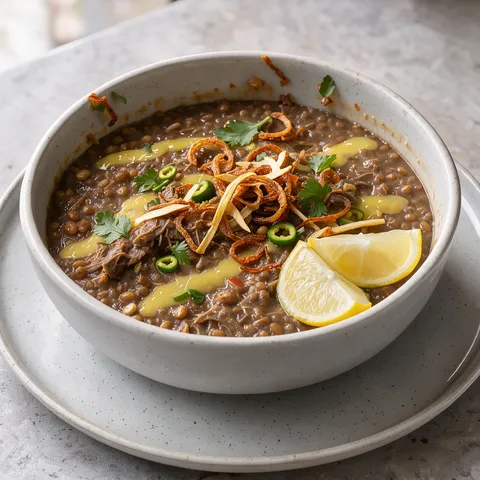 Karachi-Style Wheat2 hr 10 min · Main course