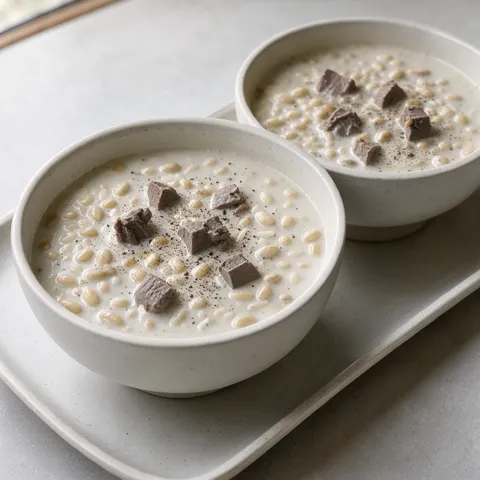
Nauryz Kozhe Kazakh Seven-Ingredient Nowruz Soup
A Kazakh soup. Takes 2 hr 55 min (pressure cooker: ~2 hr) · +8 hr wheat soaking, Serves 4. Difficulty: medium.
At a glance
- Total time
- 2 hr 55 min (pressure cooker: ~2 hr) · +8 hr wheat soaking
- Serves
- Serves 4
- Difficulty
- Medium
- Cuisine
- Kazakh cuisine
- Dish type
- Soup
- Allergens
- Gluten, Milk, Celery
Ingredients
Stock
- 700 g beef brisket on the bone or lamb neck on the bone
- 2.5 litres cold water
- 1 onion (whole)
- 2 bay leaves
- 1 tsp salt
Grains
- 80 g whole wheat berries (soaked in water overnight)
- 60 g millet
- 60 g rice (baldo or osmancik)
Dairy
- 750 ml ayran (thick salted yoghurt drink)
- 200 g strained (Greek-style) yoghurt
Kurt
- 40 g kurt (optional, grated)
Fat
- 1 tbsp butter
To serve
- 1/2 tsp black pepper
- a pinch of salt
Equipment
- Saucepan
- Ladle
- Colander
- Chef's knife
- Chopping board
- Frying pan
- Balloon whisk
- Mixing bowls
- Pressure cooker (optional)
Method
- Soak the wheat: Soak the wheat in plenty of cold water the night before. Soaked wheat softens in 1 hr, while unsoaked it takes up to 2 hr
- Boil the meat: Put the meat in a large pan with the cold water and bring to the boil over medium heat. For the first 10-15 min, keep skimming off the grey foam that rises to the surface: a clean stock keeps the soup white. Once it boils, add the onion, bay leaves and salt, lower the heat and simmer gently, lid ajar, for 30 min. In a pressure cooker, close the lid after skimming and cook with the wheat for 25 min
- Add the wheat: Drain the soaked wheat, add to the pan and cook over low heat for another 1 hr. The meat should come away from the bone easily, and the wheat grains should have split open slightly and softened
- Separate the meat: Lift out the meat and onion with a slotted spoon and discard the onion. Take the meat off the bone and sinew and cut into 1 cm cubes. About 1.8 litres of liquid should remain in the pan. If there is less, top up with hot water
- Cook the millet and rice: Rinse the millet and rice separately until the water runs clear. Toast the millet in a dry frying pan for 2 min, until lightly fragrant: this removes its slightly bitter taste. Add the millet and rice to the pan and cook for 25 min, stirring the bottom now and then, until the grains start to break down and the soup thickens slightly. Stir in the butter and diced meat
- Let cool slightly: Turn off the heat and leave uncovered for 30 min. The soup should drop to 50-60°C. Ayran poured into hot soup curdles
- Bind with ayran and kurt: Whisk the ayran with the strained yoghurt until smooth, temper with a ladleful of soup, then add to the pan and stir. If using kurt, grate it in now. The soup should flow easily from a spoon and taste slightly sour and lightly salty. Adjust the salt. Do not let it boil again after adding the ayran
- Plate: Divide the soup between deep bowls so each gets a few cubes of meat. Sprinkle with a very little black pepper. Serve warm or at room temperature
Chef's note
Nauryz kozhe is cooked on 22 March, at Nowruz. Tradition calls for seven ingredients, the number made up by water, meat, salt, fat, grain, milk and kurt, and it is shared with seven neighbours. The original recipe usually uses horse meat or kazy (horse-meat sausage); as these are hard to find in Türkiye and Europe, beef brisket or lamb neck is used here. Kurt (kurut) is a dried sour yoghurt ball bought ready-made in Kazakhstan. If you cannot find it, the sourness of strained yoghurt is enough. Some families bind it with milk instead.
Frequently asked questions
- Why is the ayran added to Nauryz Kozhe after the soup has cooled a little?
- Ayran poured into hot soup splits. So turn off the heat and wait for the soup to drop to 50-60°C.
- Is kurt essential in Nauryz Kozhe?
- No, kurt is optional. If using it, grate it and add it to the soup after the ayran mixture goes in.
- Why does the ashure wheat need soaking?
- Soaked wheat softens in 1 hour, while unsoaked takes 2 hours. So the wheat is left in plenty of cold water the night before.
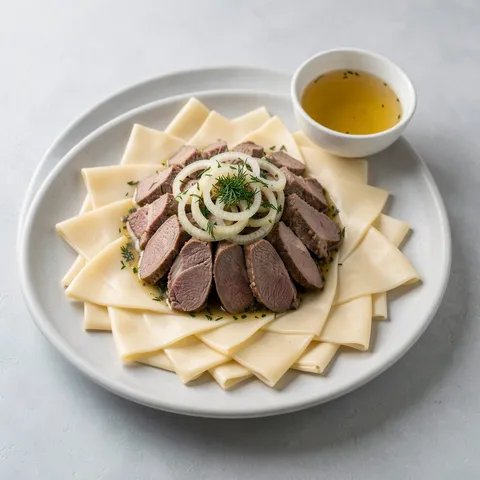 Beshbarmak3 hr 45 min · Main course
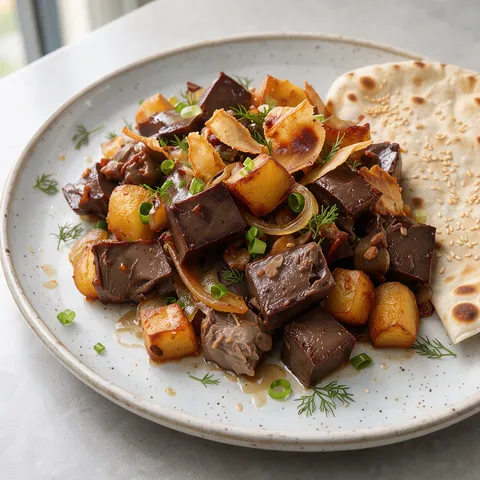 Kazakh Fried Lamb Offal1 hr 25 min · Main course
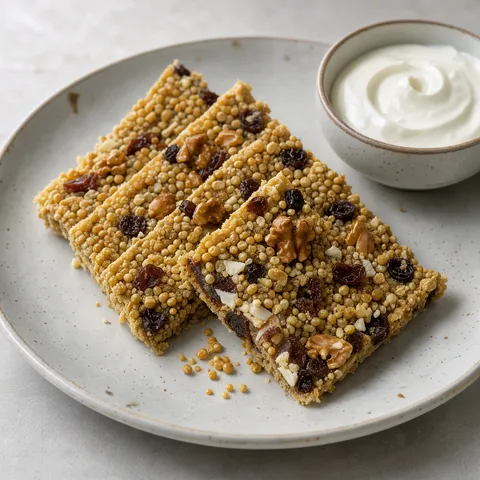 Kazakh Millet, Kurt and Honey Butter Sweet45 min · Dessert
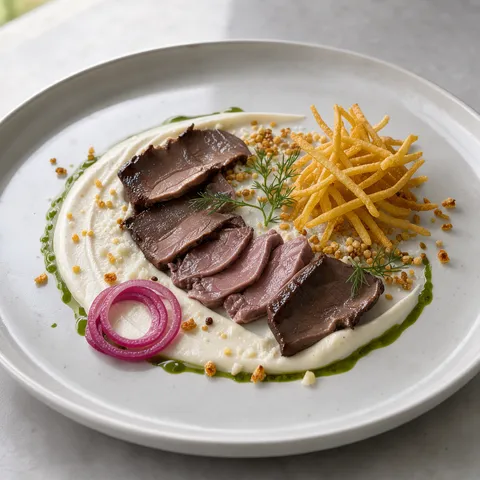 Kuyrdak 2.01 hr 15 min · Main course
 Kazakh Fried Yeasted Milk Dough Puffs1 hr 15 min · Bread & pastry
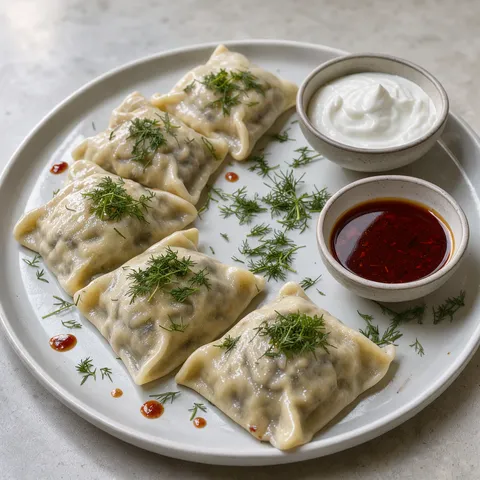 Large Steamed Lamb and Pumpkin Dumplings1 hr 55 min · Main course