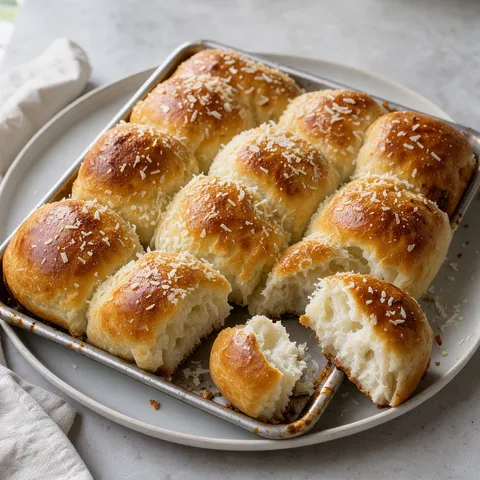
Garifuna Soft Coconut Milk Bread Pan de Coco
A Honduran bread & pastry. Takes 1 hr 5 min · +1 hr 30 min rising, Serves 4. Difficulty: medium.
At a glance
- Total time
- 1 hr 5 min · +1 hr 30 min rising
- Serves
- Serves 4
- Difficulty
- Medium
- Cuisine
- Honduran cuisine
- Dish type
- Bread & pastry
- Allergens
- Gluten, Milk, Tree nuts
Ingredients
- 500 g strong white bread flour
- 7 g fast-action dried yeast
- 40 g caster sugar
- 8 g salt
- 300 ml lukewarm coconut milk (35-38°C)
- 40 g softened butter (+10 g for greasing)
- 40 g freshly grated coconut (optional)
- 2 tbsp coconut milk (for brushing)
Equipment
- Mixing bowls
- Precision scales
- Cling film
- Baking tray
- Pastry brush
- Oven
- Probe thermometer (optional)
Method
- Activate the yeast: Add the yeast and 1 tsp of the sugar to 100 ml of the lukewarm coconut milk, stir and leave for 5 min. The surface should foam. If it does not, the yeast is dead or the milk was too hot, so start again. Coconut milk above 40°C kills the yeast
- Knead the dough: In a large bowl, mix the flour, the remaining sugar and the salt. Add the yeasted milk and the remaining 200 ml coconut milk and fold in the grated coconut. When the dough comes together, knead on a floured surface for 10-12 min. It should stretch into a thin membrane that lets light through. Because the fat in coconut milk slows gluten development slightly, kneading takes longer than for ordinary bread
- Work in the butter: Add the softened butter to the dough and knead for 3 min, until the dough has absorbed the butter completely and is smooth and glossy again. Adding the butter later gives the bread a soft, cotton-like crumb
- First prove: Put the dough in a lightly greased bowl and cover with cling film. Prove in a warm place for 1 hr, until doubled in size. When pressed with a finger, the dent should fill back slowly
- Divide and shape: Press the air out of the dough with your palm. Weigh and divide into 12 equal pieces (about 78 g each). Shape each piece into a smooth ball with circular movements of your palm on the worktop and pinch the base. Arrange in a 24×30 cm tin greased with 10 g butter in a 3×4 arrangement, 1 cm apart. This takes 10 min
- Second prove: Cover the tin with cling film and prove for 30 min, until the balls puff up and touch each other. Meanwhile, preheat the oven to 190°C (conventional)
- Brush the tops: Brush the tops of the rolls with coconut milk. In the oven the milk gives the surface a thin, shiny, lightly golden crust. This takes 2 min
- Bake: Bake on the middle shelf of the oven for 20-22 min. The rolls should be golden on top and sound hollow when tapped underneath. If using a thermometer, the internal temperature should reach 92°C
- Cool and serve: Place the tin on a wire rack, rest for 10 min, then pull the rolls apart. Serve warm. The sides of the pulled-apart rolls stay cotton-soft and the tops glossy
Chef's note
Pan de coco is the bread of the Garifuna people living on Honduras's Caribbean coast, and it is eaten with fish soups and beans. In Garifuna homes the coconut milk is made by squeezing freshly grated coconut with hot water. Unlike the Coconut Sweet Bread (Trinidadian Spiced Coconut Loaf), this bread is not sweet but a lightly sweetish table bread. Makes 12.
Frequently asked questions
- What if the yeast in the coconut bread doesn't foam?
- Either the yeast is dead or the milk was too hot, so start again. Coconut milk above 40°C kills the yeast.
- Why is the dough kneaded for longer?
- The fat in coconut milk slows gluten development a little, so kneading takes longer than for ordinary bread. The dough should stretch to a thin membrane that lets light through.
- How do I get a cotton-soft crumb?
- Add the butter after the dough has been kneaded and knead again until smooth and glossy. When baked, the loaf should sound hollow when tapped on the base and read 92°C inside.
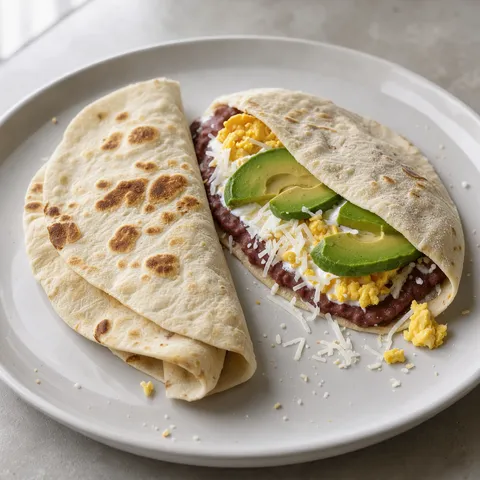 Honduran Bean and Cheese Tortillas2 hr · Bread & pastry
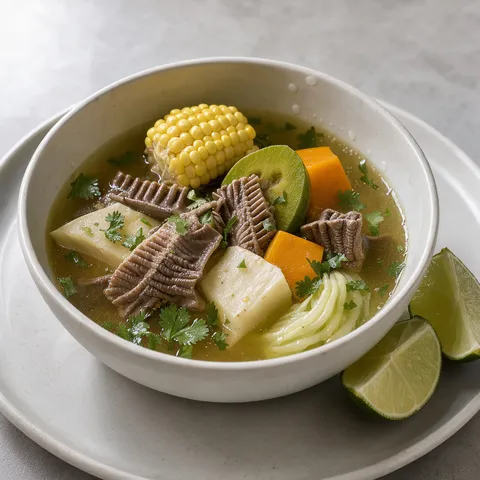 Honduran Tripe Soup with Cassava3 hr 50 min · Soup
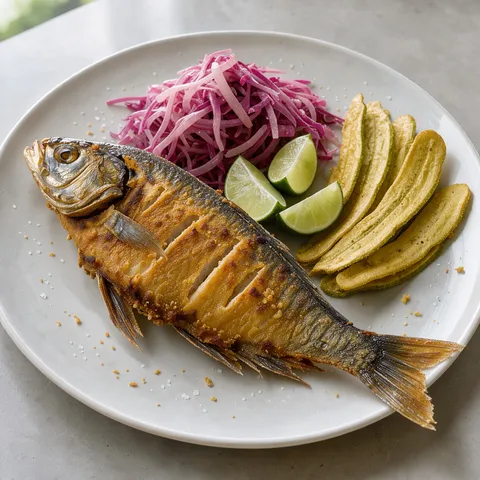 Honduran Fried Fish1 hr 20 min · Main course
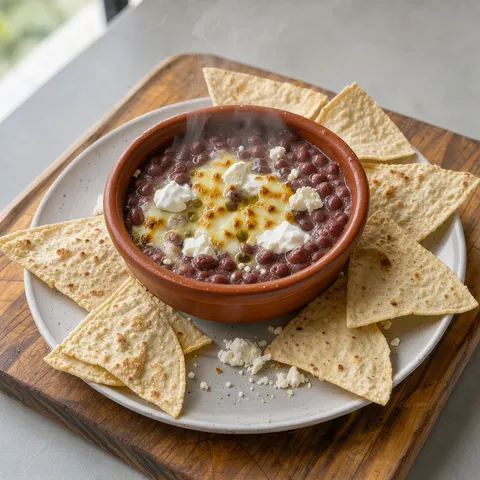 Honduran Melted Cheese Bean Dip1 hr 45 min · Meze
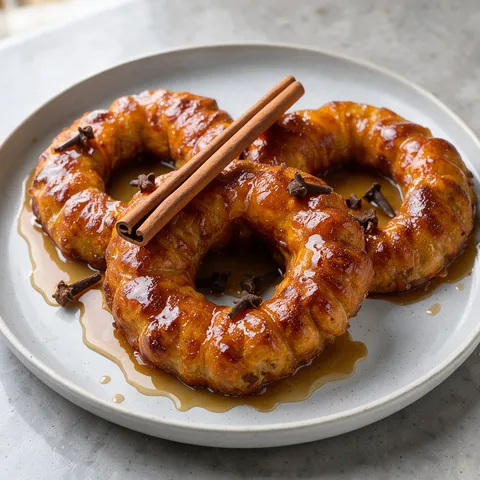 Honduran Corn Rings in Syrup1 hr 15 min · Dessert
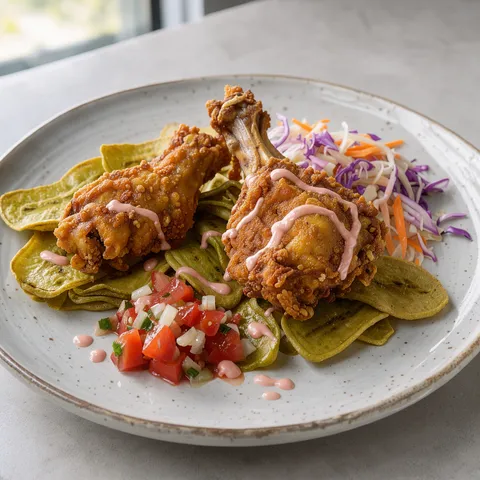 Honduran Fried Chicken with Plantain1 hr 25 min · Main course