Cheese Halva 2.0 Peynir Helvasi
A Turkish dessert. Takes 1 hr 10 min, 8 cake (4 servings). Difficulty: challenging.
At a glance
- Total time
- 1 hr 10 min
- Serves
- 8 cake (4 servings)
- Difficulty
- Challenging
- Cuisine
- Turkish cuisine
- Dish type
- Dessert
- Allergens
- Gluten, Milk, Eggs, Tree nuts, Sesame
Ingredients
Cheese halva cakes
- 300 g unsalted fresh cheese (cheese for halva or unsalted fresh curd cheese)
- 60 g semolina
- 30 g butter (for the semolina)
- 90 g caster sugar
- 2 eggs
- finely grated zest of 1/2 lemon
- a pinch of salt
- 10 g soft butter and 1 tbsp caster sugar for the tin
Halva sand
- 40 g semolina
- 25 g butter
- 20 g walnuts (shelled)
- 1 tbsp caster sugar
- a pinch of salt
Thyme honey syrup
- 80 g flower honey
- 50 ml water
- 3 fresh thyme sprigs (or 1/2 tsp dried thyme)
- 1 tsp lemon juice
Fresh curd cheese cream
- 150 g unsalted fresh curd cheese
- 100 ml double cream (35% fat, cold)
- 1 tbsp icing sugar
Pears
- 2 firm pears (Deveci or Santa Maria)
- 15 g butter
- 1 tbsp honey (separate from the syrup)
- 1 tsp lemon juice
To finish
- a few fresh thyme leaves
- flaky salt
Equipment
- Silicone mould
- Pastry brush
- Oven
- Frying pan
- Mixing bowls
- Baking paper
- Saucepan
- Fine sieve / chinois
- Hand mixer
- Silicone spatula
- Chef's knife
- Vegetable peeler
- Fine grater
- Muslin (optional)
Method
- Prepare the tin: Preheat the oven to 200°C (conventional). Brush the inside of an 8-hole silicone muffin tin with 6-7 cm holes with the soft butter, sprinkle with the caster sugar and shake out the excess. In the oven the sugar gives the edges a thin caramel crust
- Toast the semolina: Melt the 30 g butter in a frying pan over low heat and toast the 60 g semolina for 4 min, until fragrant and very lightly golden, then transfer to a bowl and let cool slightly. Toasted semolina adds a nutty depth to the milky aroma of the cheese
- Make the mixture: Crumble the cheese with a fork and, if it is wet, drain it in muslin for 5 min. Mix the cheese, cooled semolina, sugar, eggs, lemon zest and salt with a wooden spoon for 1 min. Rest the mixture for 15 min, so the semolina swells and the cakes hold a slice. Do the next two steps while it rests
- Toast the halva sand: Melt the 25 g butter in the same frying pan and toast the 40 g semolina over low heat for 6-7 min, stirring constantly, until deep golden and loose like sand. Add the broken walnuts, sugar and salt and stir for another 1 min, then spread on baking paper to cool. This crisp sand brings the toasted semolina flavour of the classic halva to the plate as a separate texture
- Infuse the syrup: Bring the honey, water and thyme to the boil in a small saucepan, take off the heat and leave to infuse for 10 min. Remove the thyme and add the lemon juice. The syrup should flow but thinly coat a spoon, and it thickens slightly as it cools
- Bake the cakes: Divide the rested mixture evenly between the 8 holes of the tin, filling each three-quarters full, about 70 g. Bake on the middle shelf of the oven for 16-18 min, until the tops are deep golden and the edges start to come away from the tin. The centre should still wobble slightly, as it firms up as it cools. Take out and let cool slightly in the tin for 10 min, then turn out
- Whip the fresh curd cheese cream: While the cakes bake, press the fresh curd cheese through a fine sieve until smooth. Whip the cold cream with the icing sugar using an electric hand mixer to soft peaks and fold into the fresh curd cheese with a spatula. Keep in the fridge
- Caramelise the pears: Peel the pears, cut into eighths and core. Heat the butter in a frying pan until foaming, add the pear slices in a single layer and cook over medium-high heat for 3 min, until golden underneath, then turn and cook for another 2 min. Add the honey and lemon juice and toss for 30 sec to glaze the slices. The pears should be soft but still hold their shape
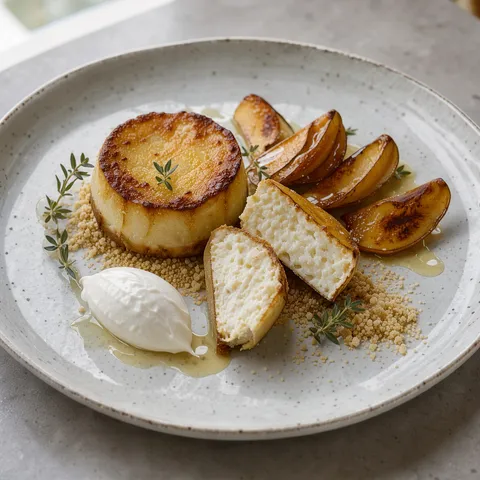
- Cool and cut the cakes: Set aside two cakes for each plate. Leave one whole and cut the other in half, so the grainy texture of the cheese shows on the cut face
- Plate: Spread a spoonful of halva sand in the centre of a flat plate and set a whole cake on it, caramelised side up. Lean the cake halves against it, cut sides facing out. Arrange four pear slices in a crescent in front of the cakes
- Finish: Shape a quenelle of fresh curd cheese cream with two spoons and place it beside the whole cake. Drizzle a spoonful of the thyme honey syrup over the cake and pears and scatter the remaining halva sand over the plate. Add a few fresh thyme leaves and a pinch of flaky salt on top of the cake and serve while the cakes are warm
Chef's note
The idea behind Canakkale peynir helvasi (unsalted cheese, toasted semolina and a crust caramelised in the oven) is kept, but the tray halva becomes individual cakes with a slightly wobbly centre. The toasted semolina also turns into a crisp sand, the thyme and honey of the Kaz Mountains into a syrup, and the fresh curd cheese cream and caramelised pears give the dessert freshness and acidity. If cheese for halva is unavailable, use a mix of unsalted fresh curd cheese and fresh cow's milk cheese. The honey is shop-bought.
Frequently asked questions
- How do I stop the cheese halva cakes sticking to the tin?
- Grease the muffin tin with soft butter and dust it with caster sugar. The sugar forms a thin caramel crust on the sides in the oven. Turn the cakes out once they have cooled slightly.
- Why should the centre of the cake still wobble?
- The centre should have a slight wobble when it comes out, as it firms up while cooling. Leave the cakes in the tin for 10 minutes, then turn them out.
- How do I caramelise the pear?
- Cook the pear slices in foaming butter for 3 minutes, until the undersides are golden. Turn them and cook for 2 minutes more, then glaze with honey and lemon juice.
 Cheese Halva1 hr 30 min · Dessert
 Chilled Wheat Yoghurt Soup1 hr · Soup
 Noodle and Yoghurt Soup1 hr 10 min · Soup
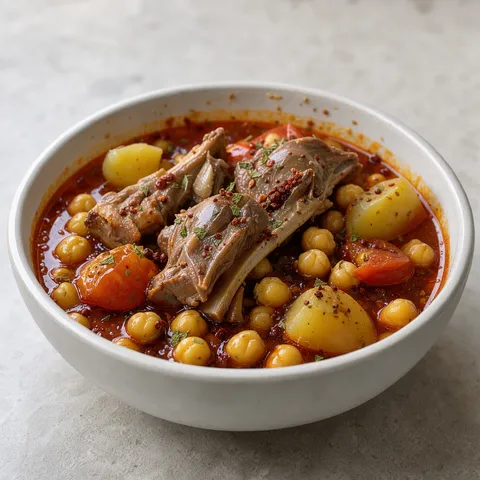 Lamb, Chickpea and Potato Stew1 hr 15 min · Soup
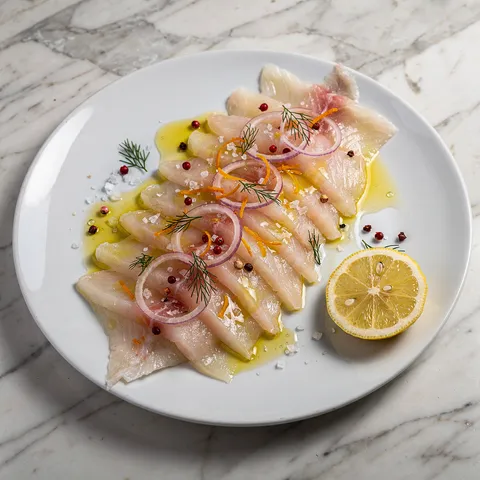 Marinated Sea Bass30 min · Meze
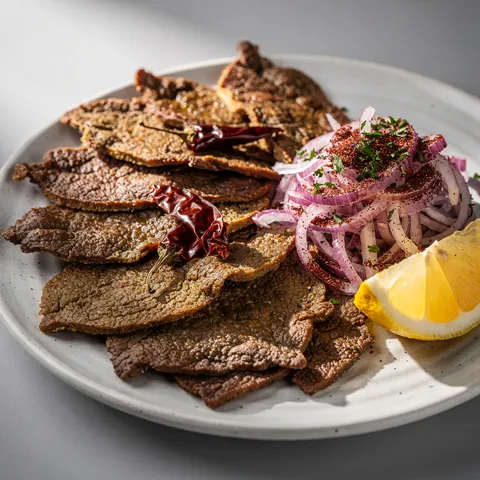 Crispy Fried Liver Slices25 min · Meze
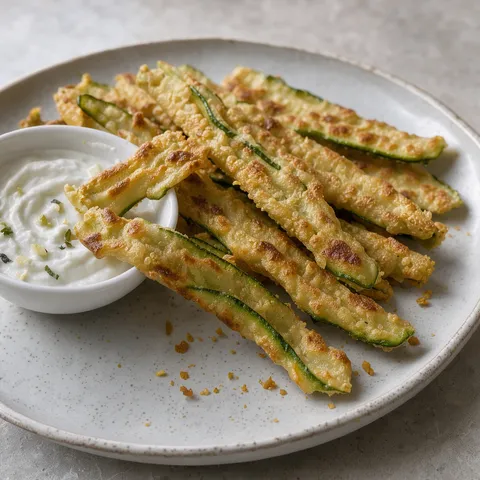 Courgette Crisps30 min · Meze