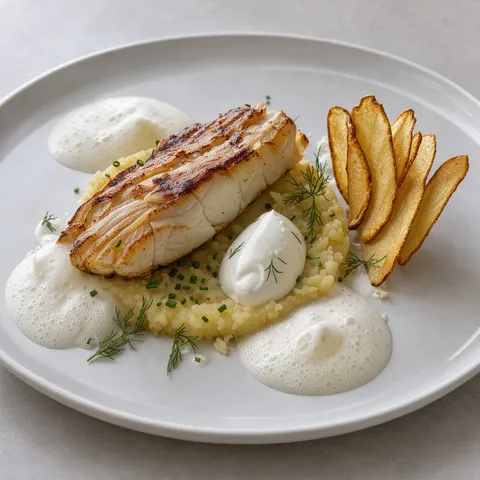
Plokkfiskur 2.0
An Icelandic main course. Takes 1 hr 10 min, Serves 4. Difficulty: professional.
At a glance
- Total time
- 1 hr 10 min
- Serves
- Serves 4
- Difficulty
- Professional
- Cuisine
- Icelandic cuisine
- Dish type
- Main course
- Allergens
- Gluten, Milk, Fish
Ingredients
Fish
- 4 pieces of cod loin (about 150 g each, 3 cm thick, skinless)
- 1 tsp salt
- 1 tbsp sunflower oil
- 30 g butter
- 2 fresh thyme sprigs
- 1 garlic clove (crushed in its skin)
Potato mash
- 600 g floury potatoes
- 1.5 litres water
- 1 tsp salt (for boiling)
- 60 g butter
- 1 small onion (about 80 g, finely chopped)
- 100 ml milk
- 1/2 tsp salt
- 1/4 tsp white pepper
- a pinch of nutmeg
- 2 tbsp chives (finely chopped)
Potato skin crisps
- potato peelings (from above)
- 1 tbsp sunflower oil
- a pinch of salt
Skyr sauce
- 150 g strained (Greek-style) yoghurt
- 2 tbsp dill (finely chopped)
- 1 tsp lemon juice
- 1/2 tsp finely grated lemon zest
- a pinch of salt
Milk foam
- 150 ml milk
- 20 g butter
- a pinch of salt
Garnish
- 8 dill tips
Equipment
- Mixing bowls
- Oven
- Vegetable peeler
- Chef's knife
- Chopping board
- Saucepan
- Colander
- Baking tray
- Baking paper
- Potato masher
- Wooden spoon / spatula
- Fine grater
- Cast-iron frying pan
- Palette knife
- Probe thermometer
- Stick blender
- Cake ring / food ring (optional)
Method
- Salt the cod: Pat the fillets dry with kitchen paper, salt both sides and leave uncovered in the fridge for 20 min. The salt firms up the loose flesh of the cod and stops it breaking up in the pan. Before cooking, blot off the surface moisture with kitchen paper
- Preheat the oven and peel the potatoes: Preheat the oven to 200°C (conventional). Wash the potatoes well and peel them with a peeler into long strips about 2 mm thick. Put the peelings in cold water and cut the potatoes into 3 cm cubes
- Boil the potatoes: Put the cubes in a saucepan with 1.5 litres cold salted water and cook for 15 min after it comes to the boil, until a knife goes in easily. Drain in a colander, return to the pan and shake over low heat for 1 min to drive off the excess steam. Dry potato absorbs the butter and milk better
- Bake the potato skin crisps: Take the peelings out of the water and dry thoroughly with kitchen paper, rub with the oil and salt and spread in a single layer on a tray lined with baking paper. Bake on the middle shelf for 12-15 min until golden and crunchy, turning at 8 min. The peel discarded in the classic plokkfiskur gives the plate crunch here
- Brown the butter and cook the onion: While the potatoes boil, cook the 60 g butter in a small saucepan over medium heat for 4-5 min until the foam subsides and the solids at the bottom turn hazelnut brown. Lower the heat, add the onion and cook for 6 min until soft and sweet. The onion cooked in butter in the classic is deepened here by the nutty flavour of browned butter
- Make the potato mash: Warm the milk. Roughly mash the dried potatoes with a potato masher, then add the brown butter onion with all the butter left in the pan and the warm milk and mix with a wooden spoon. Season with salt, white pepper and nutmeg and fold in the chives. It shouldn't be completely smooth: leave small pieces here and there. Keep hot, covered, over the lowest heat
- Make the skyr sauce: Grate the lemon zest with a fine grater, without going into the white pith. Mix the strained yoghurt with the dill, lemon juice, grated zest and salt in a bowl. It should be thick and tangy: strained yoghurt stands in for Icelandic skyr. Keep in the fridge until serving
- Fry the cod: Heat the oil in a 28 cm cast-iron frying pan over high heat until almost smoking. Lay in the fillets presentation side down and fry for 4 min without moving until a deep golden crust forms. Turn with a fish slice, lower the heat to medium and add the butter, thyme and garlic. Tilt the pan towards you and spoon the foaming butter over the fish constantly for 4-5 min. The internal temperature at the thickest point should be at least 58-60°C, with the flesh completely opaque and ready to flake. Drain on kitchen paper
- Make the milk foam: While the fish fries, heat the milk, butter and salt in a small saucepan over low heat to 65°C on a thermometer. Tilt the pan and run a stick blender just below the surface for 30 sec: plenty of light foam forms
- Plate: Set an 8 cm pastry ring in the centre of each warmed plate, fill with potato mash, press down with a spoon and lift off the ring. Place the cod on the mash, browned side up. Add a quenelle of skyr sauce alongside, shaped with two spoons. Spoon 2 tbsp milk foam over and around the fish, stand 3-4 potato skin crisps upright in it and finish with the dill tips. Serve immediately
Chef's note
Plokkfiskur's quartet of fish, potato, onion and butter has been taken apart and rebuilt here: instead of mashed fish there is a whole piece of cod fried and basted with butter, and instead of the béchamel mash a brown butter potato mash. The milk foam alongside is a light echo of the milky sauce in the classic. As skyr is unavailable, strained yoghurt is used. Frozen cod loin is available in supermarkets: thaw overnight in the fridge and dry thoroughly. Sea bass fillet also works instead of cod, and the frying time is 1 min shorter. Wild cod carries a risk of anisakis, so it is cooked until completely opaque in the centre and at least 58-60°C. For pregnant women, young children, older people and anyone with a weakened immune system, the centre must be completely opaque.
Frequently asked questions
- How do I stop the cod falling apart in the pan?
- Salt the fillets on both sides and leave uncovered in the fridge for 20 minutes. Salt firms up the loose flesh of cod.
- Aren't the potato skins thrown away?
- No, they turn into crisp chips. Dry the skins, rub with oil and salt, and bake at 200°C for 12-15 minutes, turning at the 8-minute mark.
- What if I don't have skyr for the sauce?
- The recipe uses strained yoghurt instead of skyr. Mix it with dill, lemon juice, grated lemon zest and salt. The sauce should be thick and slightly tangy.
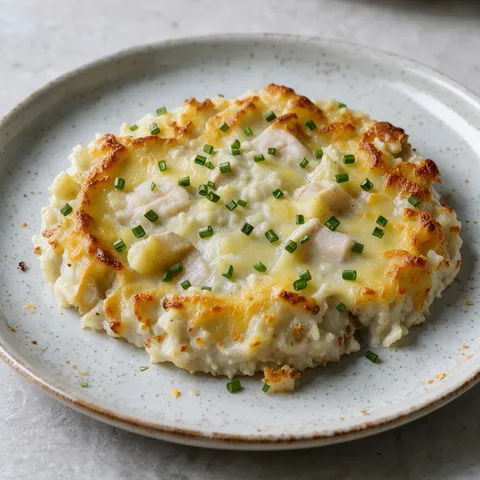 Icelandic Buttery Cod and Potato Gratin55 min · Main course
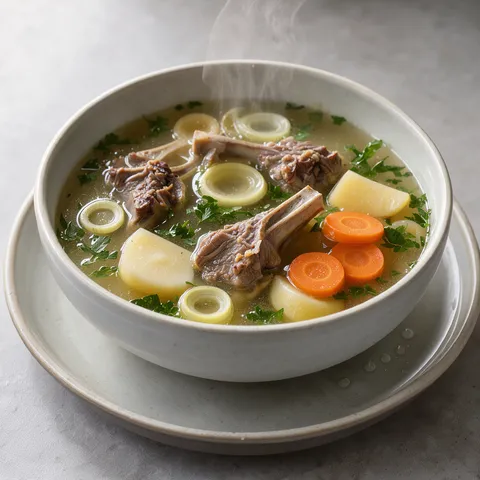 Icelandic Lamb and Root Vegetable Soup1 hr 25 min · Soup
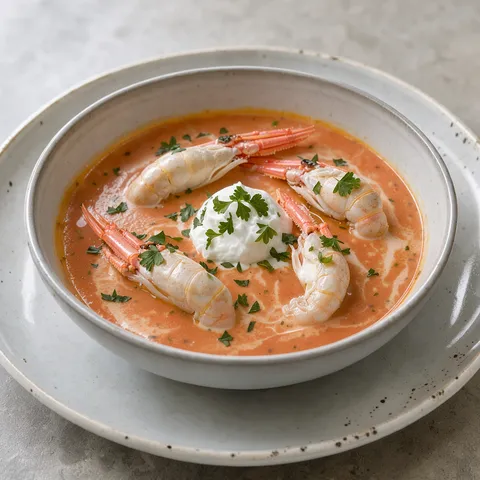 South Icelandic Creamy Langoustine Soup1 hr 28 min · Soup
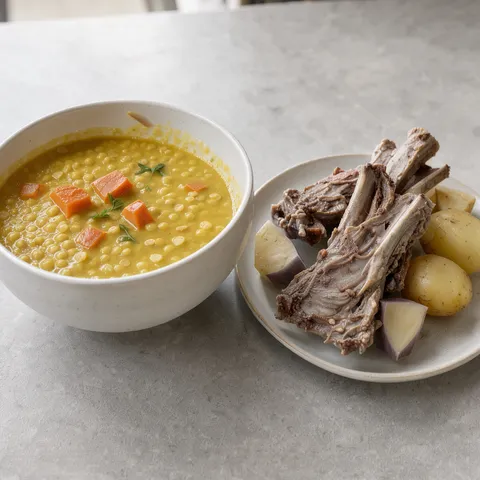 Icelandic Lamb and Split Pea Soup1 hr 35 min · Soup
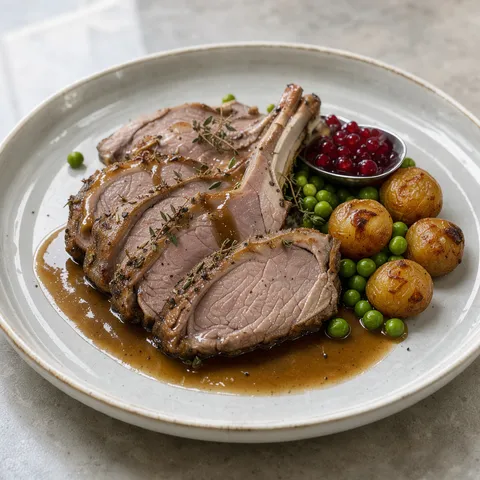 Icelandic Roast Leg of Lamb with Thyme2 hr 10 min · Main course
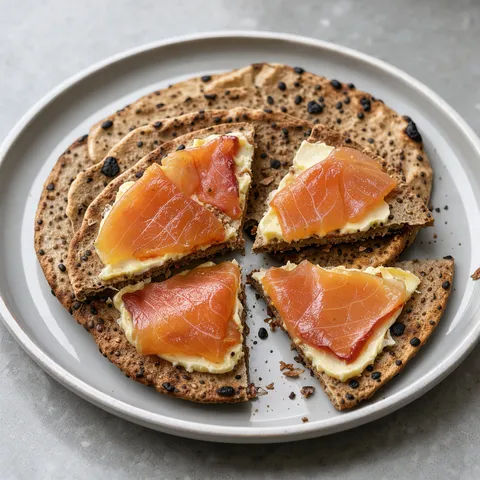 Icelandic Rye Flatbreads Charred in a Dry Pan50 min · Bread & pastry
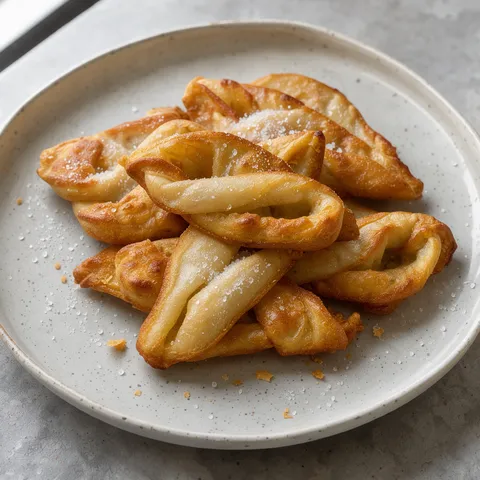 Icelandic Twisted Cardamom Doughnuts1 hr 10 min · Patisserie