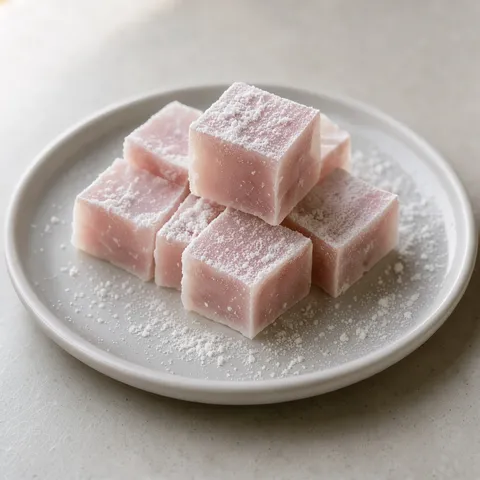
Plain Turkish Delight Sade Turk Lokumu
A Turkish dessert. Takes 1 hr 20 min · +8 hr resting, about 60 küp (20 cm squares tin). Difficulty: medium.
At a glance
- Total time
- 1 hr 20 min · +8 hr resting
- Serves
- about 60 küp (20 cm squares tin)
- Difficulty
- Medium
- Cuisine
- Turkish cuisine
- Dish type
- Dessert
- Diet
- Vegetarian, Vegan, Gluten-free
- Allergens
- Contains none of the 14 listed allergens
Ingredients
Syrup
- 500 g caster sugar
- 250 ml water
- 1 tbsp lemon juice
Starch mixture
- 130 g cornflour
- 1/2 tsp citric acid
- 600 ml cold water
Flavouring
- 2 tbsp rosewater
- 80 g pistachios (coarsely broken)
Tin and dusting
- 20 cm square tin
- 1 tbsp sunflower oil
- 100 g cornflour
- 100 g icing sugar
Equipment
- Sugar thermometer
- Heavy-based saucepan
- Balloon whisk
- Wooden spoon / spatula
- Silicone spatula
- Baking paper
- Frying pan
- Cake tin
- Chef's knife
- Mixing bowls
- Pastry brush
Method
- Prepare the tin: Lightly oil the tin, line with baking paper and oil the paper too. Turkish delight is a sticky gel, and without oil it is impossible to remove. Warm the pistachios in a dry pan for 2 min. Line up all the ingredients next to the hob, as it is hard to take a break during cooking (~5 min)
- Boil the syrup: Bring the sugar, 250 ml of water and the lemon juice to the boil in a large saucepan over medium heat. Once the sugar has dissolved, stop stirring and cook for 10 min until the sugar thermometer shows 110°C. The tip of the thermometer should be submerged in the syrup but not touching the base. At this stage the sugar should be fully dissolved and the syrup slightly thickened, and the lemon juice stops the sugar crystallising. Wipe sugar crystals from the side of the pan with a wet brush (~12 min)
- Make the starch paste: In another saucepan, whisk the cornflour and citric acid with the 600 ml of cold water until lump-free. Whisk constantly over medium heat. In 4-5 min the mixture turns into a thick, translucent jelly. It is ready if the whisk leaves a trail (~6 min)
- Combine: Add the hot syrup to the starch jelly in a thick thread, keeping your arm away from the top of the pan and using a long-handled whisk, and stir quickly. The 110°C syrup burns if it splashes. The mixture looks fluid at first and then thick. Turn the heat to low and cook uncovered for 45-60 min, going by colour and consistency rather than time, scraping the base with a wooden spoon every 5 min. If the base of the pan catches the Turkish delight darkens and turns bitter (~50 min)
- Check the consistency: The Turkish delight is ready between 45 and 60 min, when it has turned light amber and flows from the spoon in a thick ribbon. Drop 1 drop onto a cold plate, and if after 1 min it holds its shape when touched with your hand without sticking, it is done. If it is runny, cook for another 5 min. Submerge the tip of the thermometer in the middle of the mixture without touching the base, and at this stage you should see 108-110°C (~3 min)
- Add the flavouring: Turn off the heat, stir in the rosewater and add three quarters of the pistachios. Quickly pour into the tin, level the surface with a spatula and press on the remaining pistachios. Rosewater evaporates in the heat, which is why it is added after turning off the heat (~3 min)
- Cut and coat in icing sugar: Rest uncovered at room temperature for 8 hr. For the dusting mixture, mix the cornflour and icing sugar in a bowl and sprinkle over the worktop. Turn the Turkish delight out of the tin and cut into 2.5 cm cubes with an oiled knife, rolling each in the dusting powder and shaking off the excess. Turkish delight keeps for 2 weeks in a closed container in a dry, cool place (~1 min)
Chef's note
Turkish delight is a traditional confection made with starch, sugar and water and is naturally vegan. It is closely associated with Istanbul confectionery. On a first attempt at home, the syrup temperature and cooking time are the most critical points, and using a sugar thermometer decides the result. As no regional Turkish delight record could be verified, no region name was put in the title. For colour, a drop of beetroot juice can be added to the rosewater.
Frequently asked questions
- Why does Turkish delight stick to the tin and how do you prevent it?
- Turkish delight is a sticky gel, so the tin and the baking paper lining it must be greased. Without oil it becomes impossible to get out of the tin.
- Why does Turkish delight darken and turn bitter?
- If the bottom of the pan catches, the delight darkens and turns bitter. Stir from the bottom with a wooden spoon every 5 minutes while it cooks.
- How long does Turkish delight keep?
- It keeps for 2 weeks in a covered container in a cool, dry place. The cubes are tossed in a mix of cornflour and icing sugar so they don't stick together.
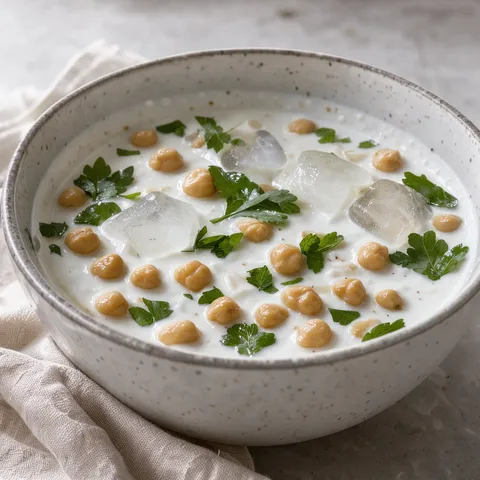 Chilled Wheat Yoghurt Soup1 hr · Soup
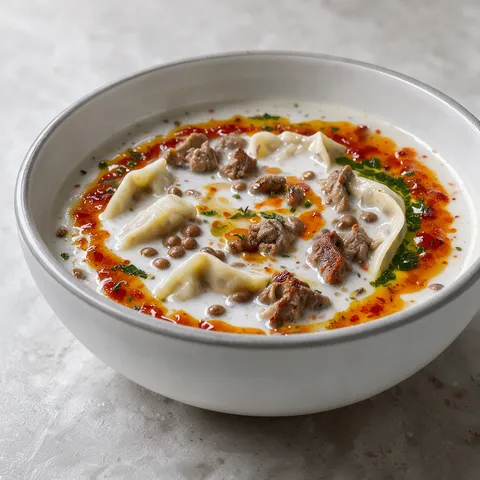 Noodle and Yoghurt Soup1 hr 10 min · Soup
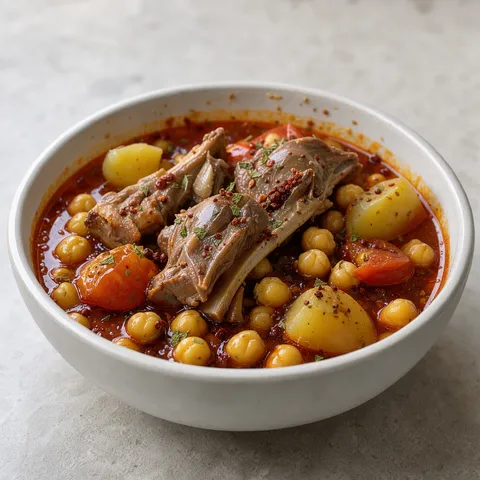 Lamb, Chickpea and Potato Stew1 hr 15 min · Soup
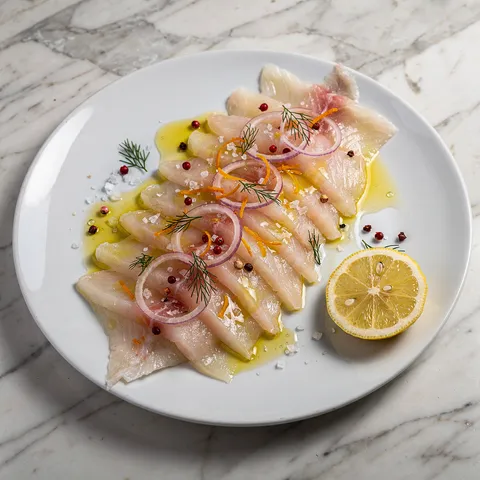 Marinated Sea Bass30 min · Meze
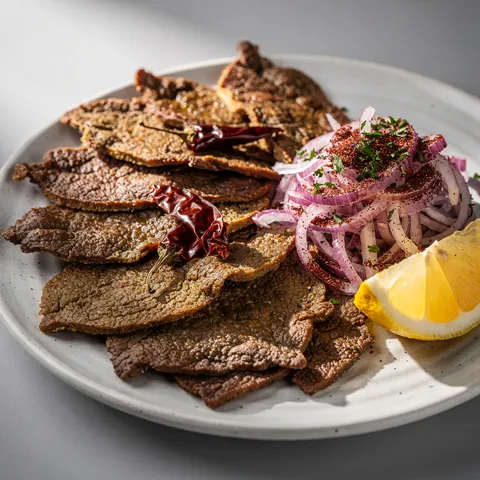 Crispy Fried Liver Slices25 min · Meze
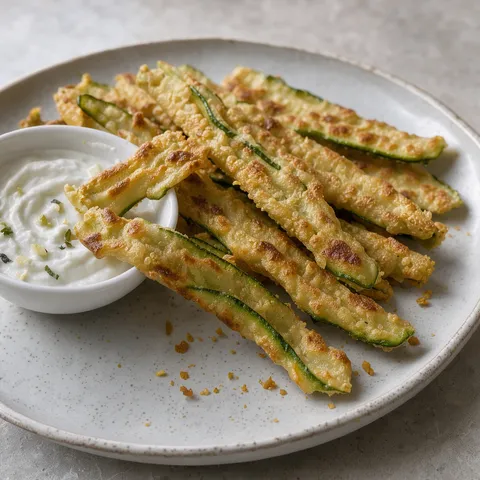 Courgette Crisps30 min · Meze