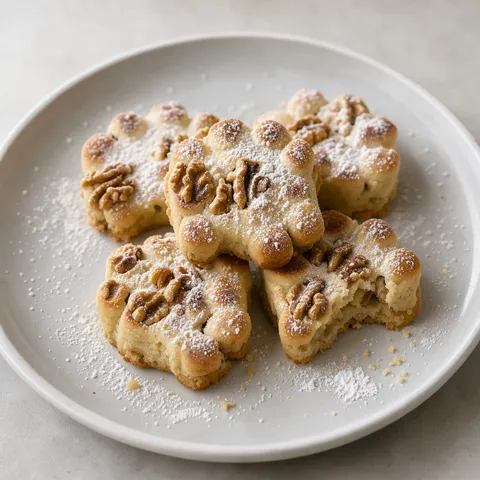
Bosnian Walnut Bear Paw Biscuits Šape
A Bosnian patisserie. Takes 1 hr 15 min · +30 min resting, Serves 4. Difficulty: medium.
At a glance
- Total time
- 1 hr 15 min · +30 min resting
- Serves
- Serves 4
- Difficulty
- Medium
- Cuisine
- Bosnian cuisine
- Dish type
- Patisserie
- Diet
- Vegetarian
- Allergens
- Gluten, Milk, Eggs, Tree nuts
Ingredients
Dough
- 400 g plain flour
- 200 g cold butter
- 150 g icing sugar
- 150 g walnuts (finely ground)
- 2 eggs
- finely grated zest of 1 lemon
- 1 tsp Vanilla Sugar and Vanilla Extract (Basics)
- 1/4 tsp salt
For the moulds
- 20 g softened butter
Coating
- 100 g icing sugar
- 1 tsp Vanilla Sugar and Vanilla Extract (Basics)
Equipment
- Mixing bowls
- Dough scraper
- Cling film
- Tart tin
- Pastry brush
- Oven
- Baking tray
- Food processor
Method
- Make the dough: Finely grind the walnuts in a food processor. Put the flour, icing sugar, ground walnuts and salt in a large bowl. Add the cold butter in cubes and rub in with your fingertips until the mixture resembles coarse sand. Add the eggs, the lemon zest grated on the fine side of the grater and the vanilla, and bring together with a dough scraper just until it holds. Wrap the dough in cling film and rest in the fridge for 30 min: cold dough presses into the moulds without sticking. Takes 10 min
- Grease the moulds (while it rests): Brush 24 bear-paw šape moulds (6 cm) or fluted mini tartlet tins thinly with softened butter, right into every groove. Preheat the oven to 180°C. For the coating, mix the icing sugar and vanilla on a large plate
- Press the first batch: Take pieces of dough of about 20 g and press them into the moulds with your thumb, lining them 4-5 mm thick right into the grooves and up the sides. Trim the top edge neatly. Fill the 24 moulds and arrange them on a baking tray. Takes 10 min
- Bake the first batch: Bake on the middle shelf for 12-14 min, until the edges are pale golden. Overbaked šape turn hard and slightly bitter: they should stay pale. Takes 14 min
- Unmould: Let the moulds cool slightly for 2-3 min, then turn them over and tap gently on the work surface to release the biscuits. They are fragile while hot and hard to release from cold moulds, so unmoulding while warm is best. Roll them in the vanilla icing sugar while still warm. Takes 5 min
- Press the second batch: Wipe the moulds with kitchen paper, grease thinly and press in the second batch with the remaining dough in the same way. Takes 12 min
- Bake the second batch: Bake for 12-14 min, until the same colour. Takes 14 min
- Unmould and coat: Unmould the second batch while warm too and roll in the vanilla icing sugar. Once completely cool, roll them in the sugar once more: the second coat gives a white, velvety surface. They keep for 2 weeks in an airtight tin. Takes 10 min
Chef's note
Šape (paws) are known as moulded biscuits made for every celebration from Christmas to Eid in Bosnia and the countries of former Yugoslavia, taking their name from the fluted mould that looks like a bear's paw. The moulds are handed down through families from generation to generation: if unavailable, fluted mini tartlet tins do the same job. How they differ from the Vanilice on this site: no jam, and the dough is pressed into moulds to bake. Makes about 48.
Frequently asked questions
- How are the Sape taken out of the moulds?
- Warm the moulds for 2-3 minutes, turn them over and tap lightly on the work surface. The biscuits are fragile when hot and hard to release from a cold mould, so it is best to unmould them while warm.
- Why are the biscuits rolled in icing sugar twice?
- First while warm, then again when completely cold. The second coat gives a white, velvety surface.
- What happens if the sape are overbaked?
- Overbaked sape turn hard and slightly bitter. The colour should stay pale golden. They keep for 2 weeks in a tin with a lid.
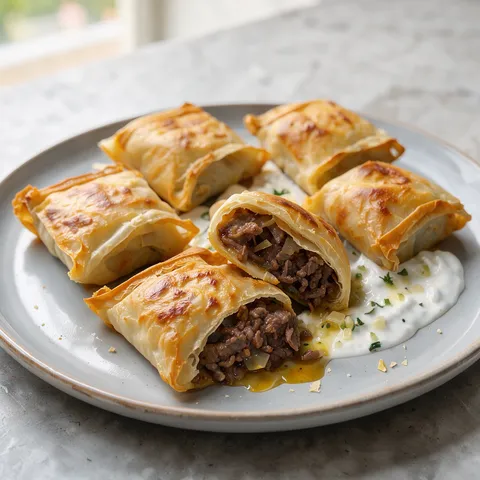 Bosnian Baked Manti1 hr 20 min · Bread & pastry
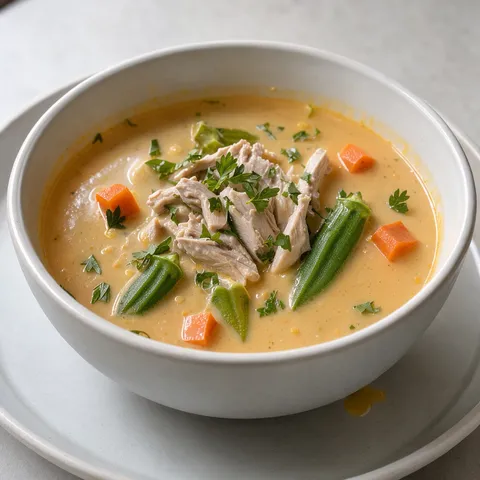 Sarajevo Bey's Soup with Chicken and Okra1 hr 30 min · Soup
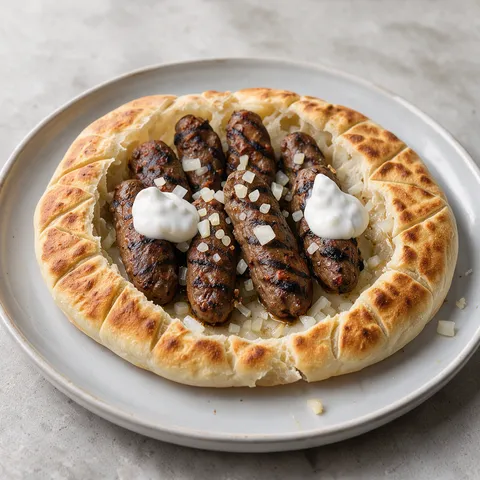 Sarajevo Ćevapi in Somun with Clotted Cream2 hr 25 min · Main course
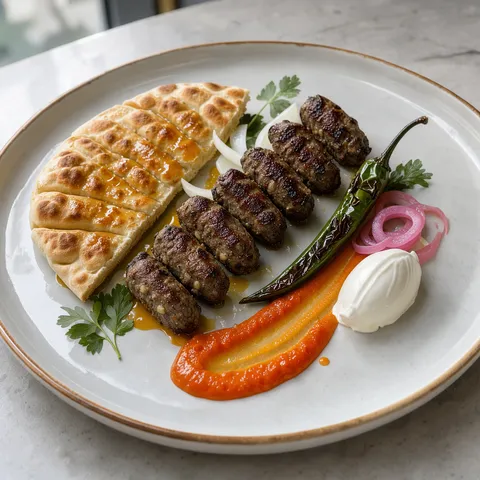 Ćevapi 2.01 hr 25 min · Main course
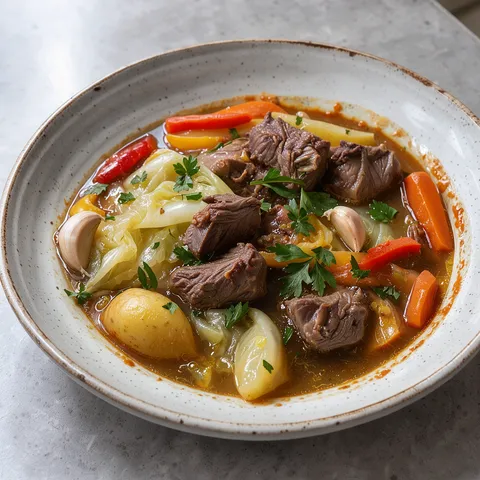 Bosnian Layered Beef3 hr 20 min · Main course
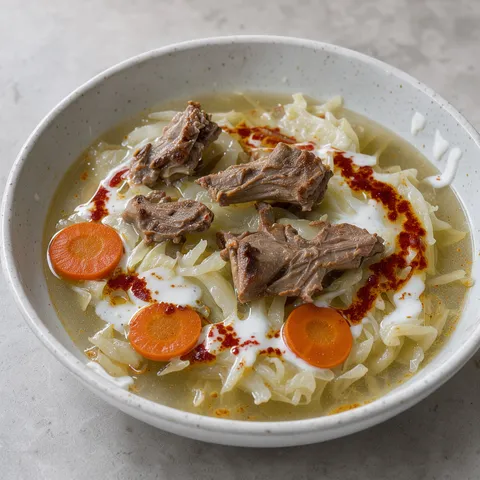 Bosnian Lamb and Sweet Cabbage Stew1 hr 50 min · Main course