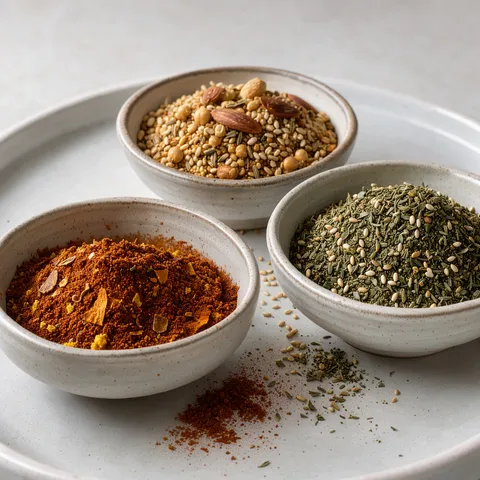
Ras el Hanout, Dukkah and Za'atar
A Moroccan basic recipe. Takes 15 min, 3 small jar (~200 g). Difficulty: easy.
At a glance
- Total time
- 15 min
- Serves
- 3 small jar (~200 g)
- Difficulty
- Easy
- Cuisine
- Moroccan cuisine
- Dish type
- Basic recipe
- Diet
- Vegetarian, Vegan, Gluten-free
- Allergens
- Tree nuts, Sesame
Ingredients
Ras el hanout
- 1 tbsp cumin seeds
- 1 tbsp coriander seeds
- 1 tsp ground ginger
- 1 tsp ground cinnamon
- 1 tsp ground turmeric
- 1/2 tsp allspice
- 4 cardamom pods
- 1 tsp black peppercorns
- 1 tbsp dried rose petals
Dukkah
- 100 g hazelnuts
- 3 tbsp sesame seeds
- 2 tbsp coriander seeds
- 1 tbsp cumin seeds
- 1 tsp black peppercorns
- 1 tsp salt
Za'atar
- 3 tbsp dried oregano
- 1 tbsp sumac
- 1 tbsp sesame seeds
- 1/2 tsp salt
Equipment
- Frying pan
- Pestle and mortar
- Wooden spoon / spatula
Method
- Ras el hanout: Toast all the spices, grind finely and add the dried rose petals
- Dukkah: Toast the hazelnuts and seeds, then pound them coarsely in a pestle and mortar. Dukkah should have texture
- Za'atar: Mix the oregano, sumac, toasted sesame seeds and salt
- Store: Store in separate jars
Chef's note
Dukkah should be coarse, not a powder.
Frequently asked questions
- What texture should dukkah have?
- Dukkah should be textured. Toast the hazelnuts and seeds and leave them coarsely crushed in a mortar.
- What is za'atar made from?
- Thyme, sumac, toasted sesame seeds and salt are mixed.
- How is rose added to ras el hanout?
- Toast and finely grind the spices, then add the dried rose petals.
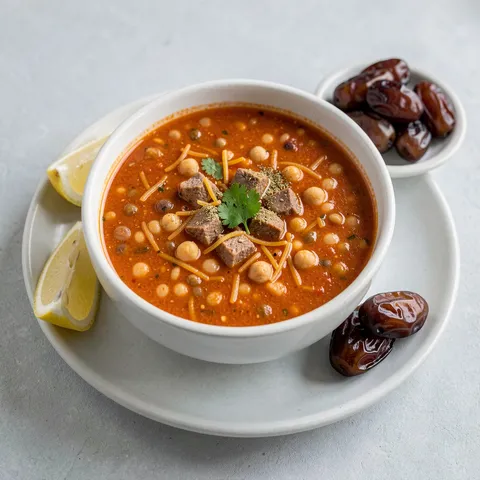 Harira2 hr · Soup
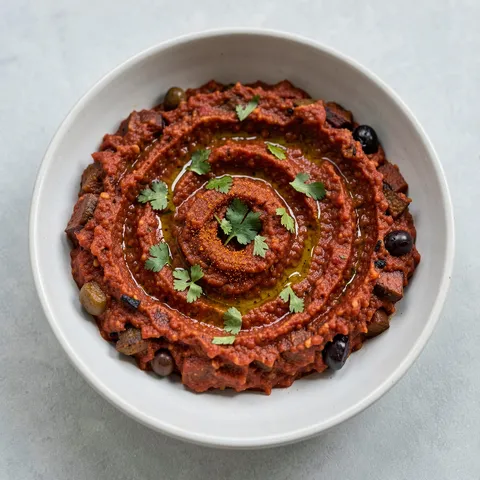 Moroccan Aubergine and Tomato Salad1 hr 30 min · Meze
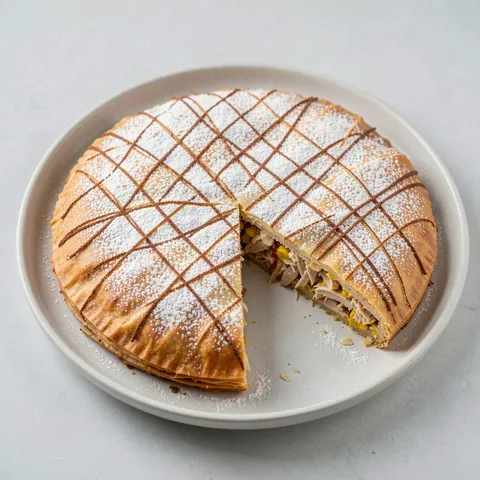 Chicken Bastilla3 hr 15 min · Main course
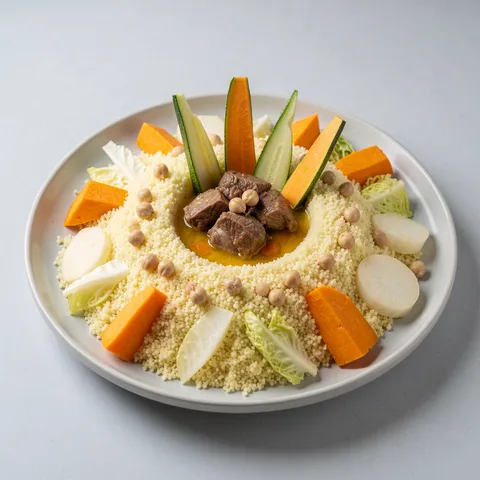 Couscous Bidaoui3 hr · Main course
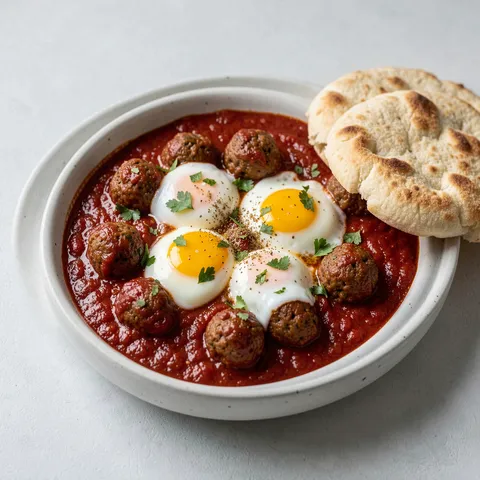 Meatball Tagine in Tomato Sauce with Eggs1 hr · Main course
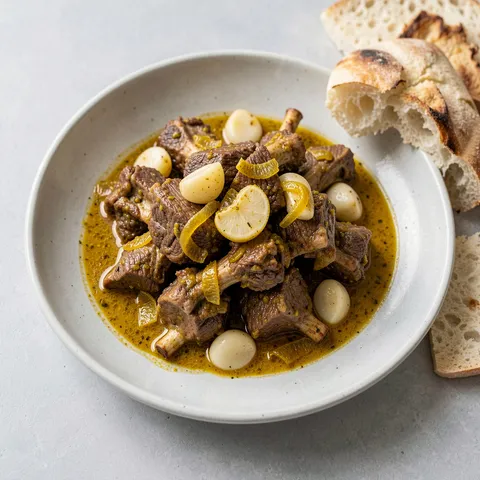 Marrakech Clay Jar Kebab5 hr 30 min · Main course