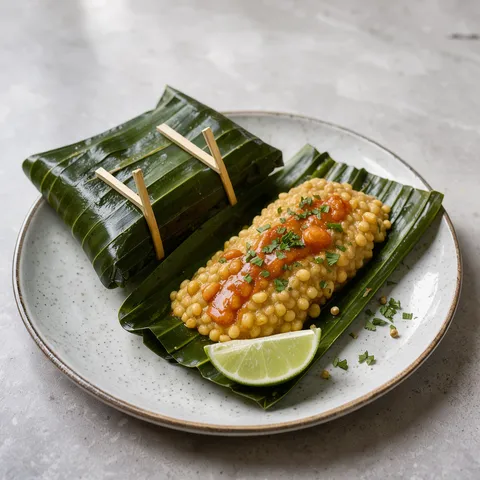
Bahian Steamed Black-Eyed Bean Parcels Abará
A Brazilian main course. Takes 1 hr 33 min · + 8 hr soaking (black-eyed beans), 10 pieces (4 servings). Difficulty: medium.
At a glance
- Total time
- 1 hr 33 min · + 8 hr soaking (black-eyed beans)
- Serves
- 10 pieces (4 servings)
- Difficulty
- Medium
- Cuisine
- Brazilian cuisine
- Dish type
- Main course
- Diet
- Gluten-free
- Allergens
- Crustaceans
Ingredients
Batter
- 300 g dried black-eyed beans (soaked overnight in water)
- 1 large onion
- 2 cm piece fresh ginger
- 4 tbsp dendê (palm oil)
- 1 tsp salt
- 120 ml cold water
Wrapping
- 10 pieces banana leaf (about 25×25 cm)
- kitchen string
Sauce
- 1 onion
- 40 g dried prawns
- 3 tbsp dendê
- 1 long green pepper
- 1 tsp chilli flakes
- 100 ml water
- salt
To serve
- 1 tbsp coriander (chopped)
- 1 lime
Equipment
- Steamer basket
- Food processor
- Wooden spoon / spatula
- Colander
- Mixing bowls
- Saucepan
- Frying pan
Method
- Peel the beans: Rub the overnight-soaked beans between your palms in plenty of water and skim off the skins that rise to the surface with a slotted spoon. If skins remain, the batter turns grey and tastes bitter. Drain the skinless beans (~15 min)
- Grind the batter: Blend the beans, chopped onion, ginger and 120 ml cold water in a food processor for 3 min to a thick, smooth purée. The batter should barely fall from a spoon, as a runny batter makes the parcels fall apart (~8 min)
- Aerate: Put the batter in a bowl and beat it quickly with a wooden spoon for 5 min until the surface turns slightly white. Then add the dendê and salt and stir for 1 more min. Beaten batter stays soft when steamed (~6 min)
- Soften the leaves: Heat the banana leaves in a dry frying pan over low heat for 20 sec on each side until glossy and pliable. If a leaf cracks, it has not been heated enough. Put 3 tbsp batter in the centre of each piece (~8 min)
- Wrap: Fold the leaves in from the sides first, then the bottom and top, and tie with kitchen string. The parcel should be loose enough for the batter to expand slightly, but tight enough not to leak (~8 min)
- Steam and make the sauce: Put 3 fingers of water in a large pan and set a steamer basket in it. When the water boils, arrange the parcels, cover and cook for 40 min. Meanwhile, finely chop the onion and soften it in 3 tbsp dendê for 5 min. Add the dried prawns, chopped pepper, chilli flakes and 100 ml water and cook for 10 min until it reaches a runny sauce consistency. When the abará is ready, it should hold together, not feel hard, when squeezed by hand (~40 min)
- Rest: Take the parcels out of the steamer and rest for 5 min. The batter firms up as it rests and falls apart if unwrapped immediately (~5 min)
- Plate: Put 2-3 parcels on each plate and leave the leaves open at the sides. Spoon some hot onion and prawn sauce alongside, sprinkle with coriander and add a lime wedge. Spoon the batter out of the leaf to eat. The leaf is not edible (~3 min)
Chef's note
Abará is the unfried sibling of acarajé in Bahia: the same black-eyed bean batter is wrapped in a leaf and steamed this time. Dendê is available at African and Latin American grocers; if you cannot find it, olive oil can be used in the batter, but the aroma changes. Frozen banana leaves are available at Asian grocers. The salted batter thickens as it rests, so taste it before wrapping.
Frequently asked questions
- What is the difference between abará and acarajé?
- Both are made from black-eyed bean batter. Acarajé is fried in dendê oil, while abará is wrapped in banana leaf and steamed, and is softer.
- What can I use if I can't find banana leaf?
- You can wrap the parcels in baking paper with foil over it, but you lose the leaf's light aroma. Frozen banana leaf is sold in Asian and Latin American shops.
- Can I make abará ahead and store it?
- Yes, the parcels keep in the fridge for 3 days and are reheated by steaming for 10 minutes. They keep in the freezer for 1 month.
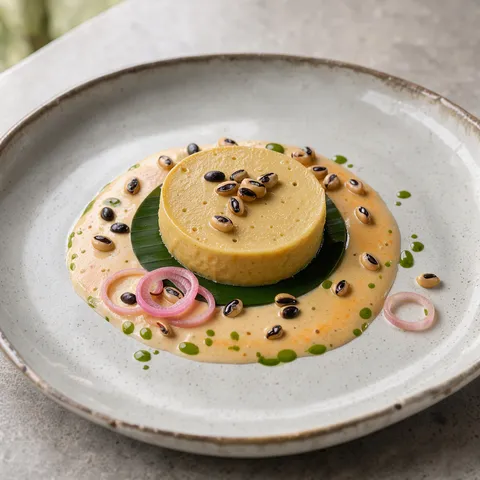 Abará 2.01 hr 24 min · Main course
 Brazilian Fried Tapioca Cheese Cubes1 hr 5 min · Meze
 Brazilian Street Picanha Skewers1 hr 2 min · Meze
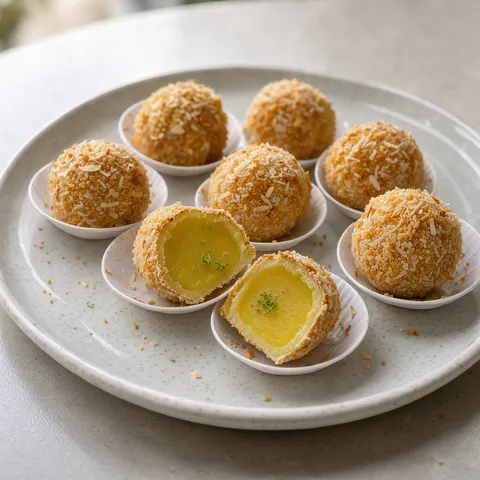 Brazilian Coconut Condensed Milk Balls1 hr 19 min · Meze
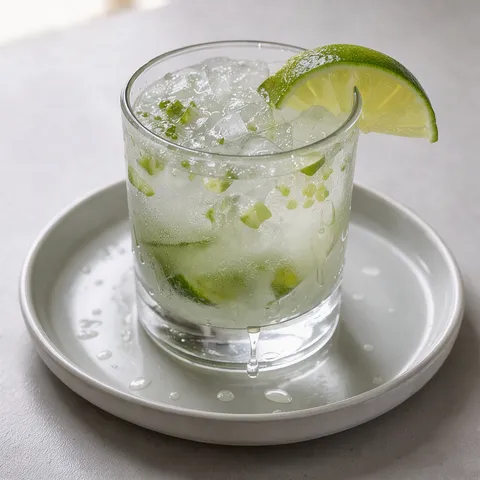 Brazilian Cachaça and Lime Cocktail12 min · Drink
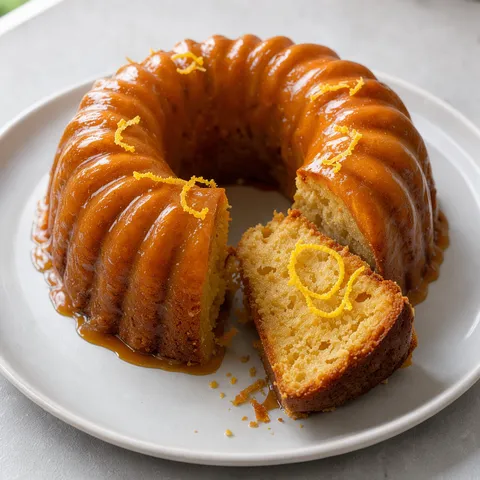 Bolo de Laranja1 hr 10 min · Patisserie
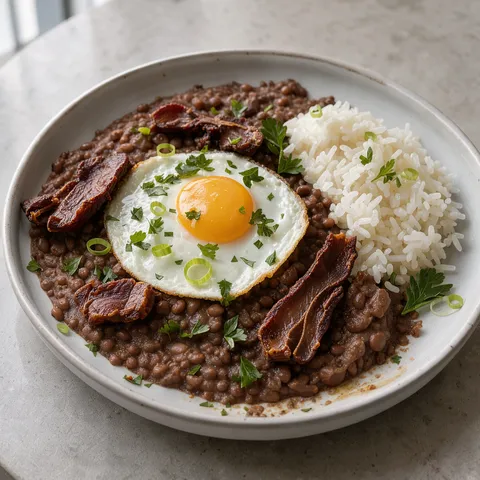 Tutu de Feijão1 hr 5 min · Main course