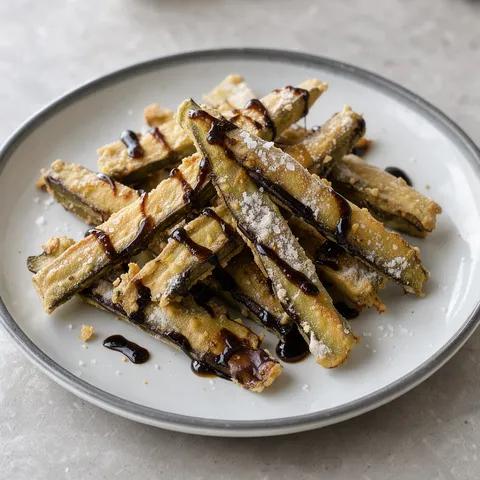
Andalusian Crisp-Fried Aubergine Berenjenas con Miel
A Spanish meze. Takes 1 hr 5 min, Serves 4. Difficulty: medium.
At a glance
- Total time
- 1 hr 5 min
- Serves
- Serves 4
- Difficulty
- Medium
- Cuisine
- Spanish cuisine
- Dish type
- Meze
- Allergens
- Gluten, Milk
Ingredients
Aubergine
- 2 medium aubergines (about 600 g)
- 500 ml milk
- 1 tsp salt
Coating
- 120 g plain flour
- 1/2 tsp salt
For frying
- 1 litre sunflower oil
To serve
- 4 tbsp grape molasses
- 1 tbsp lukewarm water (if needed)
- 1/2 tsp flaky sea salt
Equipment
- Chef's knife
- Chopping board
- Mixing bowls
- Heavy-based saucepan
- Probe thermometer
- Colander
- Baking tray
Method
- Cut the aubergines: Trim the stalk and base ends of the aubergines but don't peel them. First slice lengthways 1 cm thick, then cut the slices into batons 1 cm wide and 7-8 cm long. Even thickness means every baton cooks in the same time
- Soak in milk: Mix the milk and salt in a bowl and press the aubergine batons into it. Weigh down any that float with a plate. Leave for 30 min. The milk softens the aubergine's bitterness, the salt draws out moisture, and the porous flesh absorbs less oil when fried
- Heat the oil: For the last 10 min of soaking, put the oil into a 22 cm heavy-based pan (1 litre gives a depth of about 2.5 cm) and heat over medium-high heat to 180°C on a thermometer
- Drain and flour: Tip the aubergines into a colander and drain for 2 min: they should stay moist but not dripping. Mix the flour and salt in a wide bowl. Toss the batons in the flour a handful at a time and coat well, then shake gently in the colander to remove the excess. A thick layer of flour turns doughy when fried, while a thin layer gives a crisp crust
- Fry: Fry the batons in 4 batches, dropping them into the oil one by one so they don't stick together. Fry each batch for 3-4 min, turning now and then with a slotted spoon, until pale golden and crisp. Don't overcrowd the pan: the oil temperature drops and the aubergine soaks up oil. Let the oil return to 180°C between batches
- Drain and salt: Lift the fried batons onto a tray lined with kitchen paper and sprinkle with half the flaky salt while hot. The paper absorbs excess oil and the batons stay crisp for the first few minutes
- Prepare the molasses: If the molasses is very thick, loosen it in a small bowl with the 1 tbsp lukewarm water to a pourable syrup. It should run off a spoon in a thin thread: thick molasses pools in one spot and weighs the aubergine down
- Serve: Pile the aubergines onto a large plate, drizzle the molasses over in thin threads and sprinkle with the remaining flaky salt. Serve straight away: the balance of sweet and salty is best while hot, and aubergine left sitting in the molasses goes soft
Chef's note
This tapa is a familiar sight in Andalusia, especially around Córdoba and Málaga. The original is made with sugar cane molasses (miel de caña): as it is hard to find in Türkiye, grape molasses, which has the same dark, slightly burnt flavour, is used here. Carob molasses works too, while honey gives a lighter, more floral taste. Some restaurants cut the aubergine into thin rounds, in which case the frying time drops to 2 min.
Frequently asked questions
- Why are the aubergines soaked in milk?
- The milk softens the bitter taste of the aubergine, the salt draws out its water and the porous flesh absorbs less oil as it fries.
- How thick should the flour coating be?
- It should be thin. A thick coat of flour turns pasty when fried, whereas a thin coat gives a crisp crust.
- When is the molasses drizzled on?
- Drizzle it on at serving, just before eating. Aubergine left with the molasses goes soft, and the balance of sweet and salty is best while it is hot.
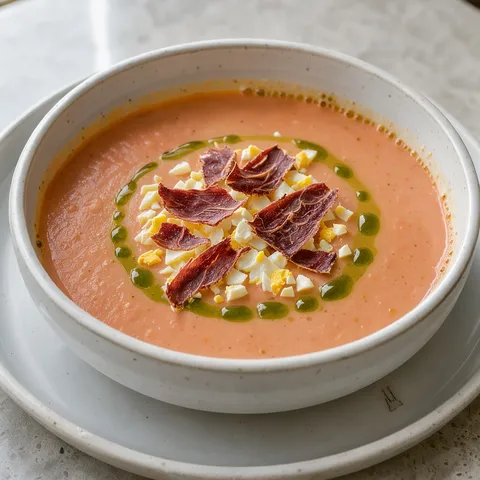 Cold Córdoba Tomato and Bread Soup25 min · Soup
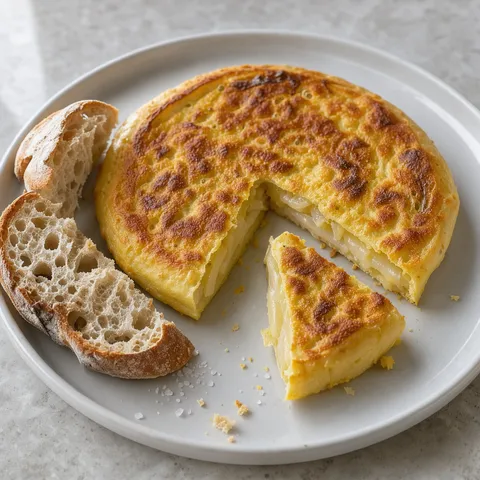 Spanish Potato Omelette1 hr 5 min · Main course
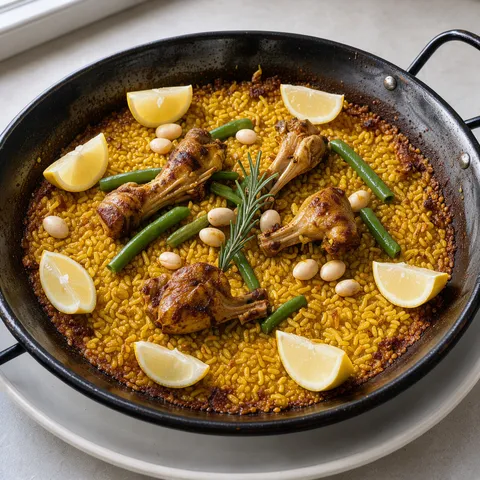 Paella Valenciana1 hr 20 min · Main course
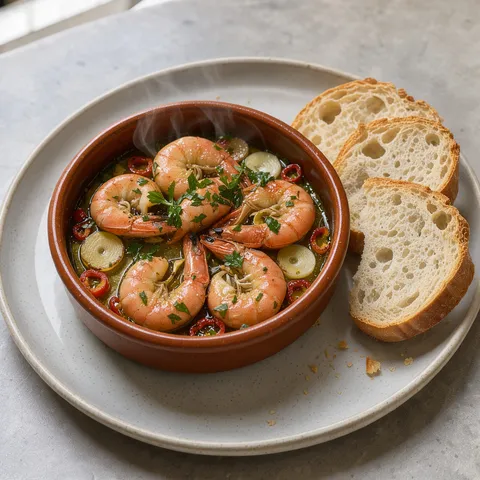 Sizzling Garlic Prawns20 min · Starter
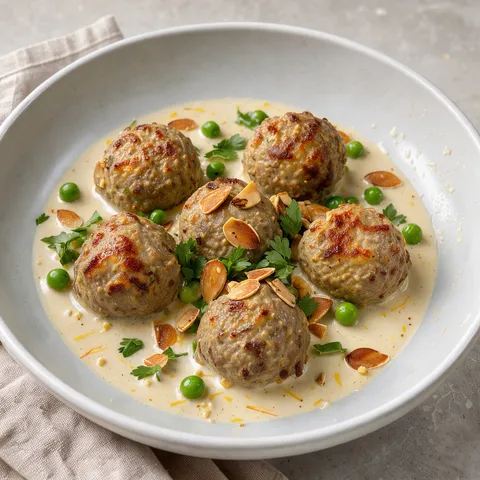 Meatballs in Almond Sauce1 hr 10 min · Main course
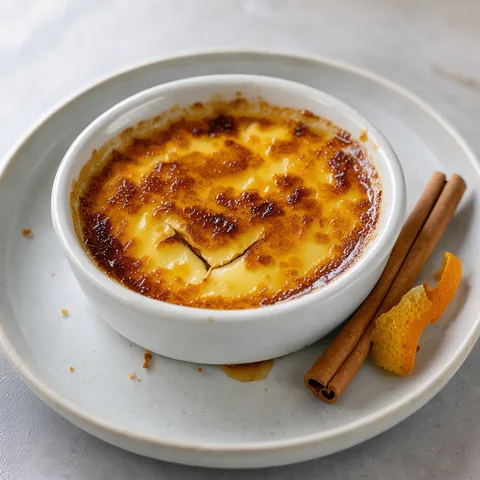 Catalan Burnt Cream35 min · Dessert