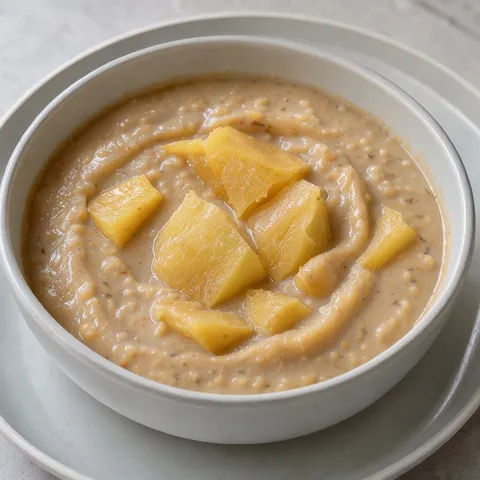
Botswana Melon and Sorghum Porridge Bogobe jwa Lerotse
A Botswanan side dish. Takes 55 min, Serves 4. Difficulty: medium.
At a glance
- Total time
- 55 min
- Serves
- Serves 4
- Difficulty
- Medium
- Cuisine
- Botswanan cuisine
- Dish type
- Side dish
- Diet
- Vegetarian
- Allergens
- Gluten, Milk
Ingredients
Melon
- 800 g winter melon (not very sweet, firm-fleshed, in place of lerotse, peeled and deseeded)
- 400 ml water
- 1/2 tsp salt
Porridge
- 200 g sorghum flour (or fine cornmeal if unavailable)
- 300 ml cold water
Optional
- 1 tbsp caster sugar
- 20 g butter
Equipment
- Chef's knife
- Chopping board
- Heavy-based saucepan
- Potato masher
- Mixing bowls
- Balloon whisk
- Wooden spoon / spatula
Method
- Prepare the melon: Slice the melon on a chopping board with a chef's knife, remove the skin and seeds and cut into 3 cm cubes. Lerotse is a fleshy, mildly sweet melon that grows in the Kalahari. An unripe, firm winter melon gives the closest texture
- Boil the melon: Put the melon cubes, 400 ml water and the salt in a heavy-based pan, bring to the boil and cook, covered, over medium-low heat for 15 min, until the cubes are completely soft and translucent
- Mash: Without taking the pan off the heat, mash the melon in its liquid with a potato masher. Some fibre and small pieces may remain. The texture of bogobe jwa lerotse is not smooth but slightly fibrous
- Loosen the flour: In a bowl, whisk the sorghum flour with the 300 ml cold water for 1 min, until a lump-free slurry. If the flour is poured straight into the hot purée, it clumps
- Add the slurry: While the melon purée is boiling, pour in the slurry in a thin thread, stirring constantly with a wooden spoon. The mixture starts to thicken within 1-2 min
- Cook the porridge: Lower the heat to the lowest, cover and cook for 20 min, lifting the lid every 5 min to stir and scrape the bottom with a wooden spoon. The porridge may spit, so keep your face away when lifting the lid. The raw, floury taste of the sorghum flour should go and the porridge should thicken enough to stand up on a spoon
- Season: Taste. If the melon is not sweet enough, add the sugar, and for a softer flavour add the butter, and stir for 1 min. Traditionally the sweetness of the melon itself is considered enough
- Rest: Turn off the heat and leave covered for 5 min. The porridge firms up and comes away easily from the sides
- Serve: Scoop the porridge onto plates with a wet spoon. In Botswana it is eaten with seswaa, chicken stew or sour milk (madila)
Chef's note
Bogobe jwa lerotse is a lightly sweet and slightly sour porridge made in Botswana by cooking lerotse melon with sorghum flour, and it is made at the end of summer, the melon season. Sorghum flour is sold in gluten-free aisles and health shops. If pumpkin is used instead of melon, you get a different but similar porridge.
Frequently asked questions
- Why does the bogobe porridge go lumpy?
- Sorghum flour goes lumpy if poured straight into the hot purée. First whisk the flour with 300 ml cold water into a smooth slurry, then pour it into the boiling melon purée in a thin stream, stirring constantly.
- What is used instead of lerotse melon?
- The recipe uses an unripe winter melon that is not very sweet and has firm flesh, which gives the closest texture to lerotse. If you can't find sorghum flour, fine cornmeal works too.
- What is bogobe jwa lerotse served with?
- In Botswana it is eaten with seswaa, chicken stew or soured milk (madila). Spoon the porridge onto plates with a wet spoon.
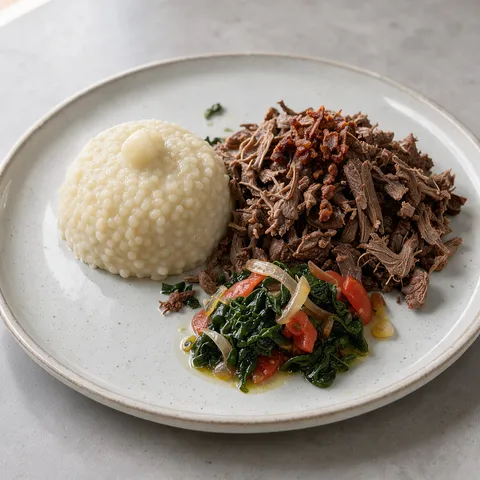 Seswaa and Bogobe1 hr 45 min · Main course
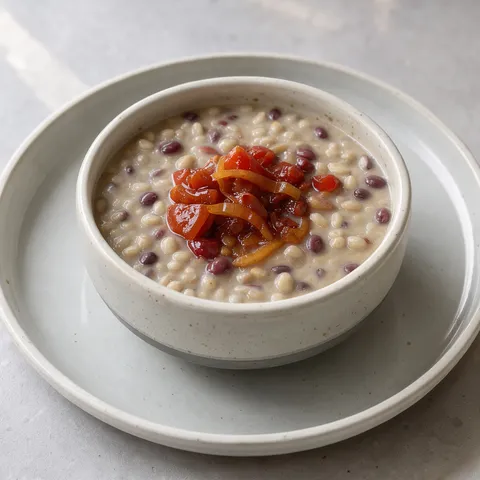 Botswana Cracked Maize and Beans1 hr 30 min · Main course
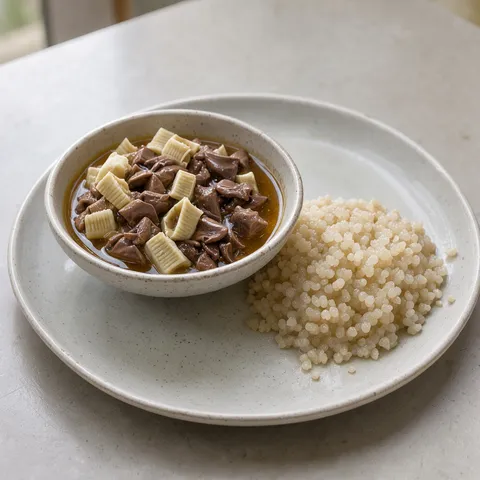 Botswana Finely Chopped Lamb Offal2 hr 10 min · Main course
 Botswana Chicken Stew1 hr 35 min · Main course
 Botswana Dry-Pan Yeast Flatbreads1 hr · Bread & pastry
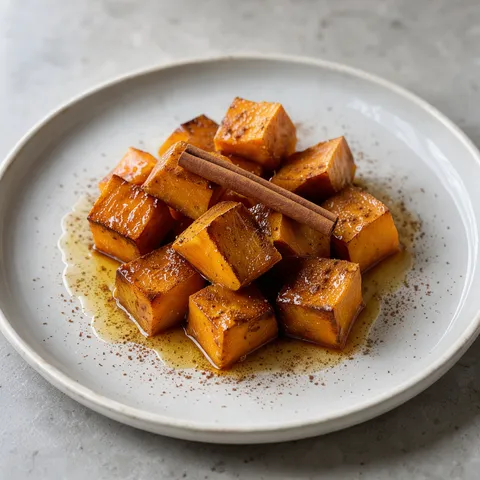 Botswana Cinnamon Butter Pumpkin40 min · Side dish