Cocada Amarela 2.0
An Angolan dessert. Takes 1 hr 25 min, Serves 4. Difficulty: professional.
At a glance
- Total time
- 1 hr 25 min
- Serves
- Serves 4
- Difficulty
- Professional
- Cuisine
- Angolan cuisine
- Dish type
- Dessert
- Diet
- Gluten-free
- Allergens
- Milk, Eggs, Peanuts, Tree nuts
Ingredients
Cocada cream
- 200 ml coconut milk
- 150 ml whole milk
- 50 g unsweetened desiccated coconut
- 2 cloves
- 1 cinnamon stick
- 5 egg yolks
- 90 g caster sugar
- a pinch of salt
Toasted coconut and peanut crunch
- 30 g unsweetened desiccated coconut
- 40 g raw shelled peanuts
- 20 g caster sugar
- 1 tbsp water
- a pinch of salt
Clove pineapple
- 1/2 ripe pineapple (about 400 g net)
- 30 g caster sugar
- 10 g butter
- 1 clove
- juice of 1 lemon
Brûlée
- 40 g caster sugar
To finish
- zest of 1 lemon (finely grated)
- a pinch of ground cinnamon
Equipment
- Oven
- Saucepan
- Baking tray
- Heavy-based saucepan
- Mixing bowls
- Balloon whisk
- Fine sieve / chinois
- Probe thermometer
- Sauté pan
- Frying pan
- Baking paper
- Chopping board
- Chef's knife
- Kitchen blowtorch
- Fine grater
Method
- Prepare the oven and the water bath: Preheat the oven to 150°C (conventional). Bring 1 litre water to the boil in a saucepan. Arrange four 150 ml ovenproof bowls in a 22×22 cm deep roasting tin, so that 1 litre of water reaches halfway up the bowls (about 2.5 cm). Here the stove-top custard of the classic cocada amarela becomes a baked custard that sets in a water bath, with a brûlée crust to finish
- Steep the milk: Heat the coconut milk, milk, 50 g coconut, cloves and cinnamon stick in a small heavy-based pan over medium heat until bubbles form at the edges (about 4 min). Take off the heat without boiling, cover and leave to steep for 10 min. The coconut and spices give their aroma to the milk
- Prepare the yolks: Meanwhile, whisk the egg yolks with the 90 g sugar and the salt in a bowl for 1 min, until the sugar has dissolved and the colour has lightened. Do not whisk to a froth. Foam leaves holes on the surface of the custard
- Combine the custard: Pour the steeped milk through a fine sieve onto the yolks in a slow thread, stirring constantly. Press the coconut in the sieve with a spoon to extract its milk, then discard the coconut. Skim off the foam on the surface with a spoon
- Bake: Divide the custard between the bowls. Put the tin on the middle shelf of the oven and pour the boiling water into the tin to halfway up the bowls. Bake for 30-35 min. The edges should be set and the centre should wobble like jelly when shaken, with an internal temperature of 80°C on a thermometer. In the oven the edge of the custard sets before the centre, and the wobbling centre firms up as it rests
- Chill quickly: Lift the bowls out of the water with tongs, put them in a container of iced water and leave for 10 min, then chill in the fridge for 15 min. As there is no overnight chilling in this dish, iced water speeds up the cooling
- Cook the pineapple: While the custard is in the oven, peel the pineapple, remove the eyes, cut out the core and dice into 1 cm cubes. In a sauté pan, melt the 30 g sugar dry over medium heat to a light caramel colour (about 4 min), then add the butter, clove and pineapple. Cook for 6-8 min, until the pineapple releases its juice and is coated in caramel and the sauce is syrupy. Add the lemon juice, remove the clove, transfer to a bowl and let cool slightly. Pineapple grows abundantly in Angola, and its sharpness balances the richness of the custard
- Make the crunch: In a small pan, toast the peanuts over medium heat for 5 min, add the 30 g coconut and stir for 2 min, until the coconut is light golden. Add the 20 g sugar and 1 tbsp water and cook, stirring constantly, for 2-3 min. The sugar first crystallises and then caramelises slightly. Spread on baking paper and, once cooled, chop roughly on a chopping board with a chef's knife. This is a nod to the sandy crust of the classic paracuca
- Make the brûlée: Pat the surface of the cooled custards lightly dry with kitchen paper and scatter 10 g of sugar in a thin, even layer over each one. Holding the blowtorch 5 cm from the surface, melt the sugar in circular movements to a deep amber. Leave for 2 min. The crust should turn glassy. Do not hold the flame in one spot, so the custard itself does not heat up
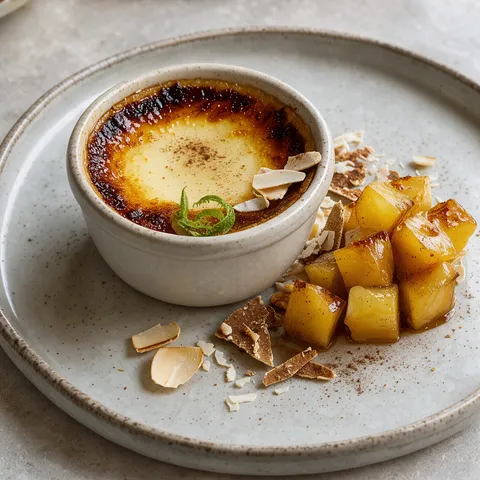
- Plate: Put each bowl in the centre of a serving plate. Spoon some clove pineapple with its syrup beside the bowl and scatter a pinch of coconut and peanut crunch over the pineapple. Dust a very fine pinch of ground cinnamon on one corner of the brûlée crust and grate lemon zest finely over the whole plate
- Serve: Serve at once. In damp air the brûlée crust softens within 15 min. When the spoon breaks the crust, cool, silky, coconut-scented custard should be underneath
Chef's note
In this dish the dense coconut and egg yolk pairing of the classic cocada amarela, cooked in syrup, becomes a strained, silky custard, and the grated coconut a crisp crunch. The yolks cook to 80°C. To make coconut milk from scratch, blend 150 g fresh grated coconut with 250 ml hot water and strain through muslin.
Frequently asked questions
- Why is the cocada cream cooked in a water bath?
- Classic cocada is cooked on the hob. In this recipe the cream is baked at 150°C in a tray filled with boiling water to half the height of the bowls. The edges should be set and the middle wobbly like jelly, with an internal temperature of 80°C.
- How is the brûlée crust made and how long does it last?
- Pat the surface of the cooled cream dry, cover it with a thin layer of sugar and melt it with a blowtorch until dark amber. In humid air the crust softens within 15 minutes, so serve it at once.
- Why aren't the yolks whisked until frothy?
- Overwhisked yolks turn frothy and the froth leaves holes on the surface of the cream. Whisk the yolks with the sugar only until the sugar dissolves and the colour lightens, and skim any foam off the surface with a spoon.
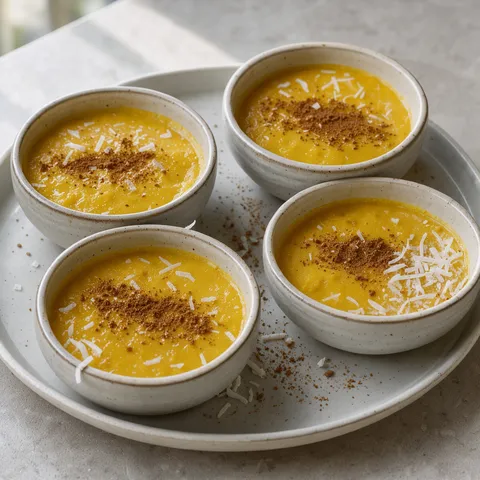 Angolan Coconut Egg Yolk Custard40 min · Dessert
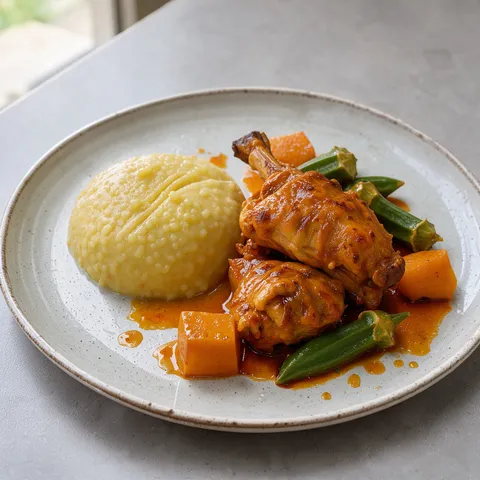 Angolan Palm Oil Chicken Stew1 hr 25 min · Main course
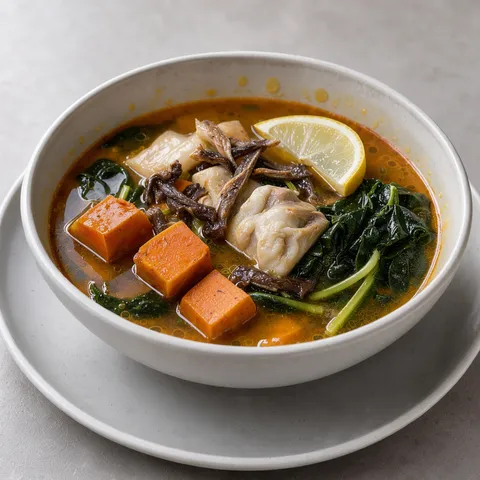 Angolan Red Oil Fish Soup1 hr 5 min · Soup
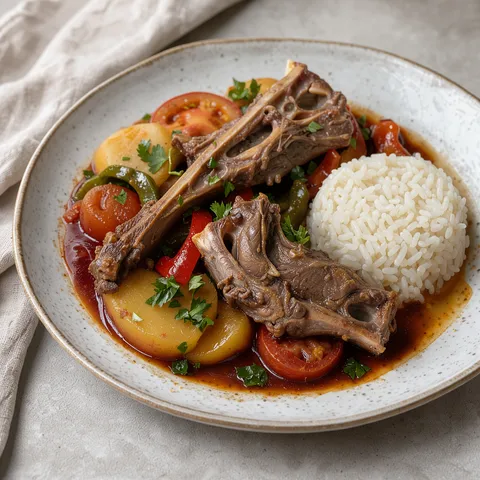 Angolan Goat Stew with Rice1 hr 55 min · Main course
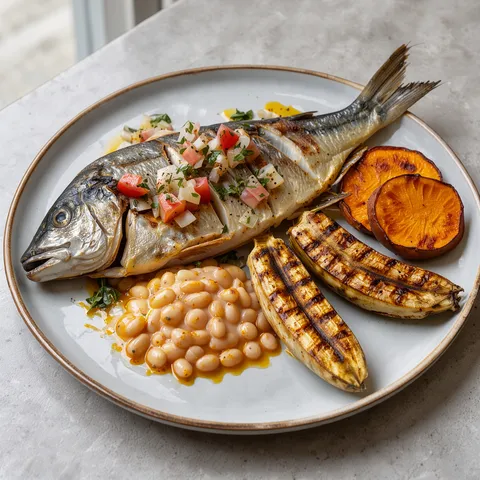 Luanda Chargrilled Sea Bream Platter1 hr 25 min · Main course
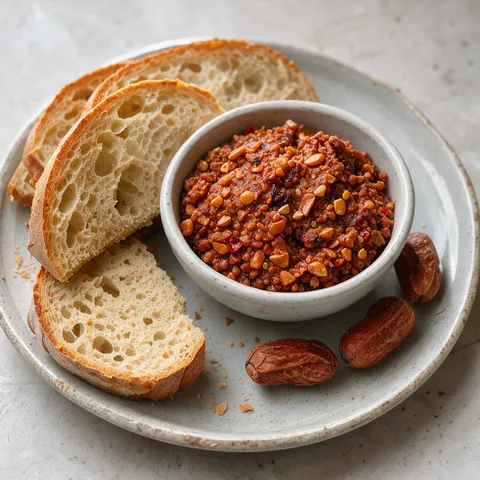 Angolan Chilli and Peanut Paste45 min · Meze
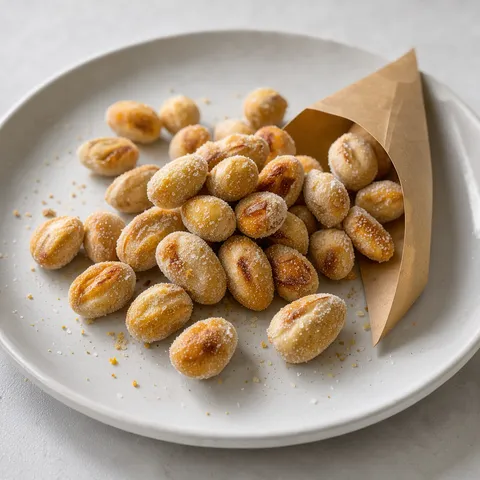 Angolan Cinnamon Sugar-Coated Peanuts25 min · Dessert