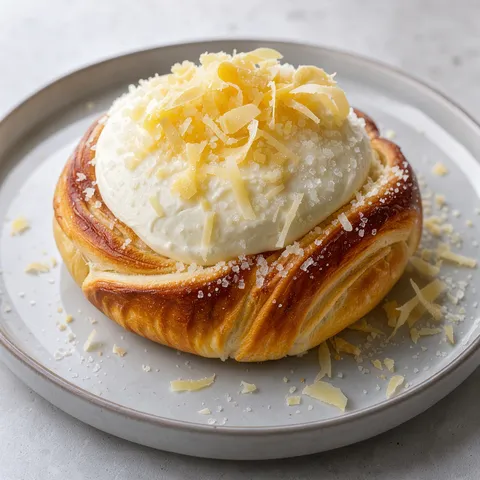
Filipino Butter and Cheese Buns Ensaymada
A Filipino bread & pastry. Takes 4 hr 10 min (including 2 hr 30 min rising), Makes 12. Difficulty: challenging.
At a glance
- Total time
- 4 hr 10 min (including 2 hr 30 min rising)
- Serves
- Makes 12
- Difficulty
- Challenging
- Cuisine
- Filipino cuisine
- Dish type
- Bread & pastry
- Allergens
- Gluten, Milk, Eggs
Ingredients
Dough (makes 12)
- 500 g strong white bread flour
- 7 g fast-action dried yeast
- 80 g sugar
- 1 tsp salt
- 200 ml lukewarm milk
- 6 egg yolks (at room temperature)
- 1 egg
- 100 g soft butter
For rolling
- 60 g very soft butter
- 80 g finely grated aged semi-hard cheese or Edam (queso de bola)
Topping
- 120 g soft butter
- 60 g icing sugar
- 2 tbsp caster sugar
- 80 g finely grated aged semi-hard cheese or Edam
Tins
- 12 metal tart tins of 10 cm (or a large muffin tin)
- butter for the tins
Equipment
- Stand mixer
- Mixing bowls
- Precision scales
- Rolling pin / oklava
- Tart tin
- Cling film
- Oven
- Baking tray
- Hand mixer
- Palette knife
- Box grater
Method
- Activate the yeast: Warm the milk to 35°C, add 1 tbsp sugar and the yeast and leave for 10 min, until the surface is frothy. Yeast that does not froth is dead, so use a new batch
- Knead the dough: Put the flour, the remaining sugar and the salt in the bowl of a stand mixer. Add the yeasted milk, egg yolks and egg and knead with the dough hook on low speed for 5 min, then on medium speed for 5 min. Add the butter in small pieces, waiting until each piece is absorbed before adding the next, and knead for another 8-10 min. The dough should be very soft and slightly sticky, but should come away from the sides of the bowl and form a membrane that lets light through when stretched thin. Do not add flour, as the cotton-soft texture of ensaymada comes from this moist dough
- First prove: Transfer the dough to an oiled bowl, cover and leave to rise in a warm place for 1 hr 30 min, until doubled in size
- Divide: Knock back the dough, divide it into 12 equal pieces (about 85 g) using scales, shape into smooth balls and rest, covered, for 10 min, so the gluten relaxes and does not spring back when rolled
- Roll out and fill: On a lightly oiled work surface, roll out a ball with a rolling pin into a thin 30×12 cm rectangle. Spread with 5 g soft butter and sprinkle with 1 dessertspoon of cheese. Starting from a long side, roll up tightly, then roll the log on the work surface into a rope about 50 cm long
- Coil: Loosely coil the rope around itself like a snail shell and tuck the end underneath. The loose coil leaves room for it to expand as it rises. Place in the buttered tins and arrange the tins on a tray
- Second prove: Cover loosely with cling film and leave to rise for 1 hr, until noticeably puffed and the dough springs back slowly when pressed with a finger. Preheat the oven to 175°C
- Bake: Bake the buns for 15-18 min, until pale golden on top. Overbaked ensaymada dries out, so take them out before they colour deeply. Let cool slightly in the tins for 10 min, then transfer to a wire rack
- Whip the butter cream: Beat the soft butter with the icing sugar using an electric hand mixer for 3 min, until white and fluffy
- Finish: While the buns are warm but not hot, put 1 tbsp of the cream on each and spread it neatly into a dome with a palette knife. The cream melts slightly into the warm dough and soaks into the surface. Sprinkle with caster sugar and pile the grated cheese generously on top
- Plate: Place an ensaymada on a dessert plate, letting some of the cheese fall onto the plate. Serve traditionally with hot chocolate (tsokolate) or black coffee. Best eaten on the day it is made, it keeps for 2 days in an airtight container
Chef's note
Ensaymada was born in the Spanish colonial era from the ensaïmada of Mallorca. The original bun in Mallorca is made with lard (saïm), while the Filipino version uses butter, and so does this recipe. At Christmas, Edam (queso de bola) is grated over the top, and the salty cheese against the sweet butter cream is the sweet-salty balance the Filipino palate loves. Aged semi-hard cheese is a good substitute.
Frequently asked questions
- How long does ensaymada keep?
- It is best eaten the same day and keeps for 2 days in an airtight container. Overbaked ensaymada dries out.
- Why is the ensaymada dough so soft and sticky?
- The dough is wet, so it is very soft and slightly sticky, and that is where the cotton-wool texture of ensaymada comes from. Don't add flour. When stretched thin, the dough should form a membrane you can see light through.
- When is the butter topping spread on?
- Spread it when the buns are warm, not hot. The topping melts slightly into the warm dough and sinks into the surface.
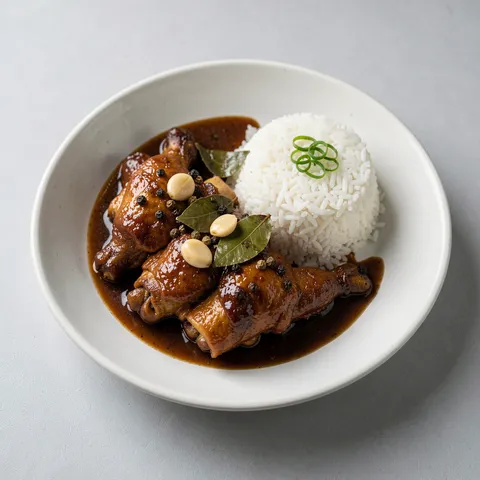 Filipino Chicken in Vinegar and Soy Sauce55 min · Main course
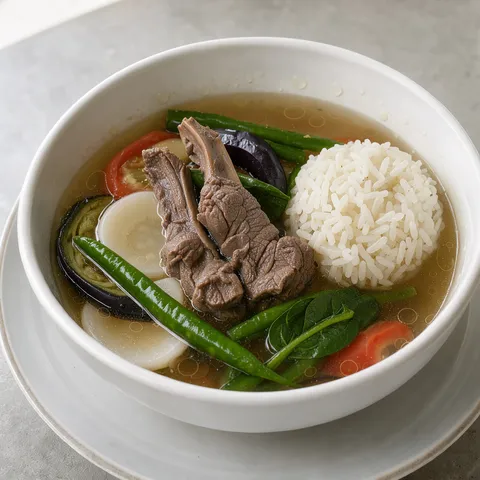 Sour Tamarind Beef Soup1 hr 20 min · Soup
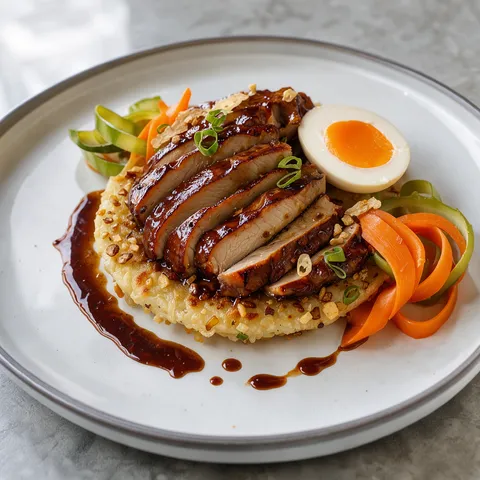 Chicken Adobo 2.01 hr 20 min · Main course
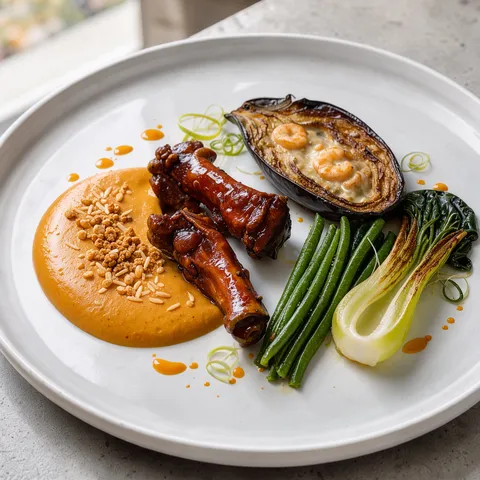 Kare-Kare 2.01 hr 30 min · Main course
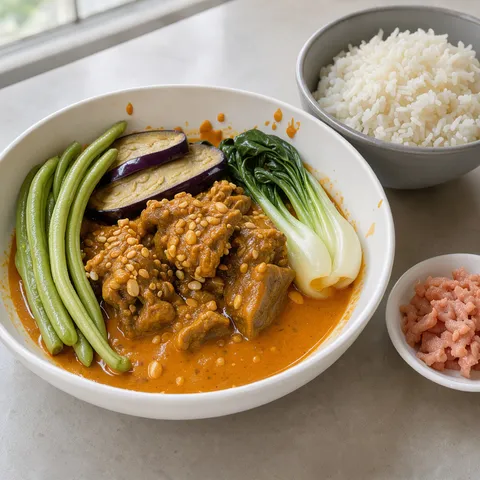 Filipino Oxtail Stew in Peanut Sauce3 hr 15 min · Main course
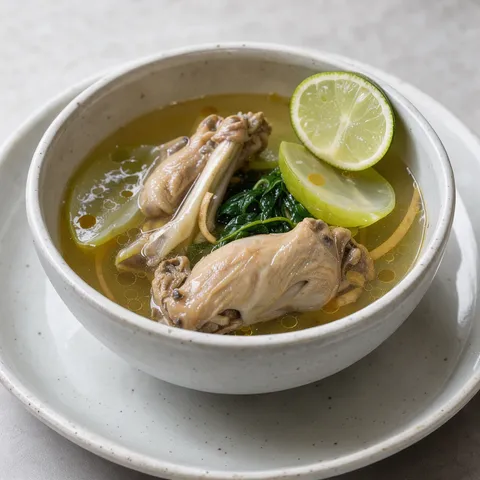 Filipino Ginger Chicken Soup1 hr 5 min · Soup