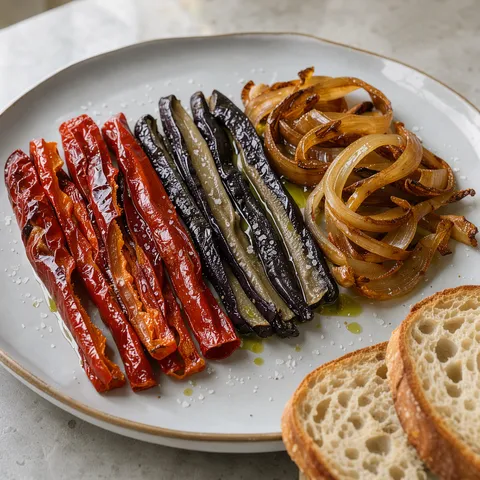
Catalan Charred Aubergine, Peppers and Onion Escalivada
A Spanish meze. Takes 1 hr 50 min, Serves 4. Difficulty: medium.
At a glance
- Total time
- 1 hr 50 min
- Serves
- Serves 4
- Difficulty
- Medium
- Cuisine
- Spanish cuisine
- Dish type
- Meze
- Diet
- Vegetarian, Vegan, Gluten-free
- Allergens
- Celery
Ingredients
Vegetables
- 2 medium aubergines (about 600 g)
- 3 romano peppers (about 450 g)
- 2 medium onions (about 300 g, unpeeled)
- 2 tbsp extra virgin olive oil (for rubbing the vegetables)
Dressing
- 4 tbsp extra virgin olive oil
- 1 garlic clove (very finely chopped)
- 1 tsp flaky sea salt
To serve
- 4 slices country bread (each about 1.5 cm thick)
Equipment
- Oven
- Baking tray
- Mixing bowls
- Cling film
- Fine sieve / chinois
- Bread knife
- Chef's knife
- Chopping board
Method
- Preheat the oven: Preheat the oven to 220°C (conventional) for 15 min. Charring needs high heat so the skin blackens and the inside steams
- Prepare the vegetables: Wash the aubergines and prick each one with a fork in 5-6 places, otherwise steam can build up inside in the oven and make them burst. Leave the peppers whole. Leave the onions in their skins, which protect the thin fleshy layers. Rub all the vegetables with the 2 tbsp olive oil using your hands and arrange them on a tray, spaced apart
- Char: Put the tray on the middle shelf of the oven. Cook the peppers for 35-40 min, until the skins are blackened and blistered in places, the aubergines for 45-50 min, until completely collapsed and a knife slides in easily, and the onions for 60 min, until soft in the centre. Turn them all once at 20 min. Take each vegetable out of the oven as it is done
- Steam and rest: As soon as the peppers and aubergines come out of the oven, put them in a bowl, cover tightly with cling film and leave for 15 min. Their own steam loosens the skin from the flesh, making them easier to peel
- Peel and separate: Peel the peppers by hand, remove the stalks and seeds and tear the flesh into 1.5 cm strips. Peel the aubergines and pull the flesh into long strips by hand. Discard the dry outer layers of the onions and separate the inner layers into strips. Tearing by hand rather than cutting keeps the fibres intact and gives a more natural texture. Don't rinse the vegetables or the charred flavour is lost
- Collect the juices: Strain the juices that have collected at the bottom of the bowl through a fine sieve into a small bowl, leaving behind any bits of skin and seeds. These juices give the escalivada dressing depth
- Dress and rest: Mix the 4 tbsp olive oil, the garlic, half the flaky salt and the strained vegetable juices. Arrange the vegetables side by side by colour on a serving plate and drizzle the dressing over them. Rest at room temperature for 15 min while the vegetables soak up the dressing. Meanwhile, slice the bread with a bread knife and toast under the grill for 2-3 min, until the edges are browned
- Serve: Sprinkle over the remaining flaky salt and serve the escalivada warm or at room temperature with the toasted bread
Chef's note
The name escalivada comes from a Catalan verb meaning to cook in embers, and it is a familiar dish at summer tables in Catalonia. It is traditionally made over a fire or embers: if you char the vegetables on the barbecue, the times are halved and the smoky flavour is stronger. It is important not to rinse charred peppers with water after peeling. It tastes even better the next day and keeps for 3 days in the fridge: bring it back to room temperature before serving. In Catalonia it is also served on toasted bread, sometimes with salted anchovies.
Frequently asked questions
- Why are the charred peppers and aubergines left in a covered container?
- Their own steam loosens the skin from the flesh and makes peeling easier.
- Why is the aubergine pricked with a fork?
- If it is not pricked, steam can build up inside in the oven and make it burst.
- Why are the charred vegetables not rinsed?
- Rinsing washes away the charred flavour. The vegetables are also torn into strips by hand rather than cut with a knife, which preserves the structure of the fibres.
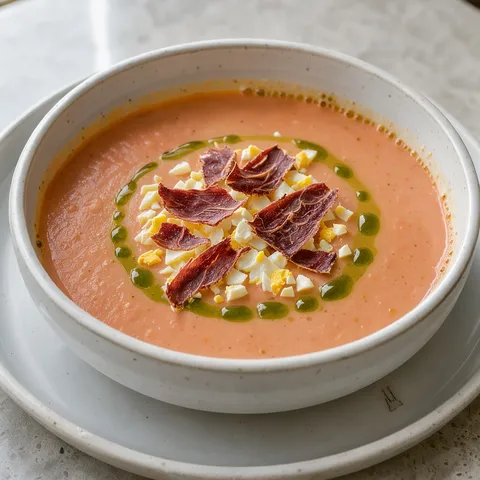 Cold Córdoba Tomato and Bread Soup25 min · Soup
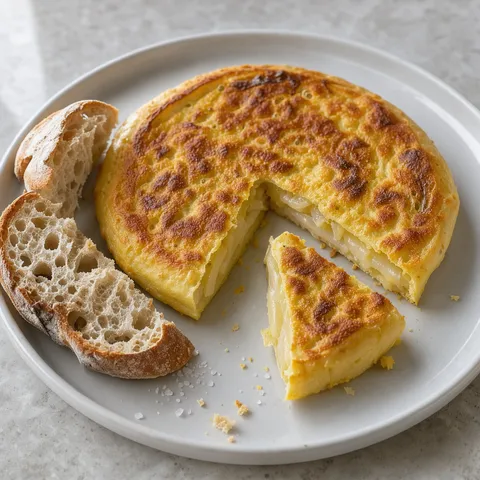 Spanish Potato Omelette1 hr 5 min · Main course
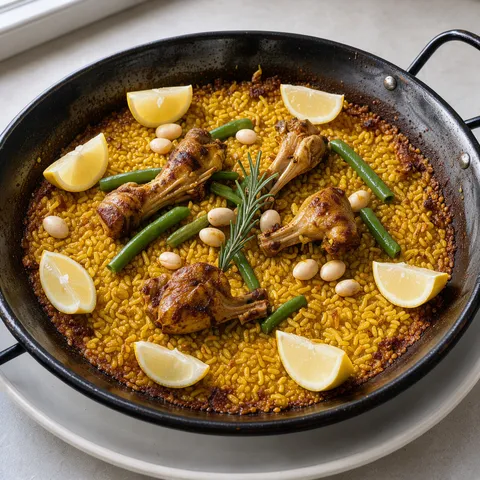 Paella Valenciana1 hr 20 min · Main course
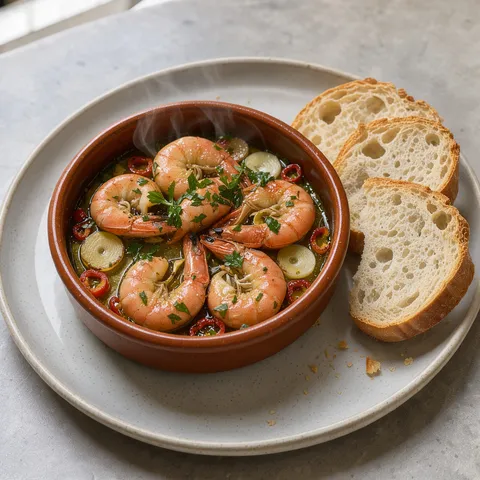 Sizzling Garlic Prawns20 min · Starter
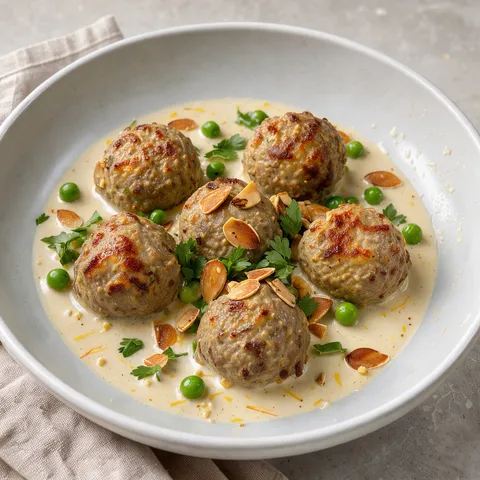 Meatballs in Almond Sauce1 hr 10 min · Main course
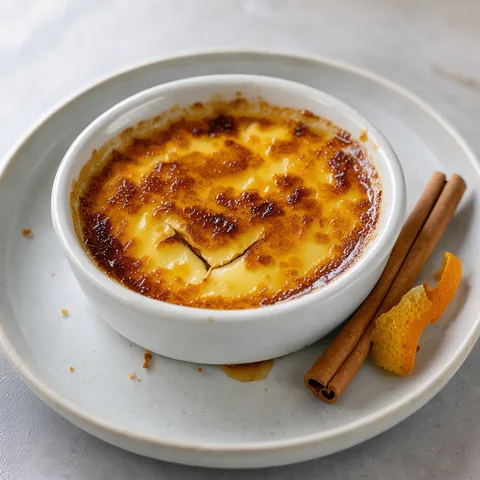 Catalan Burnt Cream35 min · Dessert