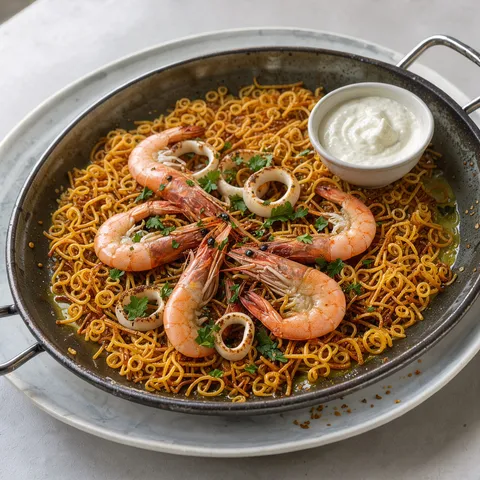
Valencian Toasted Seafood Noodles with Alioli Fideuà
A Spanish main course. Takes 1 hr 20 min, Serves 4. Difficulty: medium.
At a glance
- Total time
- 1 hr 20 min
- Serves
- Serves 4
- Difficulty
- Medium
- Cuisine
- Spanish cuisine
- Dish type
- Main course
- Allergens
- Gluten, Milk, Eggs, Fish, Crustaceans, Molluscs, Celery, Sulphites
Ingredients
Seafood
- 12 medium shell-on prawns (about 360 g)
- 300 g cleaned squid (in 1 cm rings and cubes)
Fish stock
- heads and shells of the 12 prawns (from above)
- 400 g white fish heads and bones (sea bass or sea bream, from the fishmonger)
- 1 onion (quartered)
- 1 bay leaf
- 1.2 litres water
Pasta
- 300 g thin spaghetti (spaghettini, broken into 2-3 cm lengths)
Sofrito
- 5 tbsp extra virgin olive oil (1 tbsp for the stock, 2 tbsp for the pasta, 2 tbsp for the sofrito)
- 3 garlic cloves (finely chopped)
- 2 ripe tomatoes (about 200 g, grated)
- 1 tsp sweet paprika
- a pinch of saffron (10-12 threads)
- 1 tsp salt
Alioli
- 3 garlic cloves
- a pinch of salt
- 1 egg yolk (fresh, pasteurised if possible)
- 100 ml sunflower oil
- 50 ml extra virgin olive oil
- 1 tsp lemon juice
To serve
- 1 lemon (cut into wedges)
Equipment
- Saucepan
- Fine sieve / chinois
- Pestle and mortar
- Sauté pan
- Oven
- Mixing bowls
- Chef's knife
- Chopping board
- Box grater
Method
- Peel the prawns: Pull off the heads and peel the prawns, leaving the tail tips on if you like. Pull out the thin dark vein along the back with the tip of a knife. Put the prawns in the fridge and set the heads and shells aside for the stock. Cut the squid into 1 cm rings and cubes
- Make the stock: Heat 1 tbsp olive oil in a large pan and fry the prawn heads and shells over high heat for 3 min, until they colour and turn orange, pressing the heads with a spoon to release their juices. Add the fish bones, onion, bay leaf and 1.2 litres water. When it boils, skim and simmer over low heat for exactly 20 min: fish stock cooked for longer turns bitter. Strain through a fine sieve: you'll have about 1 litre. Keep 800 ml of it hot
- Pound the alioli: While the stock cooks, crush the garlic with the salt in a mortar to a smooth paste. Add the egg yolk, then add the two oils drop by drop at first and then in a thin stream, stirring with the pestle in one direction, over 6-8 min. Stir in the lemon juice. It should be a glossy sauce that holds on a spoon. Put it in the fridge
- Toast the pasta: Heat 2 tbsp olive oil in a 32 cm wide ovenproof sauté pan over medium heat. Toast the broken pasta for 4-5 min, stirring constantly, until evenly golden. Toasted pasta doesn't turn mushy as it cooks and takes on a nutty flavour. Tip into a bowl
- Sear the seafood: Heat the remaining 2 tbsp olive oil in the same pan over high heat. Sear the prawns for 1 min on each side and transfer to a plate: they should still be raw inside. Fry the squid for 2 min and leave it in the pan
- Cook the sofrito: Lower the heat to medium-low, add the garlic and stir for 30 sec. Add the grated tomato and cook for 6-8 min, until the liquid has evaporated, it has become a thick paste and the oil separates at the edges. Add the paprika and crumble in the saffron with your fingers, then stir for 30 sec
- Cook: Add the toasted pasta to the pan and stir it into the sofrito for 1 min. Add the 800 ml hot stock and the salt and spread the pasta evenly across the pan. Cook over high heat for 3 min, then over medium heat for 6-7 min, without stirring at all. In the last 3 min, push the prawns halfway down into the pasta. Meanwhile, preheat the oven grill to 230°C. The liquid should be completely absorbed and the pasta al dente
- Crisp under the grill: Put the pan on the top shelf of the oven and grill for 3-4 min, until the ends of the pasta stand up and crisp. This is the signature of fideuà: the ends curl up and brown in places
- Rest and serve: Take the pan out of the oven, cover with a clean tea towel and rest for 3 min. Serve in the pan with the lemon wedges and alioli, letting everyone add alioli to their own plate
Chef's note
Fideuà is associated with Gandia on the Valencian coast and is the relative of paella made with thin pasta instead of rice. In Spain it is made with short, hollow "fideo" noodles: here the same result comes from breaking up thin spaghetti, which is available everywhere. The size of the pan matters: in a pan smaller than 32 cm the pasta forms a thick layer and doesn't crisp, so in that case cook half the quantity in each of two pans. The stock is the most important ingredient: ask the fishmonger for heads and bones. The alioli contains raw egg yolk (the same principle as the Aioli in the Basics section): raw-egg sauces should not be served to pregnant women, young children, the elderly or anyone with weakened immunity, so give them garlic yoghurt or olive oil with lemon instead of alioli.
Frequently asked questions
- Why is the pasta toasted first?
- Toasted pasta does not turn mushy as it cooks and takes on a nutty flavour.
- How do the fideuà ends get crisp?
- Put the cooked pan under the grill in the oven for 3-4 minutes. The pasta ends lift up and crisp, curling and browning in places.
- Why is the fish stock not cooked for long?
- Fish stock that cooks longer turns bitter. So after skimming, simmer it over a low heat for exactly 20 minutes.
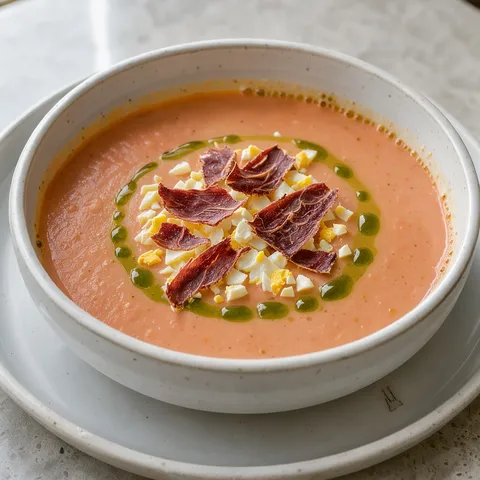 Cold Córdoba Tomato and Bread Soup25 min · Soup
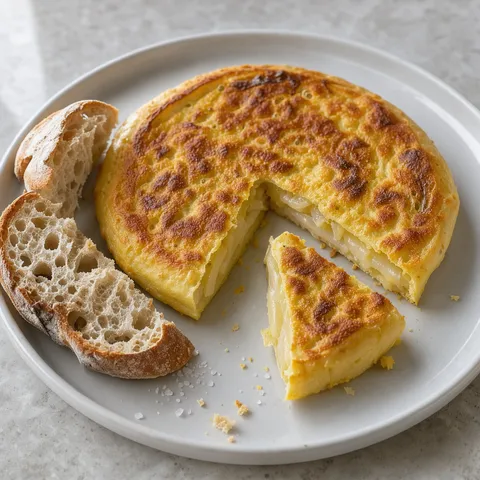 Spanish Potato Omelette1 hr 5 min · Main course
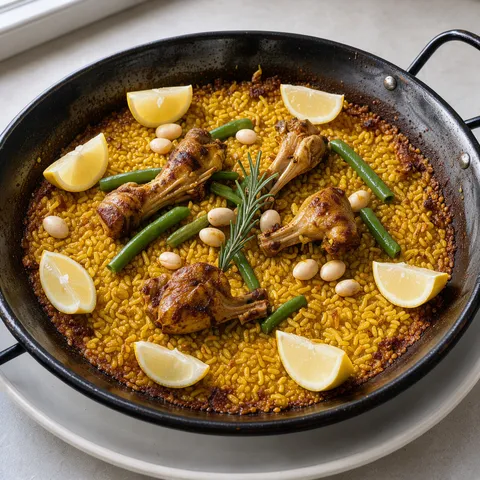 Paella Valenciana1 hr 20 min · Main course
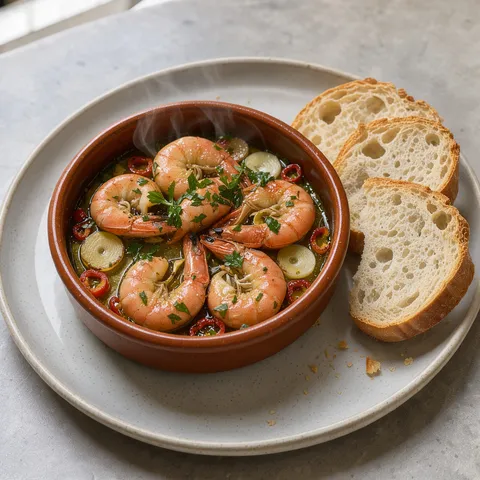 Sizzling Garlic Prawns20 min · Starter
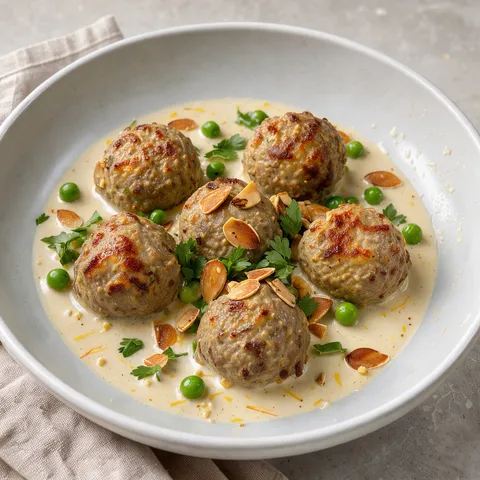 Meatballs in Almond Sauce1 hr 10 min · Main course
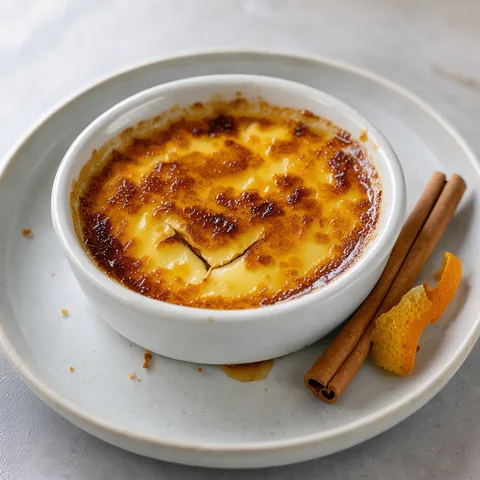 Catalan Burnt Cream35 min · Dessert