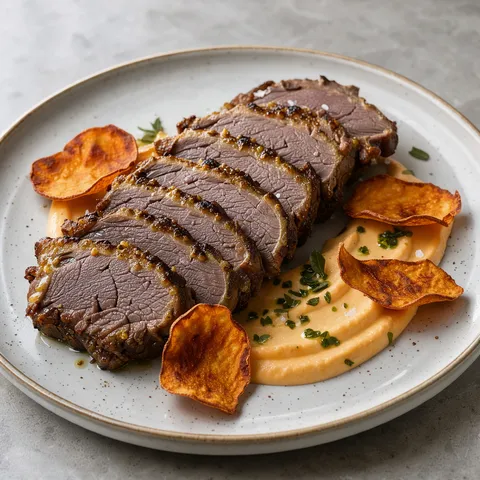
Mustard and Mānuka Honey Crusted Lamb Loin, Kumara Cream, Watercress Oil, Crisp Kumara
A New Zealand main course. Takes 1 hr 6 min, Serves 4. Difficulty: challenging.
At a glance
- Total time
- 1 hr 6 min
- Serves
- Serves 4
- Difficulty
- Challenging
- Cuisine
- New Zealand cuisine
- Dish type
- Main course
- Allergens
- Gluten, Milk, Celery, Mustard, Sulphites
Ingredients
Lamb
- 700 g boneless lamb loin (2 pieces, fat thinly trimmed)
- 1.5 tsp salt
- 1/2 tsp black pepper
- 1 tbsp vegetable oil
Crust
- 2 tbsp Homemade Dijon-Style Mustard (Basics)
- 1 tbsp Mānuka honey (or flower honey)
- 1 tsp fresh thyme leaves
- 40 g breadcrumbs (Basics)
- 1 tbsp melted butter
Kumara cream
- 500 g kumara (orange-fleshed sweet potato)
- 150 ml milk
- 100 ml water
- 30 g butter
- 1 cm ginger (grated)
- salt
Watercress oil
- 60 g watercress (leaves and thin stalks)
- 80 ml light olive oil
- a pinch of salt
Crisp kumara
- 1 small kumara (150 g)
- 500 ml frying oil
- salt
Jus
- 150 ml Lamb Jus (Basics)
- 1 tsp Mānuka honey
- 1 tsp cider vinegar
- 10 g cold butter
Equipment
- Oven
- Cast-iron frying pan
- Saucepan
- Blender
- Fine sieve / chinois
- Mandoline
- Probe thermometer
- Baking tray
- Mixing bowls
- Colander
- Chef's knife
- Chopping board
- Box grater
- Muslin (optional)
Method
- Prepare the oven and crust mixture: Heat the oven to 200°C. For the crust, mix the mustard, Mānuka honey, thyme and melted butter in a small bowl and combine with the breadcrumbs: it should be a sticky, sandy paste. Pat the lamb dry and season every side with salt and black pepper. The oven heats while the lamb comes to room temperature. Taking the meat out of the cold and leaving it for 15-20 min is essential for even cooking
- Boil the kumara: Peel the kumara and cut into 2 cm cubes. Bring the milk, water and a pinch of salt to the boil in a pan, add the kumara and cook covered over low heat for 12-14 min, until a knife tip goes in easily. Adjust the heat so the milk does not boil over. The kumara must be completely soft for a smooth cream, and if it stays firm it leaves fibrous lumps
- Blend the kumara cream: Blend the cooked kumara with half of the cooking liquid, the butter and the grated ginger in a blender for 2 min, until completely smooth. The consistency should flow slowly from a spoon, like plain cream. If it is thick, add more of the cooking liquid. Pass through a fine sieve, adjust the salt and keep warm with cling film touching the surface
- Make the watercress oil: Blanch the watercress in boiling water for 10 sec, plunge it at once into iced water and squeeze out the water, so the colour stays bright green. Blend with the olive oil and salt in a blender for 1 min. Strain through a fine sieve, if possible lined with muslin, into a bowl. The oil should be vivid green and clear, with a slightly peppery smell
- Make the crisp kumara: Peel the small kumara and slice it into rounds 1.5 mm thick on a mandoline. Pat the slices dry with kitchen paper, because wet slices foam in the oil. Heat the oil in a pan to 160°C (check with a thermometer) and fry the slices in 3-4 batches for 1.5-2 min, until the edges curl and turn golden. Lift out with a slotted spoon, salt at once and rest on kitchen paper. They crisp up as they cool
- Sear the lamb: Heat a cast-iron pan over high heat for 3 min and add 1 tbsp oil. Put the lamb loins in the pan and sear for 2 min on each side, about 6-8 min in total, until the whole surface is deep golden. Lean the fatty edge against the pan for 1 min to render the fat. Take the pan off the heat and move the meat to a tray. Do not wipe the pan, because the stuck-on flavour is left for the jus
- Crust and roast: Spread the mustard and honey paste 3-4 mm thick over the top and sides of the lamb loins so that it sticks. Put the tray in the middle of the 200°C oven and cook for 8 min, until the internal temperature on a thermometer is 52-54°C (rare to medium-rare). The crust should be golden. Take it out of the oven and put the tray on the worktop
- Rest and finish the jus: Rest the lamb undisturbed for 8 min, during which the internal temperature rises by another 3-4°C and the juices stay in the meat. Meanwhile pour the jus into the cast-iron pan the lamb was seared in, scrape up the residue on the bottom, add the Mānuka honey and the vinegar and boil for 4 min, until reduced by half and coating the back of a spoon. Take off the heat and shine it by whisking in the cold butter
- Plate: Spoon the kumara cream into the middle of each warmed plate. Cut the lamb into 1.5 cm slices with a sharp chef's knife and lean them on the cream with the cut sides facing up. Drizzle the jus around, and drip the watercress oil drop by drop over the cream and plate. Stand the crisp kumara slices upright on the plate and serve at once
Chef's note
Two icons of New Zealand, lamb and kumara (sweet potato), meet on one plate. Mānuka honey is a honey unique to New Zealand with a mildly medicinal, earthy flavour: if you cannot find it, use flower honey and an extra 1/2 tsp of thyme. The mustard and honey crust balances the sweet richness of the lamb, and the watercress oil adds a peppery freshness. Put the kumara cream on the plate just before serving, because if it stands a skin forms on the surface.
Frequently asked questions
- What should the internal temperature of the lamb loin be?
- Cook in the oven until a thermometer reads 52-54°C. During resting the core temperature rises by another 3-4°C.
- What can I use if I can't find Mānuka honey?
- The recipe says that flower honey can be used if you don't have it.
- Why are the crisp kumara slices dried?
- Wet slices foam in the oil. Dry the slices with kitchen paper and fry in batches in 160°C oil.
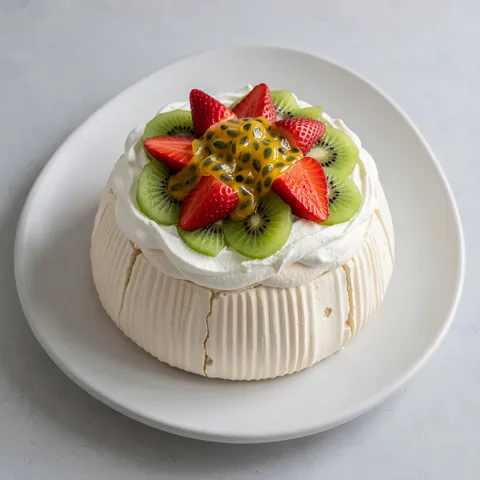 Pavlova1 hr 55 min · Dessert
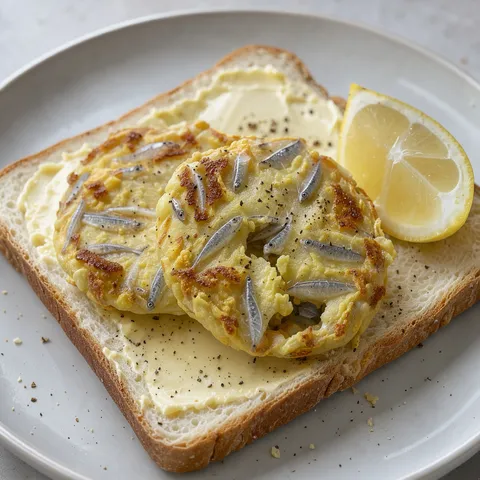 Whitebait Fritters40 min · Starter
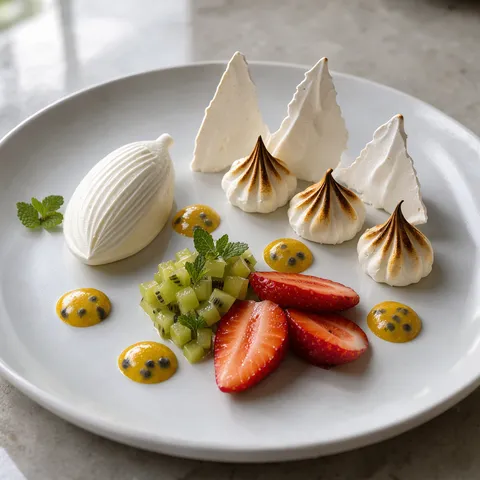 Pavlova 2.01 hr 25 min · Dessert
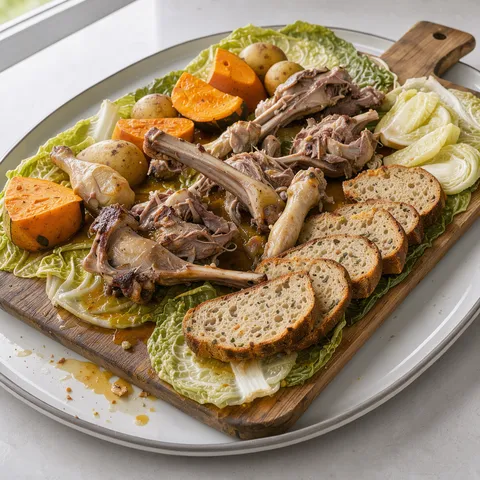 Hāngī3 hr 45 min · Main course
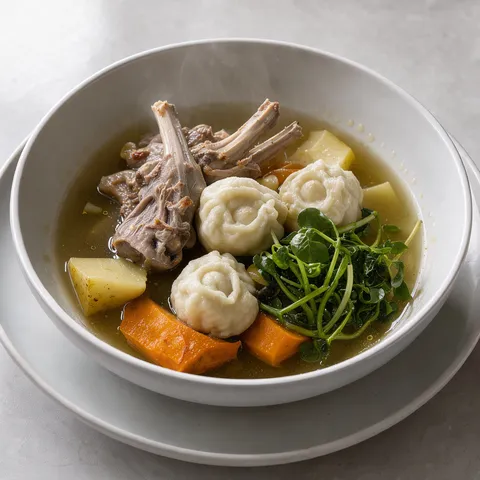 Lamb and Watercress Dumpling Soup1 hr 55 min · Soup
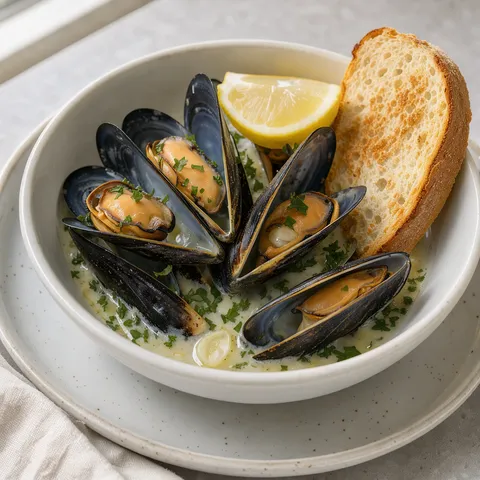 White Wine Cream Mussels40 min · Starter