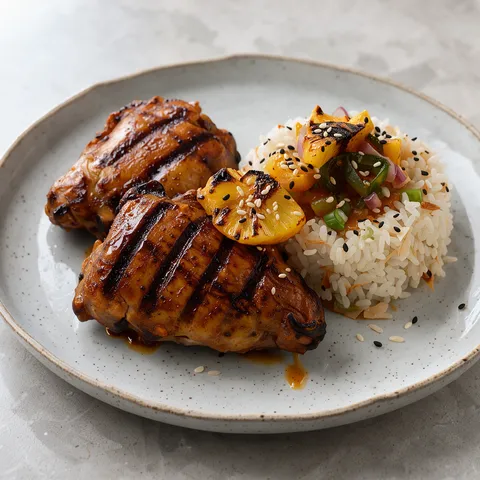
Huli Huli Chicken Thighs, Charred Pineapple and Jalapeño Salsa, Coconut Rice
A Local Hawaiian main course. Takes 54 min · the salsa is made while the rice cooks, Serves 4. Difficulty: medium.
At a glance
- Total time
- 54 min · the salsa is made while the rice cooks
- Serves
- Serves 4
- Difficulty
- Medium
- Cuisine
- Local Hawaiian cuisine
- Dish type
- Main course
- Allergens
- Gluten, Milk, Tree nuts, Sesame, Soya
Ingredients
Chicken
- 8 skin-on boneless chicken thighs (about 1 kg in total)
- 1/2 tsp salt
Huli huli sauce
- 150 ml unsweetened pineapple juice
- 60 ml soy sauce
- 2 tbsp light brown sugar
- 3 tbsp Homemade Ketchup (Basics)
- 3 garlic cloves (crushed)
- 2 cm ginger (grated)
- 1 tsp sesame oil
- 1 tbsp rice vinegar
Coconut rice
- 300 g jasmine rice
- 400 ml coconut milk
- 200 ml water
- 1/2 tsp salt
Charred pineapple salsa
- 4 slices fresh pineapple (1 cm thick, about 300 g)
- 1 jalapeño or long green chilli
- 1/2 small red onion
- 1/2 bunch coriander
- juice of 1 lime
- salt
- 1 tsp olive oil
To finish
- 1 tbsp toasted sesame seeds
- 2 spring onions
Equipment
- Griddle pan
- Saucepan
- Mixing bowls
- Colander
- Box grater
- Pastry brush
- Probe thermometer
- Chef's knife
- Chopping board
Method
- Boil the huli huli sauce: Stir the pineapple juice, soy sauce, light brown sugar, ketchup, crushed garlic, finely grated ginger and sesame oil together in a small pan over medium heat. Boil for 6-7 min, until reduced by half and a glossy, syrupy consistency that coats the back of a spoon. Add the rice vinegar at the end. It is important to use tinned or bottled pineapple juice rather than fresh, because the enzyme in fresh pineapple breaks down chicken fibres and turns the meat mushy
- Marinate the chicken: Pat the chicken thighs dry with kitchen paper and season with salt. Pour a third of the sauce (about 50 ml) over the chicken in a bowl to coat every side, and keep the rest warm in a separate dish for finishing. The marinating time runs for about 20 min through the following steps, and do not leave it longer, because the soy and pineapple acid soften the meat and spoil its texture
- Start the rice: Rinse the jasmine rice in a colander until the water runs clear. Bring the coconut milk, water and salt to the boil in a pan, add the rice and stir once. When it boils, turn the heat to the lowest and cover. Coconut milk can curdle as it boils, so the low heat is essential
- Cook the rice and steam off the heat: Cook the rice on low heat for 12 min without lifting the lid, then turn off the heat and leave to steam for 3 min. Open up the grains with a fork. The rice should be soft, slightly sticky and fragrant. Do the following two salsa steps while the rice cooks, because they finish within this time too
- Char the pineapple on the griddle (while the rice cooks): Heat the griddle pan over high heat. Lightly brush the pineapple slices with olive oil and char them for 2-3 min on each side, until clear griddle marks appear. The sugar in the pineapple caramelises as it chars and gives the sourness a sweet depth. Move to a board and rest to cool. As this step is done while the rice cooks, it adds no extra time
- Build the salsa (while the rice cooks): Cut the charred pineapple into 7 mm dice with a chef's knife on a chopping board. Cut the jalapeño very finely with its seeds, the red onion into small dice and chop the coriander. Gently mix everything with the lime juice, salt and olive oil in a bowl. The salsa should balance sweet, sour and hot, and if needed add lime or salt. As this step is done while the rice cooks, it adds no extra time
- Cook the chicken on the griddle: Heat the griddle pan over medium-high heat. Lay the chicken skin side down and cook for 7 min, until the skin turns golden. Turn and cook the other side for 5 min. Brush on the reserved sauce for the last 2 min, because if the sauce goes on early its sugar burns. It is cooked when the thermometer reads 75°C at the thickest point. If it leaves a raw mark, cook for 1-2 min more
- Rest and glaze: Rest the chicken for 4 min so the juices redistribute. Meanwhile warm the remaining huli huli sauce for 1 min and brush another thin coat over the chicken. To get a glossy, sticky look, the final coat of sauce goes on at the plate before serving. Before cutting, the chicken is still hot, and the juices at the cut should run clear
- Plate: Put a spoonful of coconut rice on each warmed plate and lean two chicken thighs against it. Spoon the charred pineapple salsa over and around the chicken. Spoon the remaining sauce along the edge of the plate. Scatter over the sesame seeds and thinly sliced spring onion rings and serve at once
Chef's note
Huli huli chicken is Hawaiian chicken made famous in Honolulu around 1955 by Ernest Morgado, turned continuously on the grill (huli: to turn). Here the classic turn-and-turn technique is done in a griddle pan and the sauce is used as a glossy glaze, while the charred pineapple salsa and coconut rice give the plate its own Hawaiian identity. If you cannot find jalapeño, a long green chilli is enough. Homemade Ketchup (Basics) is used, not ready-made sauce.
Frequently asked questions
- Why isn't fresh pineapple juice used in the huli huli sauce?
- The enzyme in fresh pineapple breaks down the chicken fibres and turns the meat mushy. So tinned or bottled pineapple juice is used.
- How long should the chicken marinate?
- The marinating time is about 20 minutes. If left longer, the acid in the soy and pineapple softens the meat and spoils the texture.
- Why is the sauce brushed on in the last minutes on the grill?
- If the sauce goes on early, its sugar burns. So brush the sauce on during the last 2 minutes while the chicken cooks.
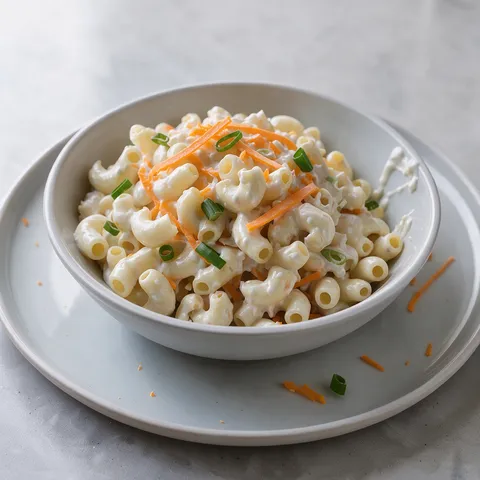 Hawaiian Macaroni Salad35 min · Salad
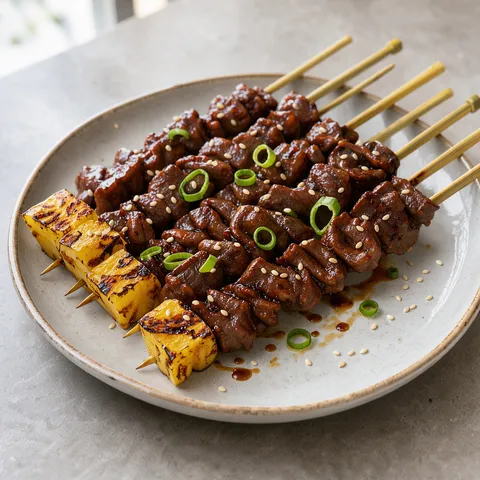 Hawaiian Teriyaki Beef Skewers1 hr 50 min · Meze
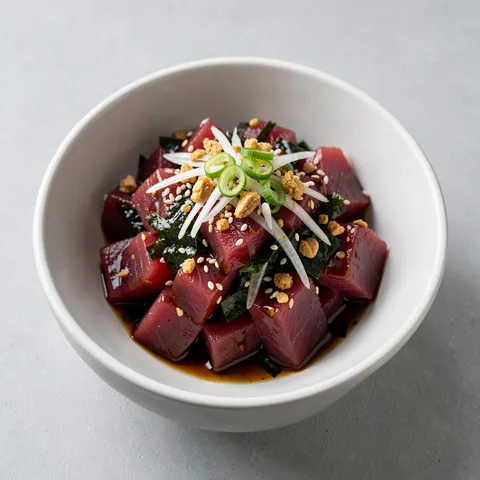 Hawaiian Shoyu Tuna with Inamona55 min · Meze
 Chicken Long Rice1 hr 30 min · Main course
 Hawaiian Coconut Pudding1 hr 10 min · Dessert
 Loco Moco55 min · Main course