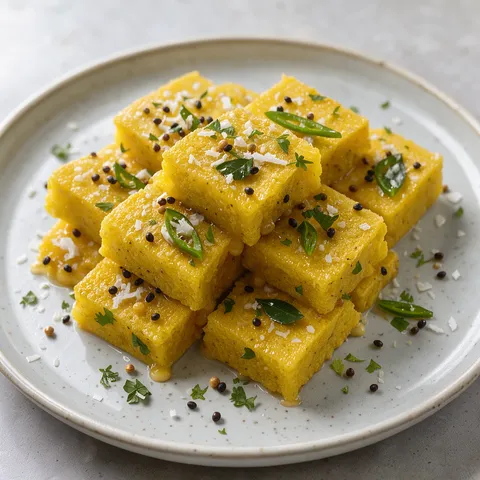
Gujarati Steamed Gram Flour Cake Khaman Dhokla
An Indian starter. Takes 50 min, 20x20 cm tin, 16 pieces (4 servings). Difficulty: medium.
At a glance
- Total time
- 50 min
- Serves
- 20x20 cm tin, 16 pieces (4 servings)
- Difficulty
- Medium
- Cuisine
- Indian cuisine
- Dish type
- Starter
- Allergens
- Gluten, Milk, Eggs, Tree nuts, Sesame, Mustard, Sulphites
Ingredients
- Batter (20×20 cm tin, 16 pieces, serves 4): 200 g gram flour (besan, sifted)
- 1 tbsp fine semolina
- 1 tbsp sugar
- 1 tsp salt
- 1/4 tsp ground turmeric
- 2 cm fresh ginger and 2 green chillies (pounded together)
- 2 tbsp lemon juice
- 1 tbsp sunflower oil
- 230 ml lukewarm water
- 1 tsp bicarbonate of soda
- oil for the tin
Tadka
- 2 tbsp sunflower oil
- 1 tsp mustard seeds
- 1 tsp sesame seeds
- a pinch of asafoetida
- 10 curry leaves
- 3 green chillies (slit lengthways)
- 120 ml water
- 1.5 tbsp sugar
- 1 tbsp lemon juice
To serve
- 2 tbsp grated coconut (fresh or desiccated, unsweetened)
- 1/2 bunch coriander (chopped)
Equipment
- Steamer basket
- Saucepan
- Cake tin
- Mixing bowls
- Balloon whisk
- Pestle and mortar
- Chef's knife
- Frying pan
Method
- Prepare the steamer: Put 5 cm water in a large saucepan, set a steamer stand or an upturned bowl inside and bring to the boil. Grease the 20×20 cm tin. The batter must go into the steam as soon as it meets the bicarbonate: if the steam is not ready, the bubbles collapse and the dhokla stays dense
- Mix the batter: Put the gram flour, semolina, sugar, salt and turmeric in a bowl. Add the ginger-chilli paste, lemon juice and oil. Add the water a little at a time, whisking, to a lump-free batter slightly thicker than crêpe batter. Rest for 10 min: the gram flour absorbs the water and the semolina softens
- Add the bicarbonate: Mash the bicarbonate with 1 tsp water, add it to the batter and whisk quickly in one direction for 10-15 sec. The batter turns pale yellow, froths and increases in volume. Overwhisking knocks the bubbles out. Pour the batter into the tin at once and tap the tin lightly on the worktop once to level the surface
- Steam: Set the tin in the steamer and stretch a clean tea towel under the lid so that water dripping from the lid does not pit the surface. Steam over medium-high heat for 15-18 min, without opening the lid for the first 10 min. It is done when a skewer inserted in the centre comes out clean and the surface looks spongy and slightly glossy
- Let cool slightly and cut: Remove the tin and let cool slightly for 5 min. Run a knife around the edges and cut the dhokla into 16 squares in the tin
- Make the tadka: Heat the oil in a small frying pan over medium heat and add the mustard seeds. When they start to pop, add the sesame seeds, asafoetida, curry leaves and green chillies and let them sizzle for 20 sec. Carefully pour in the water and sugar (the oil spits), bring to the boil and cook for 1 min until the sugar dissolves, then take off the heat and stir in the lemon juice
- Soak in the tadka: Spoon the hot tadka evenly over the whole surface. The dhokla absorbs the liquid and becomes moist, spongy and slightly sweet-sour. Leave for 5 min
- Plate: Lift the squares out of the tin and arrange them on a plate in fours, slightly overlapping. Scatter over the mustard seeds, curry leaves and green chillies from the tadka and sprinkle with the grated coconut and coriander. Serve warm or at room temperature
Chef's note
This is Gujarat's breakfast and teatime snack. In its name, khaman refers to this quick version made with gram flour, while dhokla properly means the one made from a fermented rice and lentil batter. In Gujarat a fruit salt called eno is used to raise the batter: here bicarbonate and lemon do the same job. Do not add too much bicarbonate: it tastes bitter and reacts with the turmeric, leaving reddish spots on the surface.
Frequently asked questions
- Why does dhokla turn out dense and flat?
- The batter must go into the steamer the moment it meets the bicarbonate, as the bubbles collapse if the steam isn't ready. After adding the bicarbonate, don't stir for more than 10-15 seconds.
- How can I tell when the dhokla is cooked?
- It is done when a toothpick pushed into the centre comes out clean and the surface looks spongy and slightly glossy. Don't open the lid for the first 10 minutes.
- Why is the tadka poured over the dhokla?
- When the hot tadka is poured over, the dhokla soaks up the liquid and becomes moist, spongy and lightly sweet and sour. Stretch a cloth under the lid so that dripping water doesn't pit the surface.
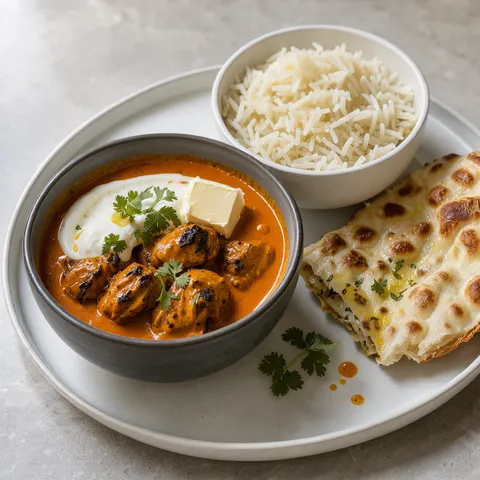 Indian Butter Chicken50 min · Main course
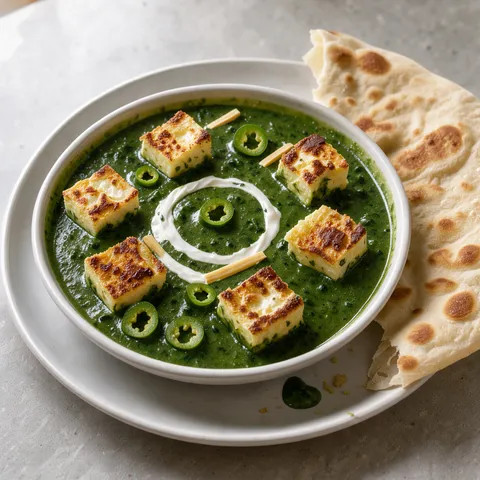 Spinach with Homemade Paneer45 min · Main course
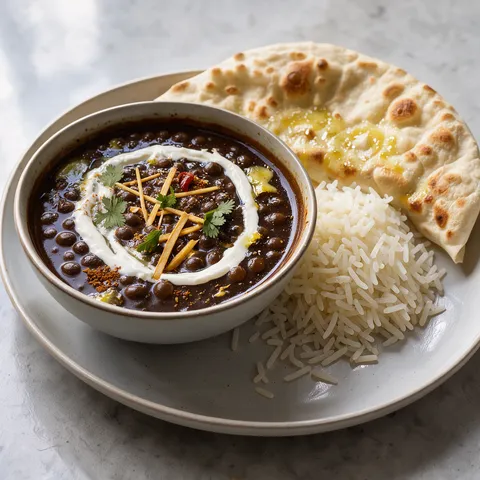 Black Lentil and Kidney Bean Stew1 hr 30 min · Main course
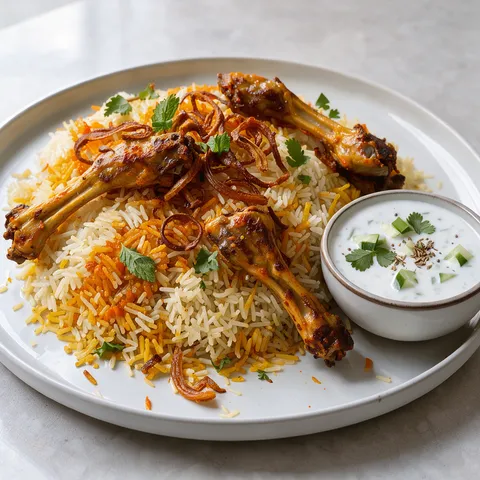 Chicken Dum Biryani1 hr 30 min · Main course
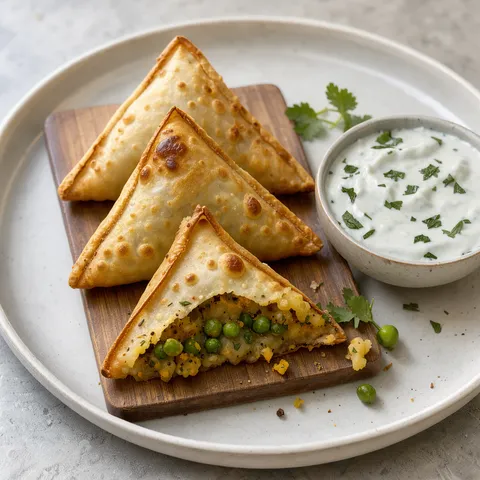 Indian Potato Pastries1 hr 30 min · Bread & pastry
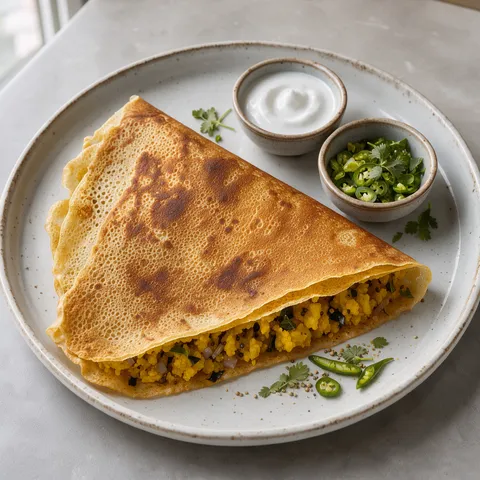 Fermented Rice Crêpes with Spiced Potato50 min · Bread & pastry