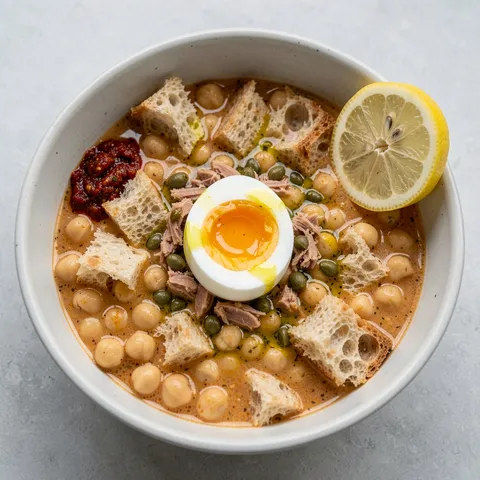
Lablabi Tunisian Chickpea Soup
A Tunisian soup. Takes 1 hr 45 min · +overnight soaking, Serves 4. Difficulty: medium.
At a glance
- Total time
- 1 hr 45 min · +overnight soaking
- Serves
- Serves 4
- Difficulty
- Medium
- Cuisine
- Tunisian cuisine
- Dish type
- Soup
- Diet
- Gluten-free
- Allergens
- Eggs, Fish, Celery
Ingredients
Chickpeas
- 400 g dried chickpeas (soaked overnight)
- 2 litres water
- 1 bay leaf (optional)
- 1.5 tsp salt
Aromatics
- 6 garlic cloves (4 crushed, 2 pounded with salt in a mortar)
- 2 tsp ground cumin
- 2 tbsp Harissa (Basics)
- 60 ml extra virgin olive oil
Bowl base
- 200 g day-old French bread or country bread (1-2 days old)
Toppings (per person)
- 1 egg
- 30 g tuna in olive oil
- 1 tsp capers
- 1/2 lemon
- 1 tsp olive oil
- a pinch of cumin. Serves 4
Equipment
- Saucepan
- Pestle and mortar
- Ladle
- Mixing bowls
- Colander
- Pressure cooker (optional)
Method
- Cook the chickpeas: Drain the soaked chickpeas and put them in a pan with the water, bring to the boil and skim. Add the crushed garlic and bay leaf and cook over low heat for 1 hr to 1 hr 15 min. The chickpeas should crush easily between your fingers but not fall apart. Add the salt for the last 15 min. In a pressure cooker 25 min is enough
- Season the liquid: Add 1.5 tsp of the cumin, half the harissa and 30 ml olive oil to the liquid and boil for another 10 min. The liquid should be slightly orange, smelling of cumin and as full-bodied as a stock
- Prepare the eggs: In Tunisian street style a raw egg is cracked into the middle of the bowl and half-cooked at the table by stirring in the boiling soup. For food safety, soft-boil the eggs in boiling water for 6 min, plunge into iced water and peel, or poach for 3 min, keeping the yolk runny
- Add the bread: Tear the day-old bread by hand into walnut-sized pieces and put a handful in the bottom of each bowl. Fresh bread turns mushy when it takes up liquid, but day-old bread keeps its texture
- Build the bowl: Ladle a scoop of chickpeas and their hot liquid over the bread, enough to soak the bread without it floating. Add a dab of the pounded garlic, a spoonful of harissa, the capers, tuna and a pinch of cumin on top
- Plate: Halve the egg and place it in the middle of the bowl yolk-side up. The tuna and capers should sit around it, and the harissa should stay at the edge as a distinct red patch. Drizzle generously with olive oil, sprinkle with cumin and rest the half lemon on the rim of the bowl. At the table everything is stirred together and eaten with a squeeze of lemon
Chef's note
Lablabi, or leblebi, is the morning and winter soup of Tunisian workers and students. In the shops, customers tear their own bread into their own bowl and the cook adds the rest. The name comes from the same root as the Turkish word leblebi, but here boiled rather than roasted chickpeas are used. Tuna and capers are optional, while harissa and cumin are not. Tuna in olive oil is traditionally used from a tin in Tunisia, and the bread is day-old bread from the bakery.
Frequently asked questions
- Why is stale bread used in lablabi?
- Fresh bread turns mushy as it absorbs liquid, while stale bread keeps its texture. Put the bread at the bottom of the bowl and pour hot chickpea broth over it.
- What do you do about the raw egg in lablabi?
- For food safety, the recipe soft-boils the eggs for 6 minutes or poaches them for 3 minutes, leaving the yolk runny. In the traditional Tunisian way, a raw egg is stirred into the boiling soup at the table.
- When are the chickpeas salted for lablabi?
- Add the salt for the last 15 minutes of cooking. The chickpeas should crush easily between your fingers but not fall apart.
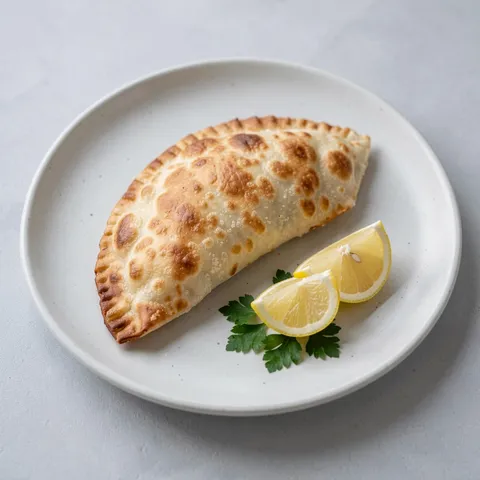 Tunisian Brik with Tuna and Egg40 min · Starter
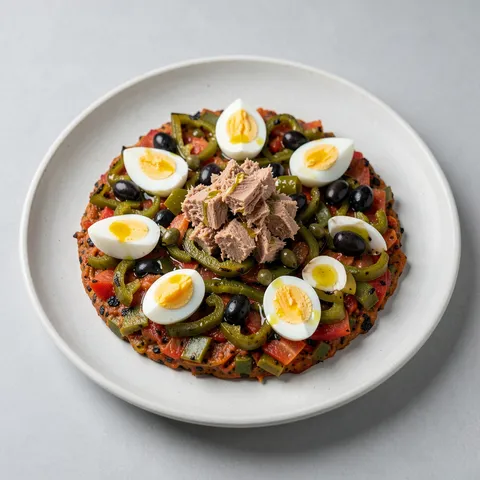 Tunisian Roasted Pepper and Tomato Salad1 hr 10 min · Meze
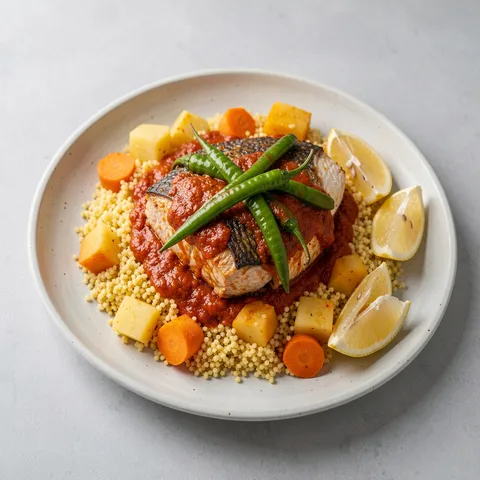 Kesksi bil Hout2 hr · Main course
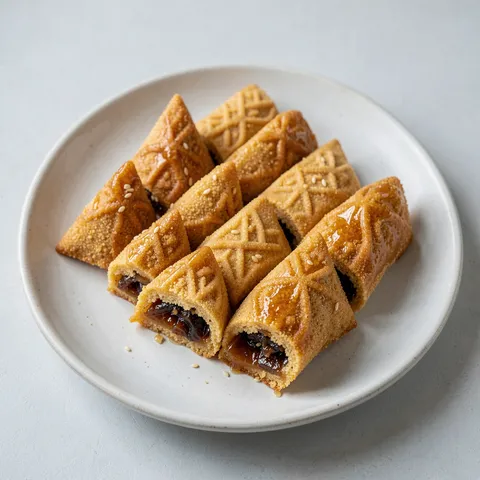 Makroud1 hr 30 min · Dessert
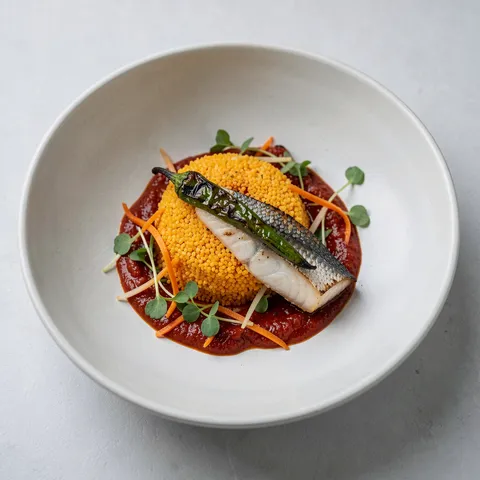 Kesksi bil Hout 2.01 hr 15 min · Main course
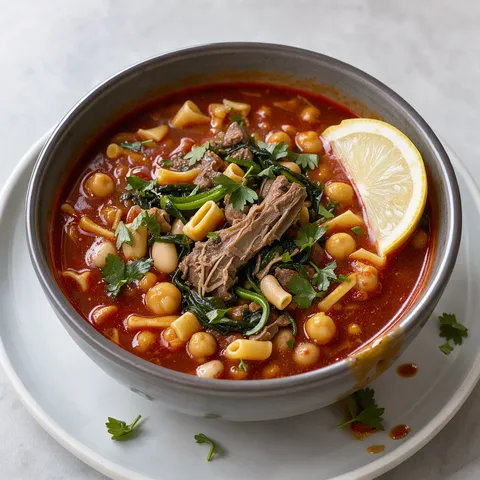 Tunisian Lamb and Chickpea Soup with Handmade Pasta1 hr 55 min · Soup