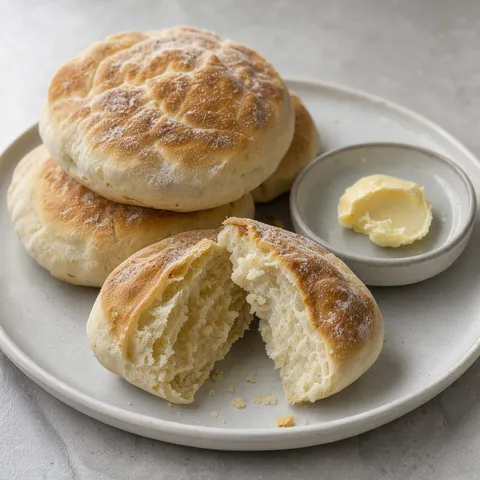
Basotho Dry-Pan Yeast Flatbread Liphaphatha
A Lesotho bread & pastry. Takes 1 hr 10 min · +1 hr 30 min rising, Serves 4. Difficulty: challenging.
At a glance
- Total time
- 1 hr 10 min · +1 hr 30 min rising
- Serves
- Serves 4
- Difficulty
- Challenging
- Cuisine
- Lesotho cuisine
- Dish type
- Bread & pastry
- Allergens
- Gluten
Ingredients
- Dough (makes 8, about 9 cm): 500 g plain flour
- 7 g fast-action dried yeast
- 1 tsp caster sugar
- 1 tsp salt
- 300 ml lukewarm water (about 35°C)
- 1 tbsp sunflower oil (for the bowl)
Cooking
- 30 g flour (for the work surface and pan)
- 50 ml water (for dampening)
Equipment
- Mixing bowls
- Wooden spoon / spatula
- Cling film
- Rolling pin / oklava
- Cast-iron frying pan
- Baking tray
Method
- Activate the yeast: Add the sugar and yeast to 100 ml of the lukewarm water, stir and leave for 5 min. Foam should appear on the surface (5 min)
- Knead the dough: Mix the flour and salt in a large bowl, add the yeast water and the remaining 200 ml water and bring together with a wooden spoon. Knead on the work surface for 10 min, until smooth and elastic (10 min)
- First prove: Oil the bowl, turn the dough in it once, cover with cling film and prove in a warm place for 1 hr, until doubled in size (1 hr proving)
- Roll out and cut: Dust the work surface with flour, press down on the dough with your palm to knock out the gas and roll it out with a rolling pin into an even sheet 1.5 cm thick. Dip the rim of a 9 cm glass in flour and cut rounds from the dough. Gather the offcuts, roll out once more and cut again, to make 8 in total. The 1.5 cm thickness matters, as dough rolled thinner goes hard in a dry pan and dough rolled thicker stays raw in the middle (10 min)
- Let the rounds rise: Arrange the rounds on a floured tray with space between them, cover with a dry tea towel and rest for 30 min, until clearly puffed. Liphaphatha is cooked when fully risen (30 min resting)
- Prepare the pan: Heat the cast-iron pan slowly over medium-low heat for 5 min. Sprinkle a pinch of flour on the base. If the flour turns light beige in 30 sec the pan is ready, and if it darkens at once the pan is too hot, so reduce the heat. No oil is used, as the Basotho cook this bread in a dry, floured iron pot (5 min)
- Cook in the dry pan: Place 4 rounds in the pan and do not cover with a lid. Cook the first side over medium-low heat for 7 min, until the underside is golden brown with a floury crust. Turn and cook the other side for 6-7 min. Press the edges with a finger. If they spring back and the sides are no longer glossy like raw dough, the inside is cooked. Cook the second batch the same way, sprinkling a little flour in the pan before each batch (28 min)
- Dampen and soften: Transfer the cooked breads to a tray, sprinkle a few drops of water over them with your fingertips and immediately cover tightly with a clean tea towel. Leave for 10 min. The steam softens the hard crust, leaving the bread floury and slightly firm on the outside and soft inside (10 min)
- Serve: Serve the breads warm, torn apart in the middle by hand. Eat with butter and jam, or with meat stew and moroho (2 min)
Chef's note
Liphaphatha is described in Lesotho as a flatbread made from wheat flour, yeast or sourdough starter, salt and water and cooked in a dry pot on a floured surface. Sprinkling the cooked breads with water and covering them with a cloth is part of the traditional technique. It differs from Roosterkoek (South African Griddle Bread) on this site in being cooked in a dry, floured pot rather than on a grill over embers, and in being softened under a cloth with steam. The thickness was set at 1.5 cm to make 8 rounds. The breads keep for 1 day in an airtight bag.
Frequently asked questions
- Why does liphaphatha turn hard or stay raw in the middle?
- Thickness decides it, so roll the dough to 1.5 cm. Thinner dough turns hard in a dry pan, while thicker dough stays raw in the middle.
- How do I know the dry pan is hot enough?
- Sprinkle a pinch of flour onto the pan heated over a low-medium heat. If the flour turns light beige in about 30 seconds, the pan is ready, and if it darkens immediately the pan is too hot and you need to lower the heat.
- How do I keep the cooked liphaphatha soft?
- Sprinkle a few drops of water over the cooked breads and wrap them tightly in a clean cloth for 10 minutes. The steam softens the hard crust, leaving the outside floury and slightly firm and the inside soft.
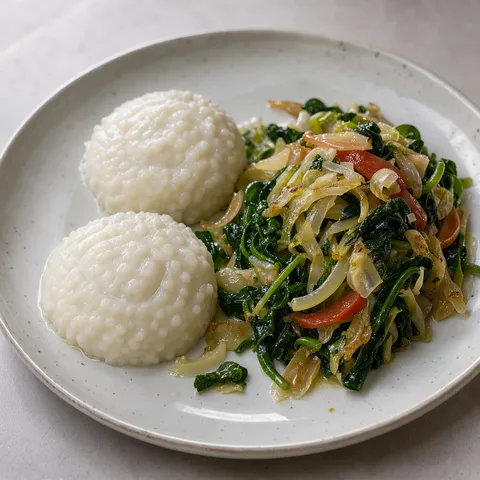 Basotho Maize Porridge and Greens45 min · Main course
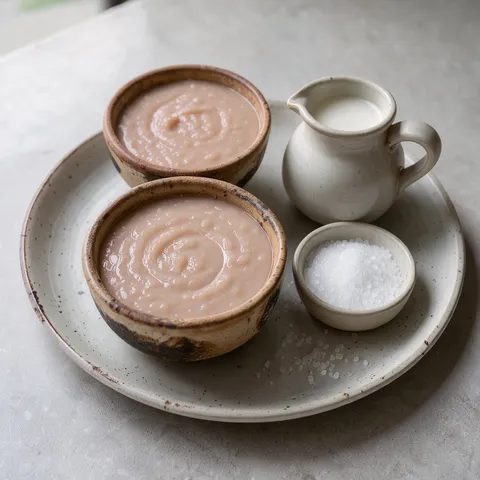 Basotho Fermented Sorghum Porridge49 min · Drink
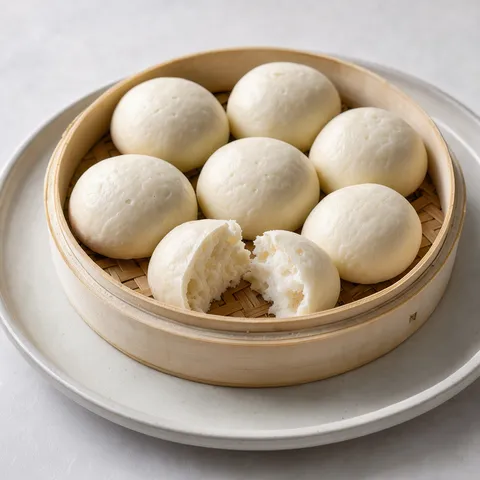 Basotho Steamed Bread Rolls1 hr 2 min · Bread & pastry
 Leqebekoane 2.01 hr 22 min · Main course