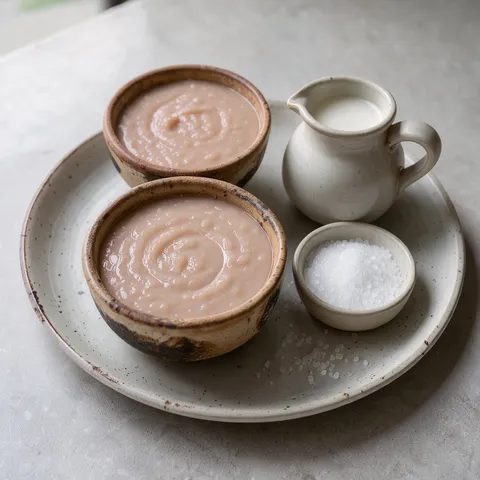
Basotho Fermented Sorghum Porridge Motoho
A Lesotho drink. Takes 49 min · +24-48 hr fermenting, Serves 4. Difficulty: medium.
At a glance
- Total time
- 49 min · +24-48 hr fermenting
- Serves
- Serves 4
- Difficulty
- Medium
- Cuisine
- Lesotho cuisine
- Dish type
- Drink
- Allergens
- Gluten, Milk
Ingredients
Fermented batter
- 250 g sorghum flour (sold in organic and gluten-free shops)
- 750 ml lukewarm water (about 35°C)
- 2 tbsp starter saved from a previous motoho (if available, optional)
Cooking
- 1 litre water
- 1/2 tsp salt
To serve
- 3-4 tbsp caster sugar (to taste)
- 200 ml cold milk (optional)
Equipment
- Mixing bowls
- Balloon whisk
- Heavy-based saucepan
- Wooden spoon / spatula
Method
- Mix the batter: Put the sorghum flour in a 2 litre glass or ceramic container. Add the lukewarm water a little at a time, whisking until there are no lumps, to a thick cream. If you have a starter saved from a previous batch, add it now, as it speeds up fermentation and keeps the flavour consistent. Do not use a metal container, as sour batter reacts with metal and spoils the flavour (5 min)
- Ferment: Cover the container with a clean tea towel and leave in a warm place at 25-30°C (near a radiator or in an oven switched off with the light on) for 24-48 hr, stirring once a day with a clean spoon. In Lesotho the batter is left near the hearth, and the sour taste of motoho comes from this fermentation (24-48 hr fermenting)
- Check: Small bubbles should form on the surface of the batter and it should smell pleasantly sour, like yoghurt. A thin layer of water may separate on top, which is normal and returns when stirred. If you see pink, green or black mould, or the smell is sharp and rotten, discard the batter. Set aside 2 tbsp of batter in a clean jar in the fridge for the next batch (2 min)
- Boil the water: In a heavy-based 3 litre pan, bring the 1 litre water to the boil with the salt (8 min)
- Loosen the batter: Whisk the fermented batter for 1 min to mix the separated water back in. The batter should be pourable. If it is too thick, add 50 ml lukewarm water (3 min)
- Add the batter: Reduce the heat to medium-low. Pour the batter into the boiling water in a thin stream, stirring constantly with a wooden spoon with your other hand. Batter poured in all at once clumps and stays raw (5 min)
- Cook: Cook over low heat for 20 min, scraping the bottom with a wooden spoon and stirring often. The porridge will thicken and turn glossy, reaching a drinkable consistency that falls slowly from a spoon. Taste. The raw flour taste should be completely gone, with a pleasant sourness remaining. If it thickens, add hot water, as motoho is fluid enough to be eaten with a spoon or drunk (20 min)
- Sweeten: Take off the heat, add sugar to taste and stir. In Lesotho some people drink it unsweetened and some sweet (3 min)
- Serve: Divide the motoho between bowls or mugs. Add cold milk if you like. Serve hot or warm, as a breakfast dish (3 min)
Chef's note
Motoho is a porridge eaten or drunk at breakfast in Lesotho, soured by fermenting sorghum flour, and in some homes it is also made with maize meal. The fermenting time depends on the temperature of the room, and in hot weather 24 hr is enough. Natural fermentation can be slow in the first batch, and in later batches the saved starter shortens the time. It differs from the maize porridges on this site (papa, pap, sadza) in being made from fermented batter and being a fluid, sour drink. The saved starter stays alive for 1 week in the fridge.
Frequently asked questions
- How can I tell if the motoho batter has spoiled?
- Healthy batter has small bubbles and a sour smell like yoghurt. If you see pink, green or black mould, or the smell is sharp and rotten, throw the batter away.
- Why shouldn't I ferment in a metal container?
- Sour batter reacts with metal and spoils the flavour. Use a glass or ceramic container.
- How is the batter added to the boiling water?
- Pour the batter into the boiling water in a thin stream, stirring constantly. Poured in all at once, it clumps and stays raw.
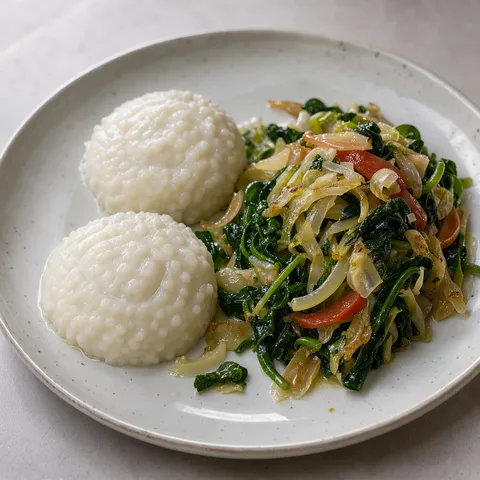 Basotho Maize Porridge and Greens45 min · Main course
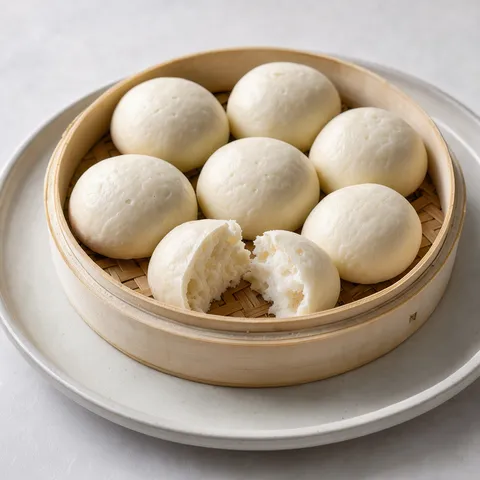 Basotho Steamed Bread Rolls1 hr 2 min · Bread & pastry
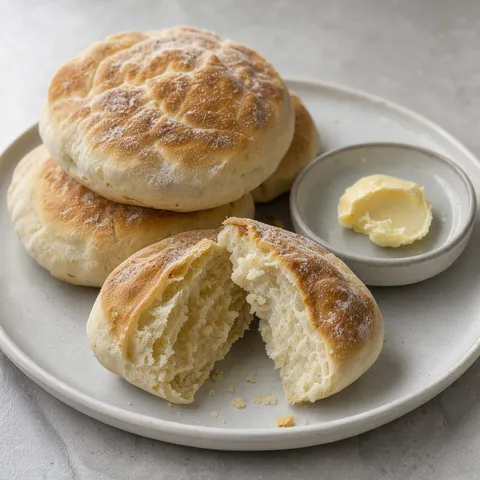 Basotho Dry-Pan Yeast Flatbread1 hr 10 min · Bread & pastry
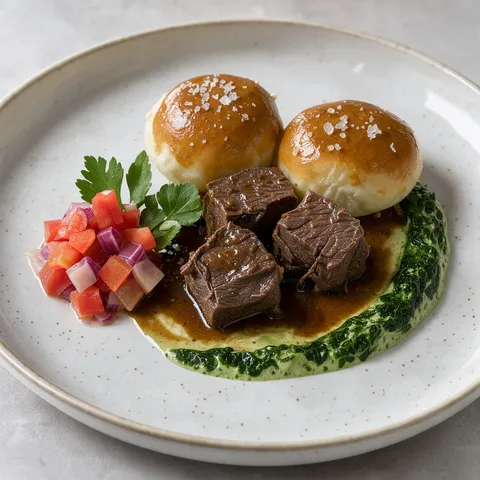 Leqebekoane 2.01 hr 22 min · Main course