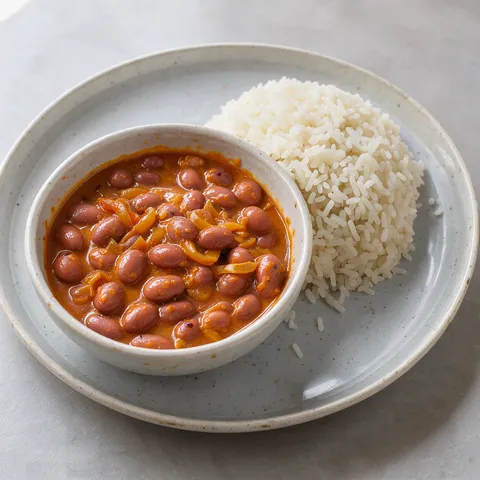
Congolese Bean and Tomato Stew Madesu
A Congolese (DR Congo) main course. Takes 1 hr 10 min · +8 hr soaking (ordinary pan: ~2 hr), Serves 4. Difficulty: medium.
At a glance
- Total time
- 1 hr 10 min · +8 hr soaking (ordinary pan: ~2 hr)
- Serves
- Serves 4
- Difficulty
- Medium
- Cuisine
- Congolese (DR Congo) cuisine
- Dish type
- Main course
- Diet
- Gluten-free
- Allergens
- Fish
Ingredients
Beans
- 350 g dried borlotti beans
- plenty of cold water for soaking
- 1 litre water (for boiling)
Sauce
- 4 tbsp sunflower oil
- 2 onions (thinly sliced into half-moons)
- 4 garlic cloves (crushed)
- 1 green pepper (diced)
- 3 ripe tomatoes (grated, about 400 g)
- 2 tbsp tomato paste
- 1 bay leaf
- 1 whole hot red chilli (pili pili)
- 1/2 tsp black pepper
- 1 tsp salt
- 300 ml bean cooking water (reserved from boiling)
Rice
- 300 g long-grain rice
- 600 ml water
- 1/2 tsp salt
Equipment
- Mixing bowls
- Colander
- Pressure cooker
- Ladle
- Heavy-based saucepan
- Saucepan
- Box grater
- Chef's knife
- Chopping board
- Wooden spoon / spatula
Method
- Soak: Pick over the beans, rinse and soak in three times their volume of cold water for 8 hr or overnight. Drain and rinse before cooking. Soaked beans cook evenly and their skins do not burst
- Pressure-cook: Put the beans in a 6 litre pressure cooker with the 1 litre water (water and beans should not fill more than half the cooker). Bring to the boil uncovered and skim off the foam (about 10 min). Lock the lid and, once it reaches pressure, cook over a low heat for 20 min, then let the pressure release naturally (about 10 min). The beans should crush easily. In an ordinary pan with the lid ajar it takes 1 hr 15 min. Reserve 300 ml of the cooking water and drain the beans
- Fry the onion: While the beans cook, heat the oil in a 24 cm heavy-based saucepan over a medium heat, add the onion and fry for 8 min, stirring, until golden brown at the edges. In the Congolese style the onion takes on plenty of colour, giving the sauce a sweet, lightly toasted depth
- Aromatics and paste: Add the garlic and green pepper and cook for 2 min. Add the tomato paste and fry for 1 min, until it loses its raw taste and stains the oil red
- Cook the tomatoes: Add the grated tomato and cook for 8 min, until the liquid has evaporated and the sauce has thickened
- Cook the beans in the sauce: Add the drained beans, 300 ml cooking water, bay leaf, whole chilli, black pepper and salt. Bring to the boil, then leave the lid ajar and simmer over a low heat for 25 min. Meanwhile, crush a ladleful of beans against the side of the pan with a wooden spoon so the sauce thickens and turns creamy. Left whole and unbroken, the chilli gives the sauce aroma rather than heat
- Cook the rice: While the beans simmer, rinse the rice. Bring 600 ml water to the boil with the salt in a medium saucepan, add the rice and, once it boils, turn the heat to the lowest setting, cover and cook for 15 min, then leave to steam for 10 min without lifting the lid
- Finish: Remove the bay leaf and chilli and check the salt. The sauce should coat the spoon and flow, but not be watery
- Serve: Put rice on each plate with two ladlefuls of madesu alongside. In Kinshasa this pairing is called loso na madesu (rice and beans)
Chef's note
Madesu means beans in Lingala, and it is one of the everyday dishes cooked most often in Congolese homes and in school and workplace canteens. In Congo madesu is often cooked with red palm oil. If you find it, use 2 tbsp in place of half the sunflower oil: it gives the sauce an orange colour and a slightly earthy taste. Some households add smoked fish or spinach to the sauce. It is thicker and tastier the next day.
Frequently asked questions
- What does madesu mean and what is it served with?
- Madesu means beans, and it is served with rice. In Kinshasa the pairing is called loso na madesu (rice and beans).
- Why is the chilli left whole in madesu?
- A whole chilli that isn't burst gives the sauce aroma rather than heat. Remove it before serving.
- How does the madesu sauce become creamy?
- While it cooks, mash a ladleful of beans against the side of the pot with a wooden spoon. The sauce thickens and turns creamy.
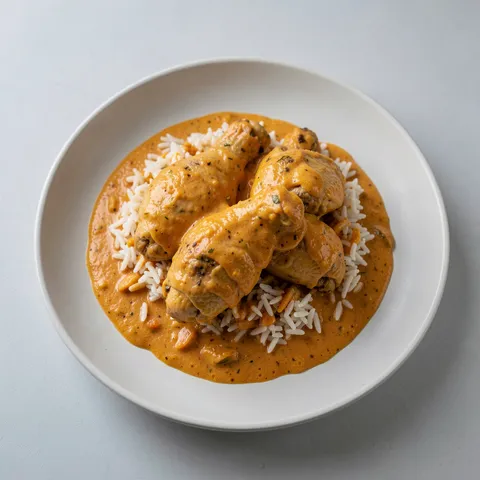 Congolese Chicken in Palm Nut Sauce1 hr 40 min · Main course
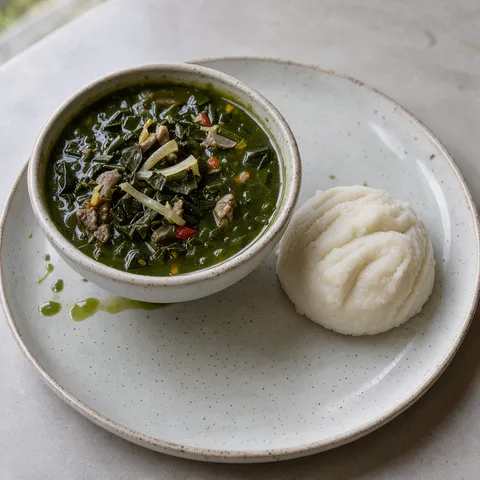 Congolese Cassava Leaf Stew with Fufu1 hr 55 min · Main course
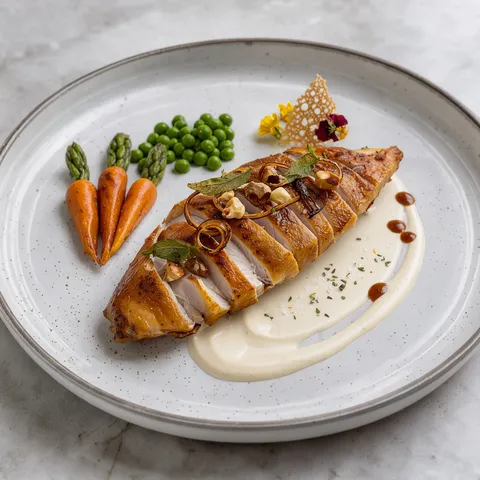 Poulet à la Moambe 2.01 hr 25 min · Main course
 Congolese Chargrilled Goat Skewers1 hr · Main course
 Congolese Fried Flatbread1 hr 50 min · Bread & pastry
 Congolese Peanut Greens Stew1 hr 6 min · Main course