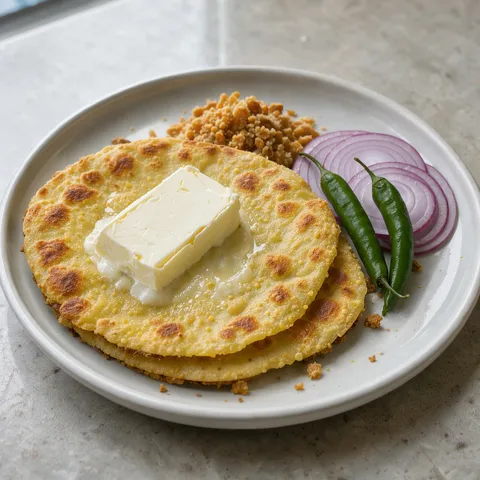
Makki di Roti Punjabi Cornmeal Flatbread with White Butter and Jaggery
An Indian bread & pastry. Takes 1 hr 4 min, Serves 4. Difficulty: challenging.
At a glance
- Total time
- 1 hr 4 min
- Serves
- Serves 4
- Difficulty
- Challenging
- Cuisine
- Indian cuisine
- Dish type
- Bread & pastry
- Diet
- Vegetarian
- Allergens
- Gluten, Milk
Ingredients
Dough
- 300 g fine yellow cornmeal
- 1 tsp ajwain (carom seeds)
- 1 tsp salt
- about 250 ml boiling water
- 1 tbsp ghee (for kneading)
Cooking
- 4 tbsp ghee or butter
- flour for dusting (when rolling out)
To serve
- 80 g fresh unsalted butter
- 60 g jaggery or dark brown sugar
- 1 onion
- 4 green chillies
- 250 g yoghurt
Equipment
- Saj
- Mixing bowls
- Wooden spoon / spatula
- Baking paper (optional)
- Saucepan (optional)
Method
- Prepare the flour: Mix the cornmeal, ajwain and salt in a large bowl. Ajwain lightens the heavy taste of cornbread and aids digestion. If you crush the seeds in your palm before adding them, their aroma opens up (~3 min)
- Make the dough with boiling water: Boil the water, make a well in the centre of the flour and pour in the water in two halves. Stir quickly with a wooden spoon, because boiling water gelatinises the starch in the cornmeal and binds the dough. Because corn is gluten-free, hot water is essential (~4 min)
- Knead: Once the dough has cooled enough to handle, add 1 tbsp ghee and knead with your palm for 5 min. The dough should be smooth and slightly sticky, able to be rolled into balls without cracking. If it is dry, add 1 tbsp lukewarm water to your palm. Cover and rest for 10 min (~15 min)
- Make balls: Divide the dough into 8 equal pieces and roll into balls in your greased palms. The balls should not crack, and if they do, re-roll them in wet palms. Keep the flattened rotis waiting between sheets of baking paper (~4 min)
- Roll out the roti by hand: Flatten each ball by hand between sheets of baking paper or on your wet palm to 14 cm in diameter and 4 mm thick. Do not use a rolling pin, as the dough sticks and the edges crack. Push the dough outwards with your hand and fingers, and the edges may be slightly uneven (~10 min)
- Cook: A single saj cooks 8 rotis in about 20 min, and if you use two sajs the time is halved. Heat a cast-iron saj or a heavy pan over medium-high heat. Put the roti in the dry pan, turn it after 2.5 min and cook the other side for 2.5 min. Brown spots should appear on the surface. (~22 min)
- Brush with ghee: Brush the cooked roti with ghee straight away, as the ghee soaks into the hot cornbread and locks in moisture. Keep warm by stacking and covering with a clean tea towel. They harden as they cool, so cook in sequence and serve at once (~3 min)
- Serve: Put two rotis on a flat plate, slightly overlapping. Top each roti with a piece of fresh white butter, with a spoonful of crumbled jaggery beside it and onion rings and green chillies laid alongside. Bring the yoghurt in a separate bowl. Serve hot (~3 min)
Chef's note
Makki di roti is eaten with sarson da saag in winter, but the version with butter and jaggery is also a Punjabi classic. The cornmeal should be finely milled, otherwise the dough cracks. The white butter should be unsalted, fresh and cold. Greasing your hands stops the dough from sticking.
Frequently asked questions
- Why is makki di roti dough kneaded with boiling water?
- Cornmeal is gluten-free. Boiling water gelatinises the cornstarch and binds the dough, so hot water is essential.
- The edges crack when I roll the roti. What should I do?
- If the balls crack, re-roll them in a wet palm. If the dough is dry, add 1 tbsp of lukewarm water to your palm. Don't use a rolling pin, as the dough sticks and the edges crack.
- Why does makki di roti go hard when cold?
- It hardens as it cools. So cook them one after another and serve straight away. Brush the cooked roti with ghee, as the ghee locks in the moisture. Keep stacked rotis warm under a cloth.
 Indian Butter Chicken50 min · Main course
 Spinach with Homemade Paneer45 min · Main course
 Black Lentil and Kidney Bean Stew1 hr 30 min · Main course
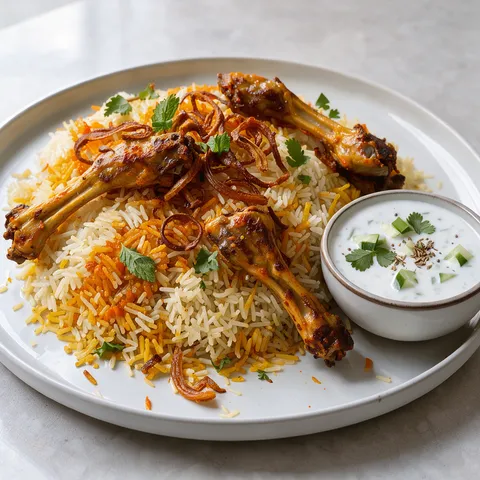 Chicken Dum Biryani1 hr 30 min · Main course
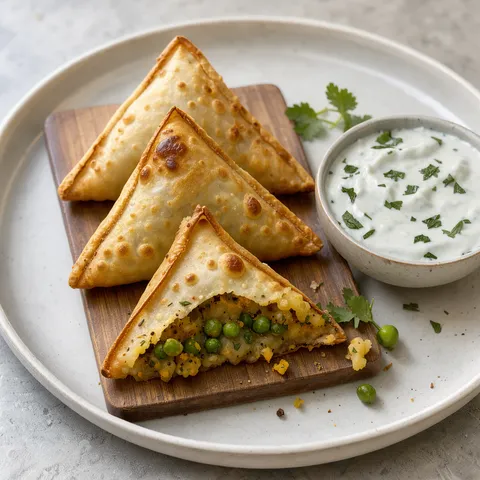 Indian Potato Pastries1 hr 30 min · Bread & pastry
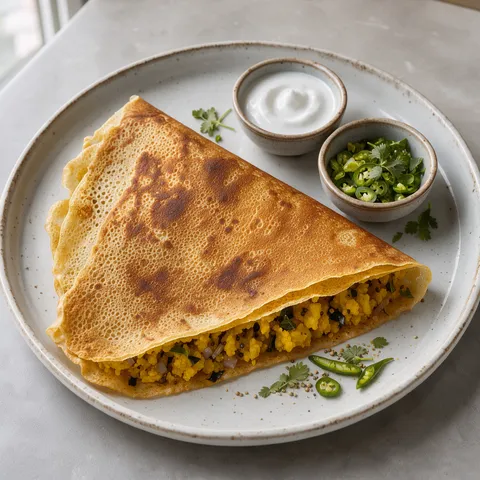 Fermented Rice Crêpes with Spiced Potato50 min · Bread & pastry