
Portuguese Custard Tarts Pastéis de Nata
A Portuguese patisserie. Takes 1 hr 20 min · +1 hr 40 min resting, 12 pieces (4 servings). Difficulty: medium.
At a glance
- Total time
- 1 hr 20 min · +1 hr 40 min resting
- Serves
- 12 pieces (4 servings)
- Difficulty
- Medium
- Cuisine
- Portuguese cuisine
- Dish type
- Patisserie
- Allergens
- Gluten, Milk, Eggs
Ingredients
Pastry
- 250 g plain flour (2 tbsp set aside for the butter block)
- 250 g cold butter
- 1 tsp salt
- 120 ml iced water
Custard
- 500 ml milk
- 3 tbsp (30 g) plain flour
- 150 g caster sugar
- 100 ml water
- 6 egg yolks
- pared zest of 1 lemon
- 1 cinnamon stick
Topping
- icing sugar and cinnamon
Equipment
- Rolling pin / oklava
- Oven
- Saucepan
- Balloon whisk
- Fine sieve / chinois
- Mixing bowls
- Sugar thermometer (optional)
Method
- Make the dough: Rub 50 g of the butter, in small cubes, into the flour and salt with your fingertips. Add the iced water and bring together without kneading. Rest in the fridge for 20 min
- Laminate: Coat the remaining butter in flour and shape it between sheets of plastic into a 12×20 cm rectangle. Roll the dough out to 20×30 cm, put the butter in the centre and fold it in 3. Chill for 20 min, and repeat this three times. Cold butter creates the layers: if the butter melts, the pastry turns greasy
- Make the syrup: Boil the sugar and 100 ml water in a saucepan, add the lemon zest and cinnamon and simmer for about 5-6 min. It should reach 110°C on a sugar thermometer: at this density the syrup gives the custard a light caramel note
- Make the custard: Whisk 100 ml of the milk into the flour until smooth. Heat the remaining milk, add the flour mixture and stir for 4 min until thickened. Whisk in the syrup in a thin stream. Whisk the yolks and gradually combine them with the hot custard (tempering). Strain. The custard should be runny
- Line the tins: Roll the dough out 3 mm thick, roll it up into a log 6 cm in diameter and cut it into 12 pieces. Put the pieces into a greased tin and press them with your thumb up the sides until they rise above the rim. The sides should be thin and the base thick
- Fill: Pour the custard into the cases until they are 3/4 full. Don't overfill, as it puffs up
- Bake: Bake on the bottom shelf of an oven preheated to 250°C for 12-15 min, until the tops are browned with dark spots (leopard spots). The high heat makes the pastry crisp and caramelises the custard
- Rest and plate: Remove from the tin after 5 min. Serve warm, dusted with icing sugar and cinnamon. Put 3 on each plate
Chef's note
Originating at the monastery in Belém, Lisbon, these tarts owe their flavour to the heat of the oven, so baking at the highest temperature your oven allows is essential. Instead of shop-bought puff pastry, a quick laminated dough (rough puff) is made here: the traditional pastry, with 6 folds, takes longer. The custard heats through enough on the hob and in the oven for the yolks to be cooked.
Frequently asked questions
- Why must the butter stay cold in pastéis de nata pastry?
- Cold butter creates the layers. If the butter melts, the pastry turns greasy, so rest it in the cold for 20 minutes between folding turns.
- How do the leopard spots on top form?
- The tarts bake on the bottom shelf of an oven heated to 250°C. The high heat crisps the pastry and caramelises the custard, so the top browns with dark brown spots.
- How is the custard combined with egg yolk without curdling?
- Whisk the yolks and combine them with the hot custard a little at a time (tempering). Then strain the custard, and it should be runny.
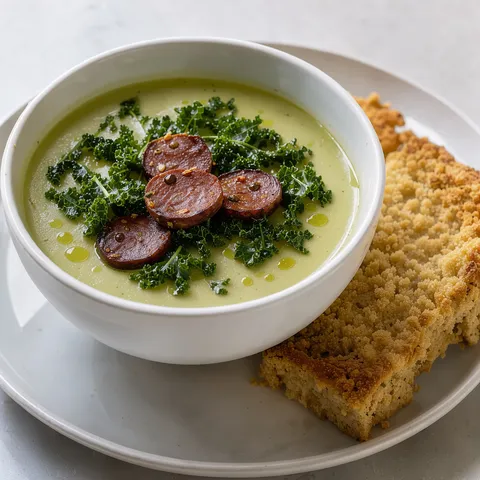 Portuguese Kale, Potato and Sausage Soup50 min · Soup
 Salt Cod with Eggs and Crisp Potatoes50 min · Main course
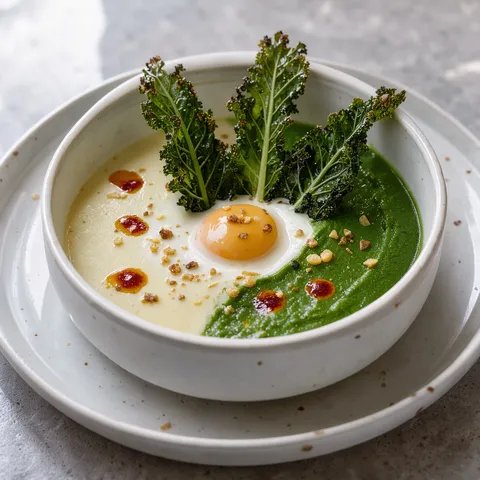 Caldo Verde 2.01 hr 15 min · Soup
 Alentejo Coriander Bread Soup30 min · Soup
 Algarve-Style Barbecued Chicken1 hr 40 min · Main course
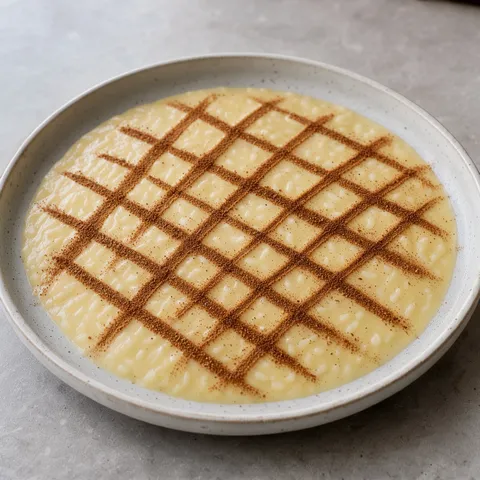 Portuguese Lemon and Cinnamon Rice Pudding1 hr 10 min · Dessert