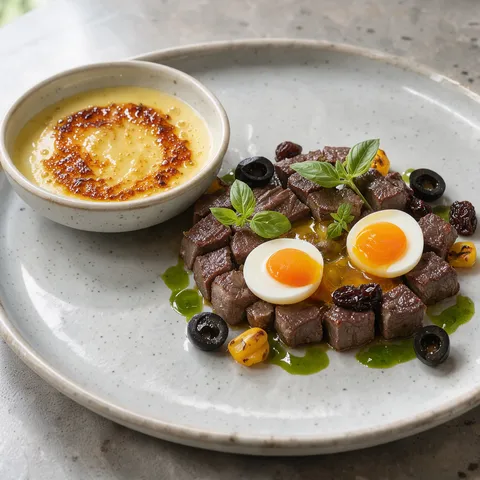
Pastel de Choclo 2.0
A Chilean main course. Takes 1 hr 25 min, Serves 4. Difficulty: challenging.
At a glance
- Total time
- 1 hr 25 min
- Serves
- Serves 4
- Difficulty
- Challenging
- Cuisine
- Chilean cuisine
- Dish type
- Main course
- Diet
- Gluten-free
- Allergens
- Milk, Eggs, Celery, Sulphites
Ingredients
Corn brûlée
- 600 g fresh sweetcorn kernels (from 4-5 cobs)
- 200 ml milk
- 100 ml double cream
- 30 g butter
- 8 basil leaves
- 1 tsp salt
- 2 egg yolks
- 4 tbsp caster sugar (for the caramel crust)
Pino
- 400 g beef rib-eye or sirloin
- 2 onions
- 1 tbsp sunflower oil
- 1 tsp cumin
- 1 tsp sweet paprika
- 1/2 tsp merkén (Chilean smoked chilli)
- 100 ml Brown Beef Stock (Basics)
- 15 g butter
- salt
Olives and raisins
- 12 black olives (stoned)
- 30 g raisins
- 3 tbsp lukewarm water
- 1 tsp red wine vinegar
Quail's eggs
- 8 quail's eggs
Basil oil
- 1 bunch of basil
- 80 ml neutral oil
Charred corn
- 1 fresh corn cob
To finish
- basil shoots
- flaky salt
Equipment
- Saucepan
- Blender
- Muslin
- Fine sieve / chinois
- Probe thermometer
- Balloon whisk
- Oven
- Baking tray
- Chef's knife
- Sauté pan
- Cast-iron frying pan
- Kitchen blowtorch
- Cake ring / food ring
Method
- Make the basil oil: Blanch the basil in boiling water for 10 sec, plunge into iced water and squeeze out thoroughly. Blend with the oil for 2 min, taking care that the oil does not go above 60°C. Strain by letting it drip through muslin, which gives a bright green oil. The basil that goes into the corn in the classic version becomes a separate colour and aroma on the plate here
- Cook the corn cream: Blend the corn kernels with the milk for 2 min and push through a fine sieve with a spoon, leaving the kernel skins in the sieve so that the cream is smooth. Melt the butter in a pan and add the corn milk, cream, basil leaves and salt. Cook on low heat for 12 min, scraping the bottom, until the corn starch sets and the mixture thickens like a custard. Remove the basil
- Bind with yolks and mould: Preheat the oven to 150°C and boil a kettle of water. Let the cream cool to 70°C, checking with a thermometer, since the yolks curdle if it is hotter. Whisk in the yolks and divide among 4 shallow ovenproof dishes 10 cm across, 2 cm deep. Put the dishes in a deep tray, pour boiling water into the tray to come halfway up the dishes and bake for 25 min. The edges should be set and the centre slightly wobbly. Take out of the water and let cool for 10 min
- Prepare the olives and raisins: Soak the raisins in the lukewarm water and vinegar for 10 min to plump them up. Cut the olives into quarters. Mix with the drained raisins
- Cut the meat: Trim the sinew and outer fat from the rib-eye and, with a chef's knife, cut into 4 mm dice. The classic pino is made with mince, and meat cut with a knife gives a juicy, distinct texture here
- Caramelise the onion: Cut the onions into 3 mm dice and cook in the oil in a sauté pan over medium-low heat for 15 min, until deep golden and sweet. Add the cumin, paprika and merkén and stir for 30 sec. Add the stock and reduce for 3 min, until the liquid has reduced by half and coats the onion in a glossy sauce
- Sear the meat: Heat a cast-iron pan over very high heat until smoking. Spread the diced meat in a single layer in two batches and cook for 60-90 sec, until browned outside. Add to the onion sauce, toss for 30 sec with the butter to give a shine and season with salt. The centre of the meat should stay slightly pink
- Char the corn and cook the eggs: In the same cast-iron pan, char the corn cob, turning, for 5 min, until the kernels are charred in places, then cut the kernels off with a knife. Drop the quail's eggs into boiling water, cook for exactly 2 min 15 sec and move to iced water. Peel them: the white should be set and the yolk half runny
- Caramel crust: Blot the surface of the corn brûlée dishes lightly with kitchen paper, as sugar does not melt on a damp surface. Sprinkle 1/2 tbsp caster sugar thinly and evenly over each dish and melt it with a blowtorch until the surface turns amber caramel, then leave for 1 min to harden. Sprinkle on a second thin layer of sugar and torch again, until the crust is glassy and breaks under a spoon. The sugared surface baked in the oven in the classic version becomes a cracking crust here
- Plate: On one side of a wide flat plate, put the brûlée dish. On the other side set an 8 cm pastry ring, fill it with pino, press lightly and lift the ring. On top of the pino set two quail's eggs, cut in half with the runny yolks facing up, and sprinkle with flaky salt. Scatter the olive and raisin mixture and the charred corn kernels around the pino. Dot the plate with drops of basil oil and finish with basil shoots. The guest breaks the caramel crust with a spoon and takes the corn cream together with the pino
Chef's note
In the classic version the layers baked on top of one another are separated side by side here: the corn topping becomes a silky cream set with yolks, the sugar above it a glassy crust, and the pino becomes meat cut with a knife and seared in seconds. A quail's egg with a runny yolk replaces the boiled egg, while the olives and raisins are kept as in the classic. The yolk of the quail's egg stays half runny: use very fresh eggs, and cook them through for pregnant women, small children and the elderly.
Frequently asked questions
- How do I make the caramel crust on the corn brûlée?
- Dry the surface with kitchen paper, because sugar won't melt on a damp surface. Burn a thin, even layer of sugar with a blowtorch until it turns amber caramel, then repeat with a second thin layer.
- Why be careful when adding egg yolks to the corn cream?
- Warm the cream to no more than 70°C and check it with a thermometer. If it is hotter, the yolks turn lumpy.
- How are the quail eggs cooked in this recipe?
- Cook them in boiling water for exactly 2 minutes 15 seconds and move to iced water. The white is set and the yolk stays half runny.
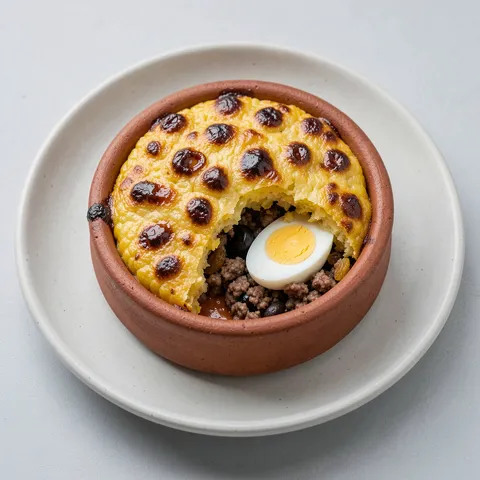 Chilean Beef and Sweetcorn Pie1 hr 40 min · Main course
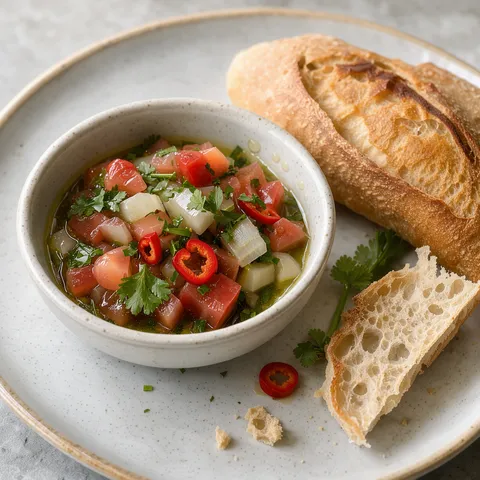 Chilean Tomato and Coriander Salsa20 min · Meze
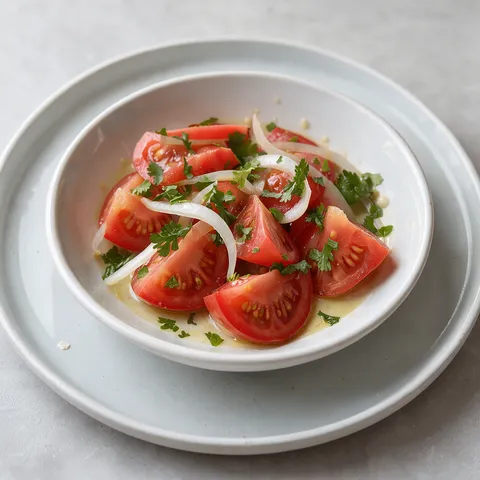 Chilean Tomato and Onion Salad20 min · Salad
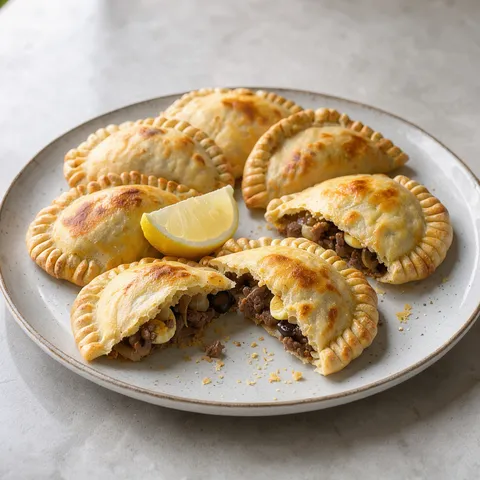 Chilean Beef and Onion Empanadas1 hr 30 min · Meze
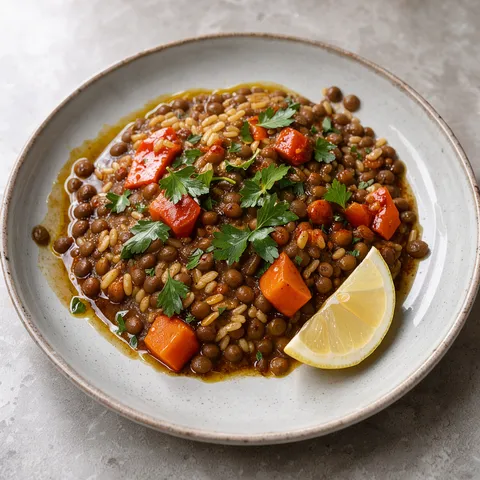 Chilean Lentil and Rice Stew49 min · Main course
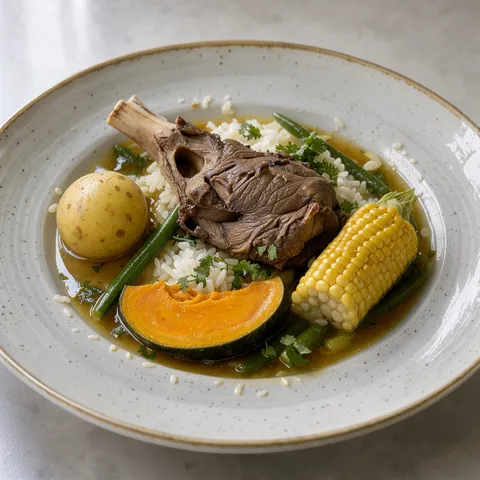 Chilean Beef and Vegetable Soup2 hr · Soup
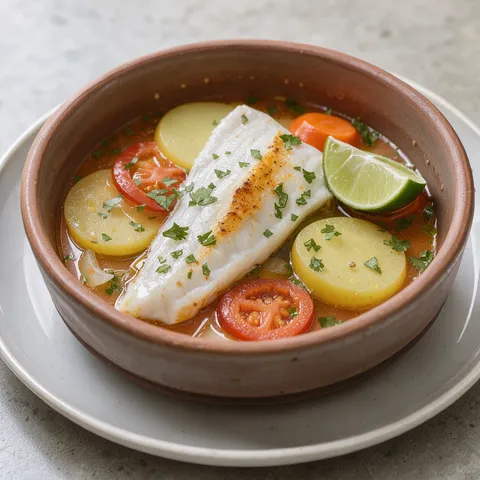 Chilean Fish and Potato Soup1 hr · Soup