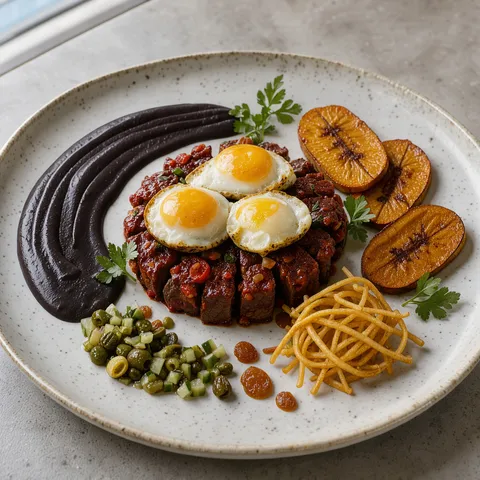
Picadillo 2.0
A Cuban main course. Takes 1 hr 25 min, Serves 4. Difficulty: challenging.
At a glance
- Total time
- 1 hr 25 min
- Serves
- Serves 4
- Difficulty
- Challenging
- Cuisine
- Cuban cuisine
- Dish type
- Main course
- Diet
- Gluten-free
- Allergens
- Milk, Eggs, Sulphites
Ingredients
Black bean cream
- 200 g dried black beans (unsoaked)
- 1.2 litres water
- 1/2 onion
- 2 garlic cloves
- 1 bay leaf
- 1/2 green pepper
- 30 g butter
- 1/2 tsp cumin
- 1 tsp white wine vinegar
- 1 tsp salt
Sofrito jam
- 3 tbsp olive oil
- 1 onion
- 1 green pepper
- 3 garlic cloves (all very finely chopped)
- 1 tsp cumin
- 1 tsp dried oregano
- 1 tbsp tomato paste
- 100 ml dry white wine
- 200 g ripe tomatoes (grated)
- 1/2 tsp salt
Knife-cut beef
- 500 g beef sirloin or rib-eye (sinew removed)
- 1/2 tsp salt
- 2 tbsp sunflower oil
Sultana and rum purée
- 80 g sultanas
- 60 ml dark rum
- 60 ml water
Olive salsa
- 60 g pitted green olives
- 1 tbsp capers
- 1 tbsp chopped flat-leaf parsley
- 2 tbsp olive oil
- 1 tsp white wine vinegar
Maduro
- 2 very ripe plantains (skins blackened)
- 20 g butter
- a pinch of salt
Matchstick potatoes
- 1 large potato
- 500 ml sunflower oil
- a pinch of salt
Egg
- 8 quail's eggs
- 1 tsp olive oil
To finish
- parsley shoots
Equipment
- Pressure cooker
- Sauté pan
- Saucepan
- Blender
- Fine sieve / chinois
- Squeezy bottle
- Chef's knife
- Chopping board
- Mandoline
- Probe thermometer
- Frying pan
- Cast-iron frying pan
- Cake ring / food ring
Method
- Pressure-cook the beans: Put the washed beans, water, onion, garlic, bay leaf, pepper and 1 tbsp of oil (to cut the foam) in a pressure cooker, filled no more than halfway. Close the lid, once the cooker reaches pressure lower the heat and cook for 40 min, then let the pressure release naturally for 10 min. Unsoaked black beans become completely soft in a pressure cooker in this time. Salt is not added until the pressure is gone, as early salt toughens the skins
- Cook the sofrito jam: While the beans cook, heat the olive oil in a sauté pan over medium heat and cook the onion and pepper for 10 min, until very soft and lightly caramelised. Add the garlic, cumin and oregano and stir for 1 min, then fry the tomato paste for 1 min. Deglaze with the wine, scraping up the sediment, add the tomatoes and salt and cook on low heat for 12-15 min, until the liquid has completely evaporated and the jam is dark and leaves a trail when scored with a spoon. All the sauce flavour of the classic picadillo is gathered in this concentrated base
- Make the sultana purée: Bring the sultanas, rum and water to the boil in a small saucepan and cook on low heat for 8 min, until the sultanas have swollen and the liquid has reduced by half. Blend until smooth, adding a spoonful of water if needed, pass through a fine sieve and fill a squeeze bottle
- Chop the beef by knife: Pat the sirloin dry with kitchen paper. With a sharp chef's knife, cut it first into 3 mm slices, then into strips, then into 3 mm cubes. Mincing by machine crushes the meat and lets the juice run out, whereas hand-chopped meat sears in the pan and stays juicy inside. Keep cold in the fridge
- Prepare the olive salsa and potatoes: Finely chop the olives and capers and mix with the parsley, olive oil and vinegar. Peel the potato, slice it 2 mm thick on a mandoline and cut the slices into matchsticks. Wash twice in cold water to remove the starch and dry very thoroughly with kitchen paper
- Fry the matchstick potatoes: Heat the oil in a saucepan to 170°C and fry the potatoes in two batches for 2-3 min, until the bubbles subside and they are golden and crunchy. Drain on kitchen paper and season with salt. The fried potato inside the Cuban picadillo becomes a crispness on top here
- Blend the bean cream: Open the pressure cooker and remove the bay leaf. Blend the beans with 150 ml of the cooking liquid, the butter, cumin, vinegar and salt for 1-2 min. Press through a fine sieve, so the skins are left behind and a silky, dark cream remains. The consistency should run slowly from a spoon, and if needed loosen with cooking liquid and keep warm
- Caramelise the maduro: Peel the plantains and slice diagonally 1.5 cm thick. Melt the butter in a frying pan over medium heat and cook the slices for 2-3 min on each side, until the edges are deep caramel-coloured and the inside is soft, then season with salt
- Sear the beef and cook the eggs: Heat a cast-iron frying pan over very high heat until smoking hot and add the oil. Season the beef with salt and sear in two batches of 1.5-2 min each, until browned outside and slightly pink inside. The cooking is completed in the jam. Lower the heat, add the sofrito jam and cook, stirring, for 2-3 min, bringing the meat to at least 63°C with a thermometer. In a separate non-stick frying pan, heat the olive oil over low heat, break in the quail's eggs and cook for 1 min, until the whites are set and the yolks stay runny
- Plate: Put two spoonfuls of bean cream on the left of the plate and draw a wide arc with the back of the spoon. Put an 8 cm pastry ring in the centre, fill it with the picadillo, press lightly and lift off the ring. Set two quail's eggs side by side on top, a nod to picadillo a caballo. Fan three slices of maduro on the right. Make a small nest of matchstick potatoes and lean it against the edge of the picadillo. Dot 5-6 drops of sultana purée on the plate, put a spoonful of olive salsa next to the picadillo and finish with parsley shoots
Chef's note
The sweet-and-salty construction of the Havana-style picadillo, that is sultanas, olives and capers, is split into separate elements. The black beans eaten alongside have become a silky cream, maduro slices replace the rice, and the egg a caballo serving has become quail's eggs. It differs from Ropa Vieja 2.0 in that the meat is chopped by knife and seared quickly, instead of shredded. If you cannot find plantain, replace the maduro with sweet potato roasted in the oven, and if you cannot find black beans, with borlotti beans.
Frequently asked questions
- When do you add salt to the beans?
- Don't add salt until the pressure has been released, because early salt toughens the skins. For the bean cream, the salt goes in at the blender stage.
- Why is the meat chopped with a knife?
- A mincing machine crushes the meat and lets the juices run. Hand-chopped meat sears in the pan and stays juicy inside.
- How are the quail eggs cooked?
- In olive oil over a low heat until the white sets and the yolk stays runny.
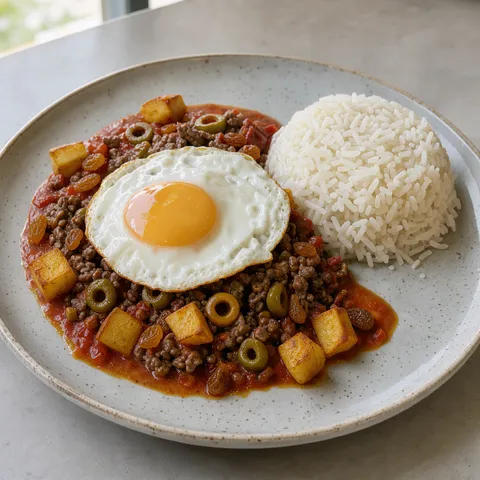 Cuban Beef Mince with Olives55 min · Main course
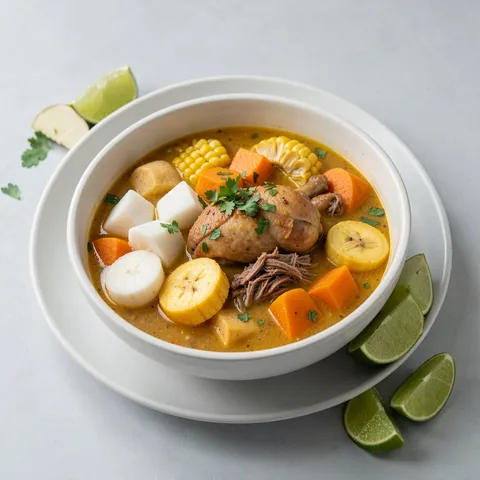 Cuban Root Vegetable Stew2 hr 15 min · Main course
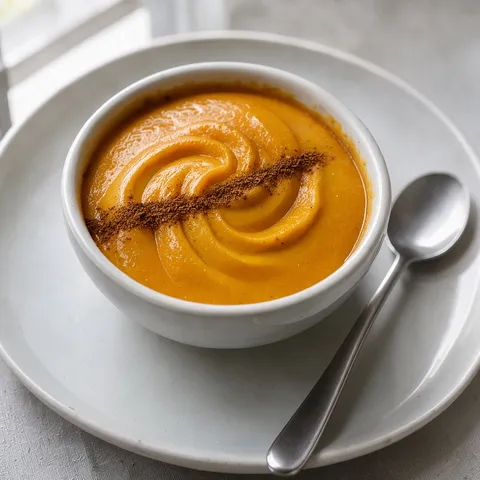 Cuban Sweet Potato Pudding1 hr · Dessert
 Ajiaco Criollo 2.01 hr 30 min · Soup
 Cuban Shredded Beef Stew2 hr 50 min · Main course
 Cuban Black Beans and Rice1 hr 45 min · Side dish
 Ropa Vieja 2.01 hr 30 min · Main course