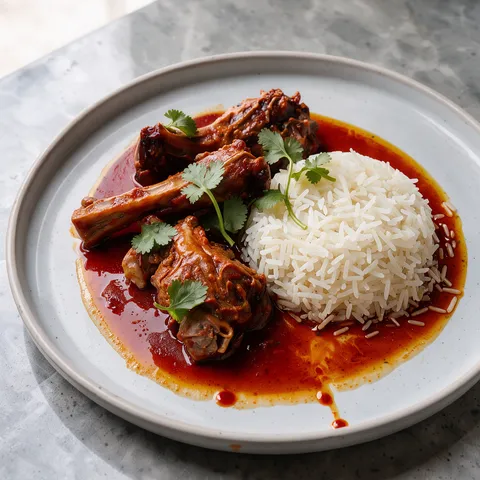
Kashmiri Lamb Stew with Red Chillies Rogan Josh
An Indian main course. Takes 2 hr 15 min (pressure cooker: ~1 hr 40 min), Serves 4. Difficulty: challenging.
At a glance
- Total time
- 2 hr 15 min (pressure cooker: ~1 hr 40 min)
- Serves
- Serves 4
- Difficulty
- Challenging
- Cuisine
- Indian cuisine
- Dish type
- Main course
- Diet
- Gluten-free
- Allergens
- Milk, Mustard, Sulphites
Ingredients
Meat
- 1 kg lamb shoulder or leg on the bone (5 cm pieces)
- 1 tsp salt
Fat and whole spices
- 80 ml mustard oil (or 5 tbsp ghee)
- 4 green cardamom pods
- 2 black cardamom pods (optional)
- 6 cloves
- 1 piece of cinnamon (5 cm)
- 2 bay leaves
- 1/4 tsp asafoetida (hing, loosened in 1 tbsp water)
Sauce
- 4 tbsp Kashmiri chilli powder (mild heat, deep colour)
- 300 g whole-milk yoghurt (at room temperature)
- 2 tsp fennel seeds (toasted and ground)
- 1 tsp ground dried ginger
- 1/2 tsp Garam Masala (Basics)
- 450 ml hot water
- salt
To serve
- 300 g basmati rice (as plain pilaf, with 450 ml water and 1 tsp salt)
- a few coriander sprigs (optional)
Equipment
- Heavy-based saucepan
- Mixing bowls
- Balloon whisk
- Wooden spoon / spatula
- Saucepan
- Pressure cooker (optional)
Method
- Prepare the meat: Pat the meat thoroughly dry with kitchen paper, rub with salt and leave at room temperature for 20 min. Dry, room-temperature meat browns when it goes into the pan instead of releasing all its juices at once and stewing. Meanwhile whisk the yoghurt in a bowl until smooth and leave it on the worktop: cold yoghurt straight from the fridge splits when it hits a hot pan
- Make the chilli paste: Mix the Kashmiri chilli with 4 tbsp lukewarm water to a thick paste. Dry chilli powder added to hot fat burns within seconds and makes the sauce bitter, while a wet paste releases its colour into the fat without burning
- Heat the mustard oil: Heat the mustard oil in a heavy-based saucepan over high heat for about 2 min, until the first wisp of smoke appears, then turn off the heat and let it cool for 1 min. This takes away the raw, nose-stinging sharpness of the oil and leaves the rounded, slightly pungent flavour of Kashmiri cooking. If using ghee, just heat it over medium heat
- Bloom the spices: Turn the heat to medium, add the green and black cardamom, cloves, cinnamon and bay leaves and stir for 30 sec until fragrant. Add the asafoetida water and stir for 10 sec: hing gives a deep aroma that stands in for onion and garlic
- Brown: Arrange the meat in the pan in a single layer, raise the heat and brown for 12-15 min, turning now and then. First the meat releases liquid, then this evaporates and the pieces turn light brown on every side, with a brown layer forming on the base of the pan. This browning, called bhunao in Indian cooking, gives the stew its depth: do not rush it
- Add the chilli: Lower the heat, add the chilli paste and stir for 2 min to coat the meat. The fat turns deep red. If it starts to catch, add 1-2 tbsp water and scrape the base with a wooden spoon
- Add the yoghurt: Take the pan off the heat and wait 1 min. Add the yoghurt a spoonful at a time in 3-4 batches, stirring constantly after each addition. Return the pan to low heat and cook, stirring, for 5 min, until the yoghurt clings to the meat and the fat starts to separate at the edges. Adding it off the heat stops the yoghurt turning grainy
- Fennel and ginger: Sprinkle in the ground fennel and dried ginger and stir for 1 min. Add the hot water and 1/2 tsp salt and bring to the boil. These two spices are the signature of Kashmiri Pandit cooking: instead of onion and garlic, they build a sweet, warm aroma
- Slow-cook: Cover and cook over the lowest heat for 1 hr 15 min, stirring every 20 min, and add a few spoonfuls of hot water if the sauce reduces too much. It is done when the meat comes away easily from the bone when pressed with a fork. In a pressure cooker this step takes 25 min once it reaches pressure: let the pressure release naturally. Cook the rice separately during this time: bring the rinsed rice to the boil in the salted water, cook over low heat for 12 min, then turn off the heat and leave to steam for 10 min
- Let the fat rise: Remove the lid, add the garam masala and boil over medium heat for 5-8 min, until the sauce is thick enough to coat the meat and a glossy red layer of fat collects on the surface. The rogan in the dish's name is this red fat: do not serve before it separates. Check the seasoning
- Plate: Transfer the meat and sauce to a shallow, warm bowl and spoon the red fat from the surface over the meat. Add the plain basmati rice alongside as a dome, with a few coriander leaves if you like. Serve hot
Chef's note
Kashmir has two rogan joshes: this version from Pandit (Hindu) cooking uses no onion or garlic and relies on yoghurt, fennel and dried ginger. The version from the Muslim Wazwan feast adds shallots, and cockscomb flowers (maval) for colour. The colour comes from Kashmiri chillies, not food colouring: if you cannot find them, mix 3 tbsp sweet paprika with 1 tbsp hot chilli powder. Mustard oil and asafoetida are available in Indian shops.
Frequently asked questions
- How do I stop the yoghurt splitting in rogan josh?
- The yoghurt should be at room temperature. Take the pot off the heat and add the yoghurt a spoonful at a time in 3-4 goes, stirring after each addition.
- Why is the Kashmiri chilli made into a paste?
- Chilli powder added dry to hot oil burns and makes the sauce bitter. Mixing it into a paste with water lets it release its colour into the oil without burning.
- What is the rogan in rogan josh?
- Rogan is the bright red oil that rises to the surface. Don't serve the dish until the oil has separated.
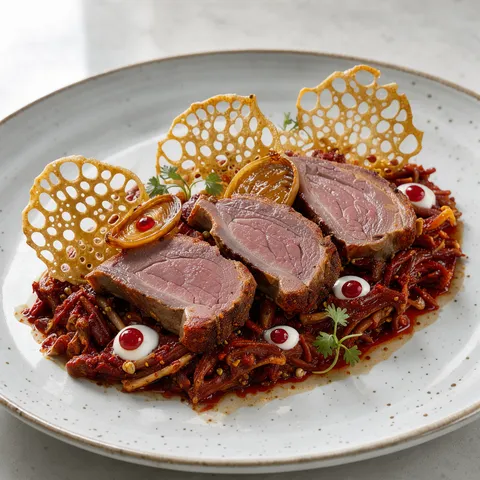 Rogan Josh 2.01 hr 30 min · Main course
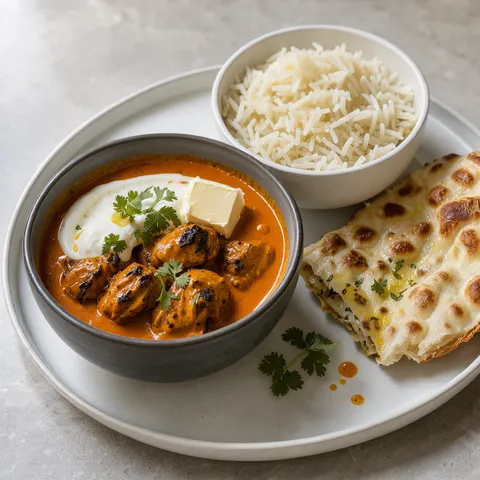 Indian Butter Chicken50 min · Main course
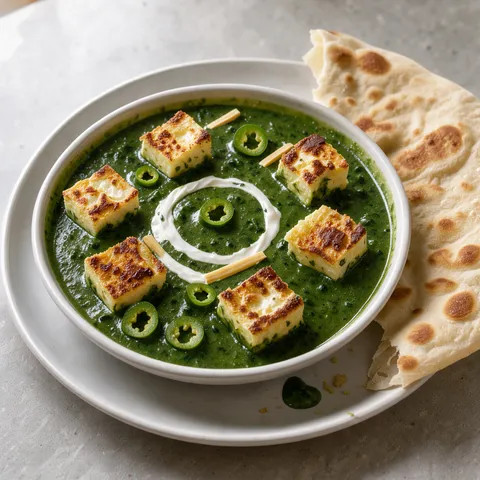 Spinach with Homemade Paneer45 min · Main course
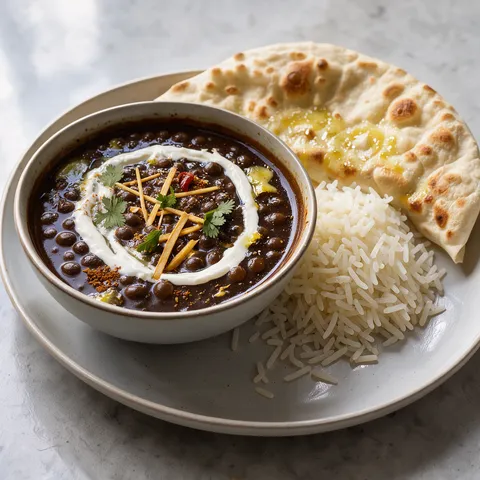 Black Lentil and Kidney Bean Stew1 hr 30 min · Main course
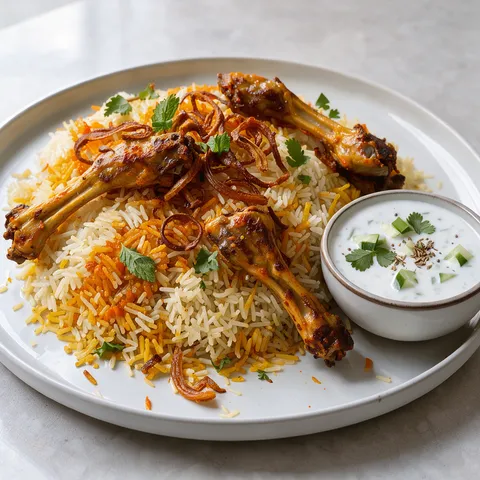 Chicken Dum Biryani1 hr 30 min · Main course
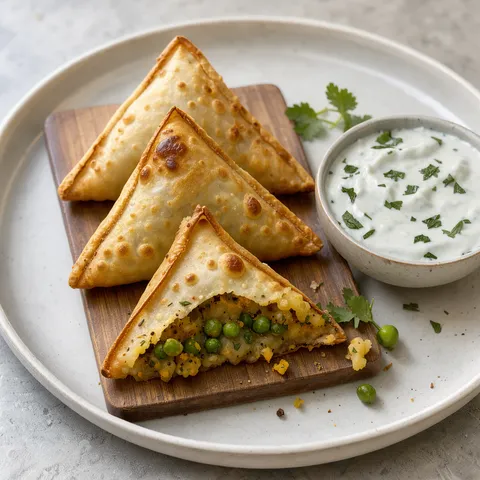 Indian Potato Pastries1 hr 30 min · Bread & pastry
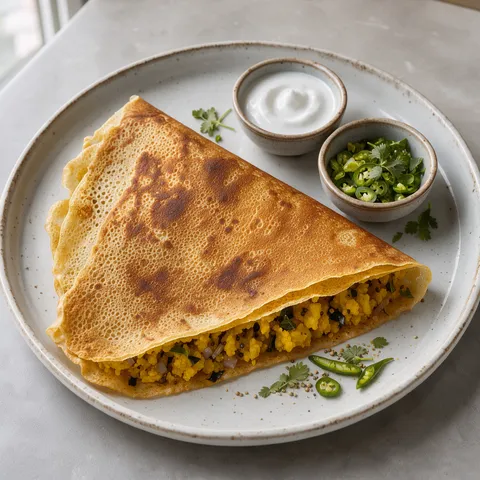 Fermented Rice Crêpes with Spiced Potato50 min · Bread & pastry