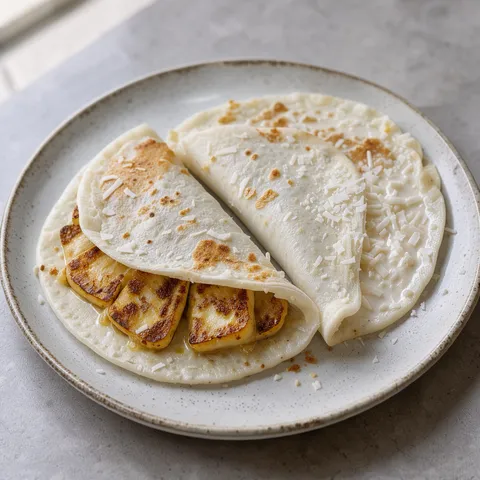
Brazilian Cassava Starch Crêpes Tapioca
A Brazilian bread & pastry. Takes 1 hr, Serves 4. Difficulty: medium.
At a glance
- Total time
- 1 hr
- Serves
- Serves 4
- Difficulty
- Medium
- Cuisine
- Brazilian cuisine
- Dish type
- Bread & pastry
- Allergens
- Gluten, Milk, Eggs, Tree nuts
Ingredients
Goma (makes 8)
- 350 g sweet cassava starch (polvilho doce or tapioca starch)
- about 130-150 ml water
- 1/2 tsp salt
- 40 g unsweetened fresh or desiccated coconut
Cheese filling (makes 4)
- 200 g halloumi in place of queijo coalho (5 mm slices)
- 20 g butter
- 1/2 tsp dried thyme
Sweet filling (makes 4)
- 160 g Condensed Milk (Basics)
- 40 g fresh or desiccated coconut
To serve
- 1 lemon (optional)
Equipment
- Mixing bowls
- Fine sieve / chinois
- Frying pan
- Silicone spatula
- Chef's knife
- Chopping board
Method
- Prepare the goma: Put the starch and salt in a large bowl. Add the water a spoonful at a time, mixing by rubbing with your fingertips. At the right consistency, the starch forms a lump when squeezed in your palm and crumbles again when rubbed with a finger. If too much water goes in, the mixture becomes a thick paste, and then you should add another spoonful of starch. Cover the bowl and leave for 15 min so the starch absorbs the water evenly
- Sift: Press the damp starch through a fine sieve with the back of a spoon, to get a lump-free, fine, damp flour. Fold in the coconut. Goma that is not sifted does not bind evenly in the pan, and the crêpe has holes and raw patches
- Fry the cheese: During the resting, heat a non-stick pan over medium-high heat and fry the halloumi slices without oil for 1.5-2 min on each side, until golden patches form. Set aside. Wipe the pan with kitchen paper
- Adjust the heat: Heat the pan over medium heat for 2 min without oil. If a few grains of goma stick together within 2-3 sec when sprinkled in, the heat is right. In a pan that is too hot the underside browns and the crêpe turns brittle, and in a cold pan it does not bind at all
- Cook the first crêpe: Sprinkle about 6 tbsp (60-65 g) goma evenly into the pan through a fine sieve or with a spoon and smooth it with the back of a spoon into an 18-20 cm circle. Within 1-1.5 min the starch turns translucent and becomes a single sheet, and the edges lift from the pan. Turn with a spatula and cook the other side for 30 sec. It should stay white and not brown
- Cheese tapioca: Put two slices of fried halloumi on half of the crêpe, add a piece of butter and sprinkle over the thyme. Fold the other half over, and leave in the pan for 30 sec so the butter melts. Repeat for 4 crêpes
- Sweet tapioca: Cook the remaining 4 crêpes in the same way. Spread 40 g condensed milk on half of the crêpe, sprinkle 10 g coconut on top, fold and leave in the pan for 20 sec. The condensed milk warms and loosens
- Keep warm: Keep the cooked crêpes on a plate covered with a clean tea towel, for no more than 10 min, as the starch hardens as it cools
- Plate: Put one cheese and one sweet tapioca on each plate in half-moons, one on top of the other with the cut edges facing out. Serve hot, the cheese one with lemon if you like, and the sweet one with a few pinches of coconut sprinkled on top
Chef's note
Tapioca is a breakfast and street food in northeast Brazil and the Amazon basin, based on the beiju that indigenous peoples make from cassava starch. In Brazil goma (moistened starch) is also sold ready-packed, while here it is made from the starch at home. Queijo coalho is a squeaky cheese that does not melt when fried, and its closest equivalent is halloumi. For the condensed milk, use the recipe in the Basics section.
Frequently asked questions
- Why is the tapioca goma sieved?
- Unsieved goma does not fuse evenly in the pan. The crêpe ends up with holes and raw patches, so press the damp starch through a fine sieve.
- How hot should the tapioca pan be?
- Heat the pan dry over a medium heat. If a few grains of goma stick together within 2-3 seconds when sprinkled in, the heat is right.
- Should tapioca crêpes brown?
- No, they should stay white. In a pan that is too hot the underside browns and the crêpe turns brittle.
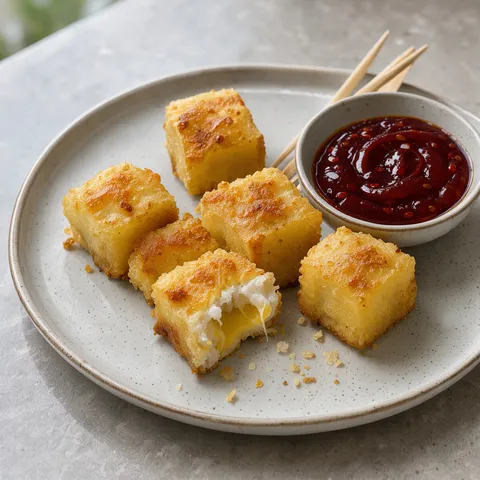 Brazilian Fried Tapioca Cheese Cubes1 hr 5 min · Meze
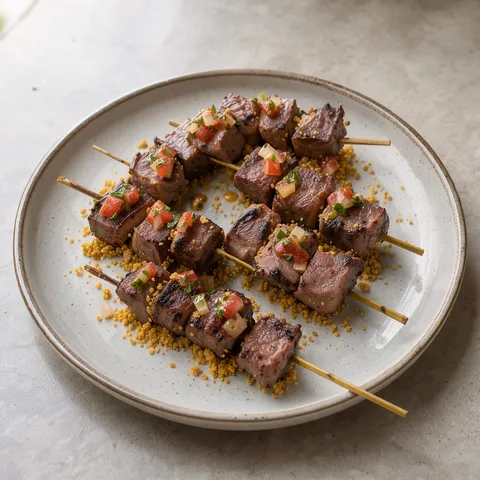 Brazilian Street Picanha Skewers1 hr 2 min · Meze
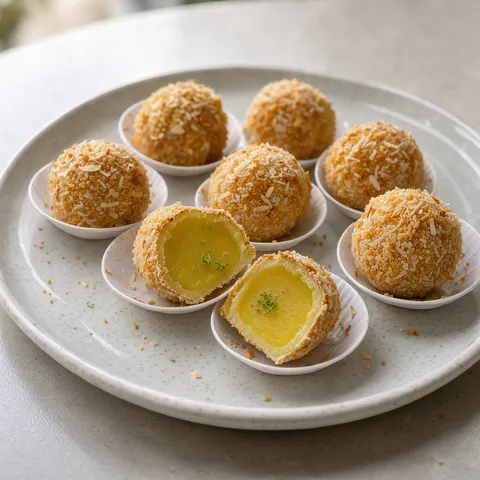 Brazilian Coconut Condensed Milk Balls1 hr 19 min · Meze
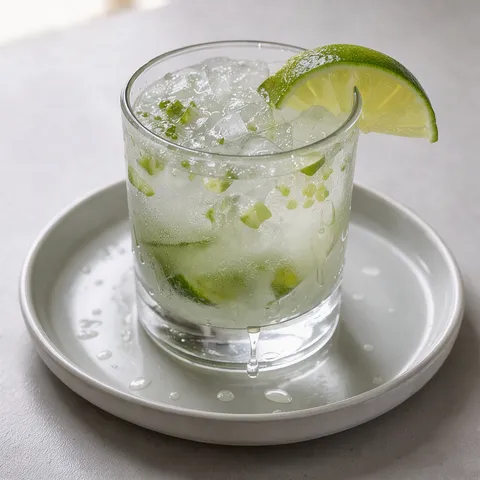 Brazilian Cachaça and Lime Cocktail12 min · Drink
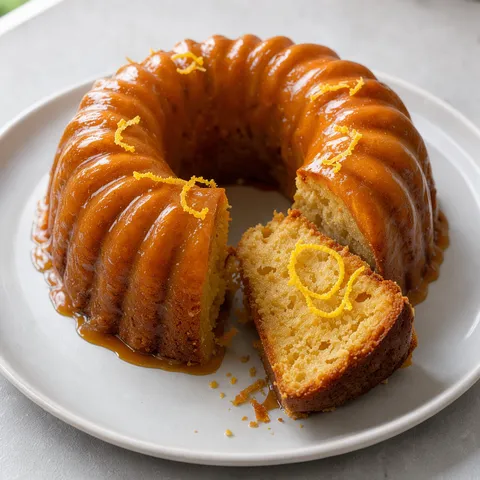 Bolo de Laranja1 hr 10 min · Patisserie
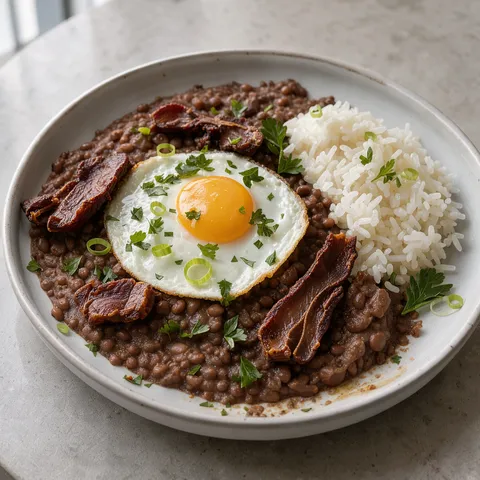 Tutu de Feijão1 hr 5 min · Main course