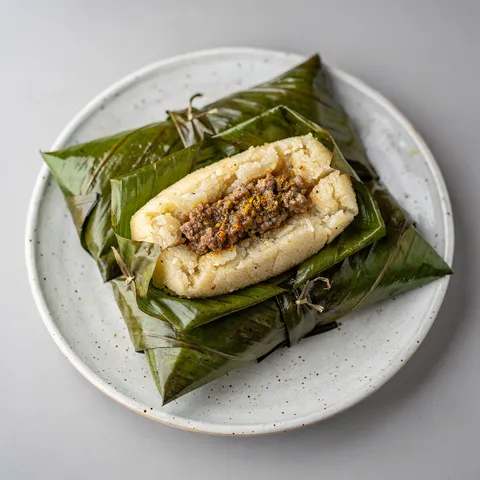
Vanuatu Steamed Root Vegetable Parcels Tuluk
A Vanuatu main course. Takes 1 hr 30 min, Serves 4. Difficulty: medium.
At a glance
- Total time
- 1 hr 30 min
- Serves
- Serves 4
- Difficulty
- Medium
- Cuisine
- Vanuatu cuisine
- Dish type
- Main course
- Allergens
- Gluten, Milk, Tree nuts
Ingredients
Dough
- 900 g floury potatoes (in place of cassava)
- 100 g tapioca starch
- 3/4 tsp salt
Filling
- 300 g beef mince (medium-fat)
- 1 small onion
- 2 garlic cloves
- 2 spring onions
- 180 ml coconut milk
- 1/2 tsp salt
- 1/4 tsp black pepper
Wrapping
- 8 sheets baking paper (25×25 cm)
- 8 pieces foil (25×25 cm)
Steam
- 2 litres water
Equipment
- Chopping board
- Chef's knife
- Frying pan
- Wooden spoon / spatula
- Mixing bowls
- Vegetable peeler
- Box grater
- Muslin
- Steamer basket
- Baking paper
- Probe thermometer
Method
- Chop the filling aromatics: Finely chop the onion, garlic and spring onions on a chopping board with a chef's knife. In the tuluk filling, all the flavour comes from this trio cooked in coconut milk
- Cook the filling: In a frying pan, heat the coconut milk over medium-high heat, add the chopped aromatics and cook for 2 min, stirring with a wooden spoon. Add the mince, salt and black pepper, reduce to medium-low and break up the mince with a spoon, cooking for 12 min, until the milk is completely absorbed and the mince sizzles lightly in its own fat. The filling should be dry, as a wet filling softens the dough from the inside. Transfer to a bowl and let cool slightly
- Grate the potato: While the filling cooks, peel the potatoes with a peeler and grate them on the fine side of the grater into a bowl. In Vanuatu, tuluk dough is made from grated cassava, and the fine grater makes the dough smooth
- Squeeze and return the starch: Put the gratings in muslin and squeeze the liquid firmly into a bowl. Leave the liquid for 5 min, set aside the white starch at the bottom and pour off the liquid on top. Return the starch to the gratings, add the tapioca starch and salt and knead by hand for 1 min. The dough should hold together when squeezed in your palm and be wet but not runny
- Prepare the steamer: Put the 2 litres water in the bottom of a steamer and bring to the boil
- Shape: Lay a square of baking paper on a square of foil. Take about 52 g of dough and, with wet hands, shape it into a 10 cm disc with a dip in the middle on the paper. Put 2 tbsp filling in the dip, cover with about 52 g dough as a second disc and join the edges with your fingers, trapping the filling completely. Divide the dough into 8 parcels in this way (about 105 g of dough and 2 tbsp of filling in each parcel)
- Wrap: Fold the paper and foil together over the parcel and twist the ends closed. In Vanuatu, tuluk is wrapped in banana leaf, and here the paper does not stick to the dough and the foil keeps the steam out
- Steam: Arrange the parcels in the steamer basket seam side down, cover and steam over boiling water for 50 min. Check the water level after 30 min and add boiling water if it has gone down. Open one parcel, and the dough should be translucent, firm and spring back when pressed with a finger. The internal temperature of the filling should be at least 71°C on a thermometer
- Rest: Take the parcels out of the basket and rest, unopened, for 5 min, so that the dough firms up and comes cleanly away from the paper
- Serve: Unwrap the foil and paper and put two tuluk on each plate. Eat warm, with the leftover coconut milk from the pan or a chilli sauce alongside
Chef's note
Tuluk is a parcel dish in Vanuatu in which meat is placed in the middle of grated cassava dough and steamed in banana leaf or cooked in an earth oven. It differs from Laplap (Vanuatu Grated Root Vegetable Pudding) in having a mince filling in the middle and being steamed. The original recipe uses pork; here it is made with beef mince. Potato and tapioca starch replaced cassava, and baking paper and foil replaced banana leaf. Sources differ on the starch of the dough, and in some villages taro or yam is also used.
Frequently asked questions
- Why must the tuluk filling be dry?
- A wet filling softens the dough from the inside. So the mince is cooked until the coconut milk is completely absorbed and it sizzles lightly in its own fat.
- What consistency should the tuluk dough have?
- The dough should hold together when squeezed in your palm, wet but not runny. To get there, squeeze the liquid from the grated potato, add the starch back and stir in the tapioca starch.
- How do I know the steamed parcels are cooked?
- When a parcel is opened, the dough should be translucent, firm and spring back when pressed with a finger. The core temperature of the filling should be at least 71°C.
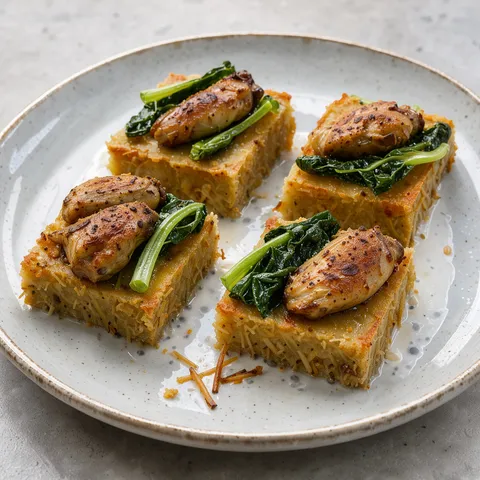 Vanuatu Grated Root Vegetable Pudding1 hr 55 min · Main course
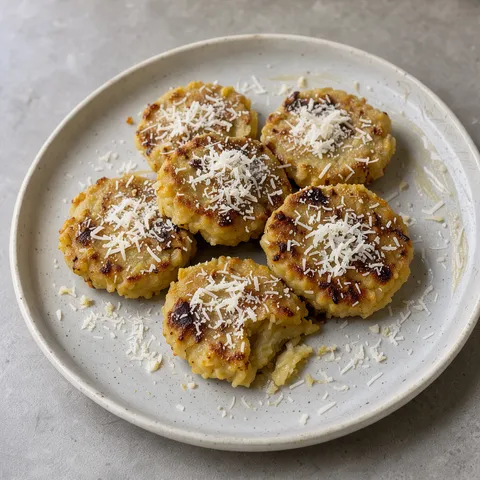 Pounded Charred Banana and Potato50 min · Meze
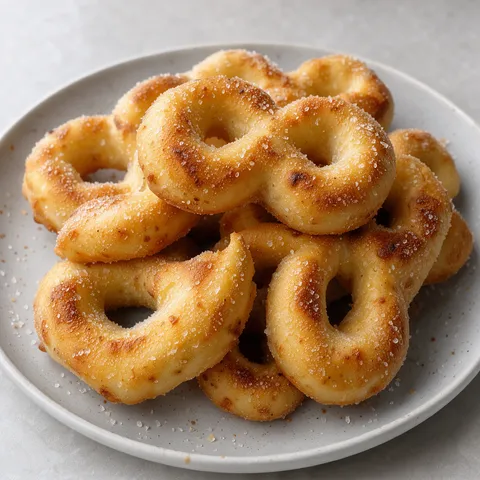 Fried Yeasted Figure-Eight Doughnuts1 hr · Bread & pastry
 Vanuatu Beef Curry2 hr · Main course
 Vanuatu Beef Curry 2.01 hr 15 min · Main course
 Gâteau Huit 2.01 hr 20 min · Dessert