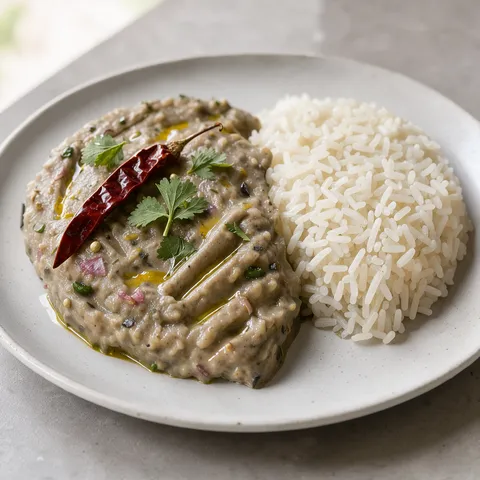
Charred Aubergine Mash with Mustard Oil Begun Bhorta
A Bangladeshi meze. Takes 35 min, Serves 4. Difficulty: easy.
At a glance
- Total time
- 35 min
- Serves
- Serves 4
- Difficulty
- Easy
- Cuisine
- Bangladeshi cuisine
- Dish type
- Meze
- Diet
- Vegetarian, Gluten-free
- Allergens
- Mustard, Sulphites
Ingredients
Aubergines
- 2 large round aubergines (about 900 g in total)
- 1 tsp mustard oil (for brushing)
Mash
- 1 small red onion (about 80 g)
- 3 green chillies
- 1/2 bunch coriander
- 2 garlic cloves (optional)
- 3 tbsp mustard oil
- 1 tsp salt
- 1 tsp lemon juice
Fried chillies
- 3 dried red chillies
- 1 tsp mustard oil
To serve
- 4 plates of plain cooked rice or dal
Equipment
- Mixing bowls
- Colander
- Frying pan
- Chef's knife
- Chopping board
- Charcoal barbecue (optional)
Method
- Prepare the aubergines: Wash and dry the aubergines and brush the skins with a thin coat of mustard oil. Make 3-4 shallow slits with the tip of a knife: if you like, push the garlic cloves into the slits. The oil helps the skin blacken evenly over the flame, and the slits stop the aubergine from bursting
- Char: Place the aubergines directly on a gas flame or over barbecue embers. Char for 12-15 min, turning with tongs, until blackened on every side and completely soft, including the stalk end. If the aubergine collapses under its own weight and droops from the tongs, it is cooked through. The oven grill also works, but you lose some of the smoky aroma
- Sweat: Put the charred aubergines in a lidded container and leave, covered, for 10 min. The skin sweats in its own steam and comes away from the flesh easily
- Prepare the onion and chillies: Meanwhile, chop the onion very finely, slice the green chillies into thin rings and chop the coriander, stalks and all. In the Bangladeshi way the onion and chillies are first rubbed with salt by hand, so they release their juices into the mash and lose their raw sharpness
- Fry the chillies: Fry the dried red chillies in 1 tsp mustard oil in a small frying pan over medium heat for 30-40 sec, until darkened and crisp. Crumbled into the mash, the crisp chillies give the bhorta a smoky heat
- Peel: Peel the aubergines, dipping your fingertips in water to clean off any blackened bits of skin. Remove the stalk and the parts with large seeds. Drain the flesh in a colander for 3-4 min: too much liquid makes the bhorta watery
- Mash and mix: Put the aubergine flesh in a bowl and mash with your hand or a fork, leaving a rough, fibrous texture. Add the salted onion and chillies, the coriander and the fried dried chillies, crumbling them in with your fingers. Add 3 tbsp raw mustard oil and the lemon juice and work everything together thoroughly by hand. The sharp, nose-tingling smell of raw mustard oil is what makes bhorta, so do not cook it. Season to taste
- Plate: Squeeze the bhorta in your palm into an egg-shaped ball and place it at the edge of the plate, next to the plain rice. Top with a dried chilli and a few coriander leaves and drizzle a few drops of mustard oil beside it. Serve at room temperature: it is mixed with the rice by hand and eaten
Chef's note
Bhorta is the mash family of the everyday Bangladeshi table: it is also made from potatoes, dried fish, tomatoes and beans, and several arrive at the same meal. Round, thick-skinned aubergines give fewer seeds and more flesh. Mustard oil is traditionally bought ready-made. In Türkiye, use mustard oil labelled for cooking; if unavailable, use sunflower oil plus 1/2 tsp mustard powder.
Frequently asked questions
- Can I char the aubergine without a gas hob?
- You can use an oven grill, but the smoky flavour is weaker. For the real flavour, char it over a direct flame or over barbecue coals.
- Why is the charred aubergine left in a covered container?
- The skin sweats in its own steam and comes away from the flesh easily. Leave the container covered for about 10 minutes.
- Why is the bhorta left to drain?
- The aubergine flesh is left to drain in a colander, because excess water would make the bhorta watery. It is then mashed by hand with the other ingredients.
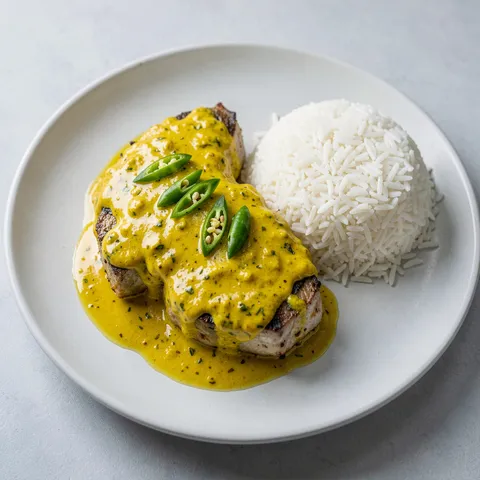 Bengali Hilsa in Mustard Sauce50 min · Main course
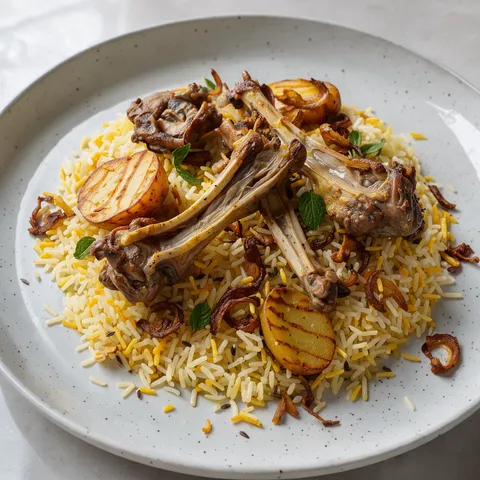 Dhaka-Style Biryani with Raw Marinated Lamb2 hr 15 min · Main course
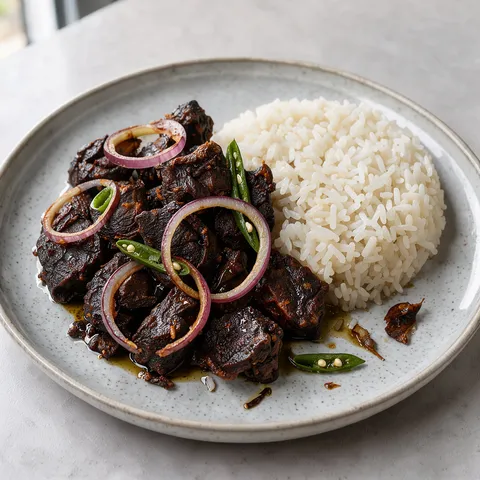 Chittagong-Style Dark-Fried Beef2 hr 30 min · Main course
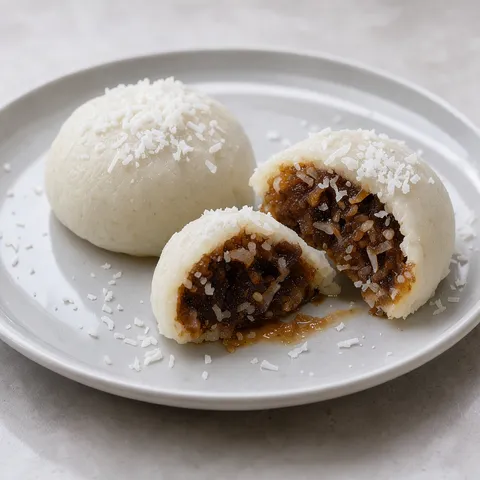 Steamed Rice Cakes with Date Palm Jaggery1 hr 5 min · Dessert
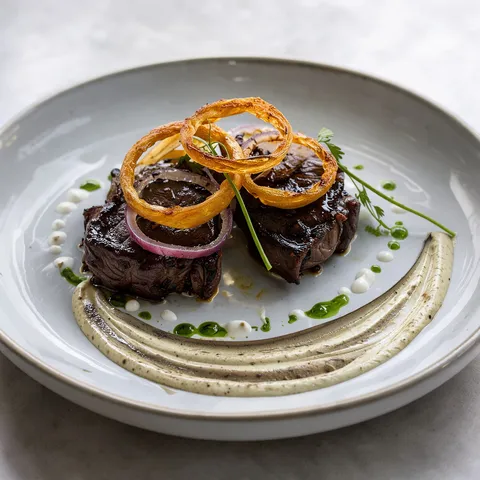 Kala Bhuna 2.01 hr 30 min · Main course
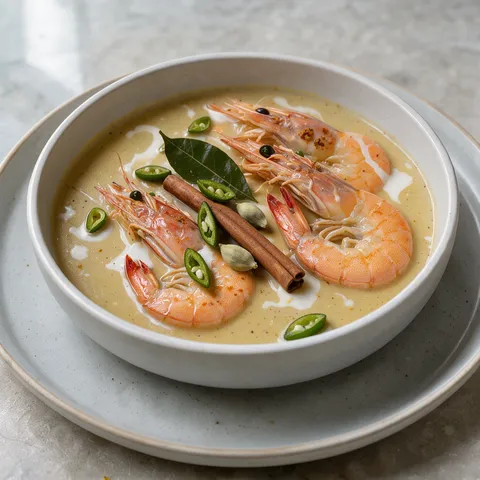 Bengali Prawn Curry with Coconut Milk45 min · Main course